
Every named figure.
Lifespans, relatives, and scripture references. Every claim is traceable; tradition tags surface where readings differ.
249 of 2,781 curated matching the active filters.

Son of Midian (Genesis 25:4; 1 Chronicles 1:33).
Son of Hammolecheth (1 Chronicles 7:18). Eponym of Abiezrite clan; ancestor of Gideon (Judges 6:11).
Son of Becher (1 Chronicles 7:8). Distinct from Abijah son of Rehoboam.
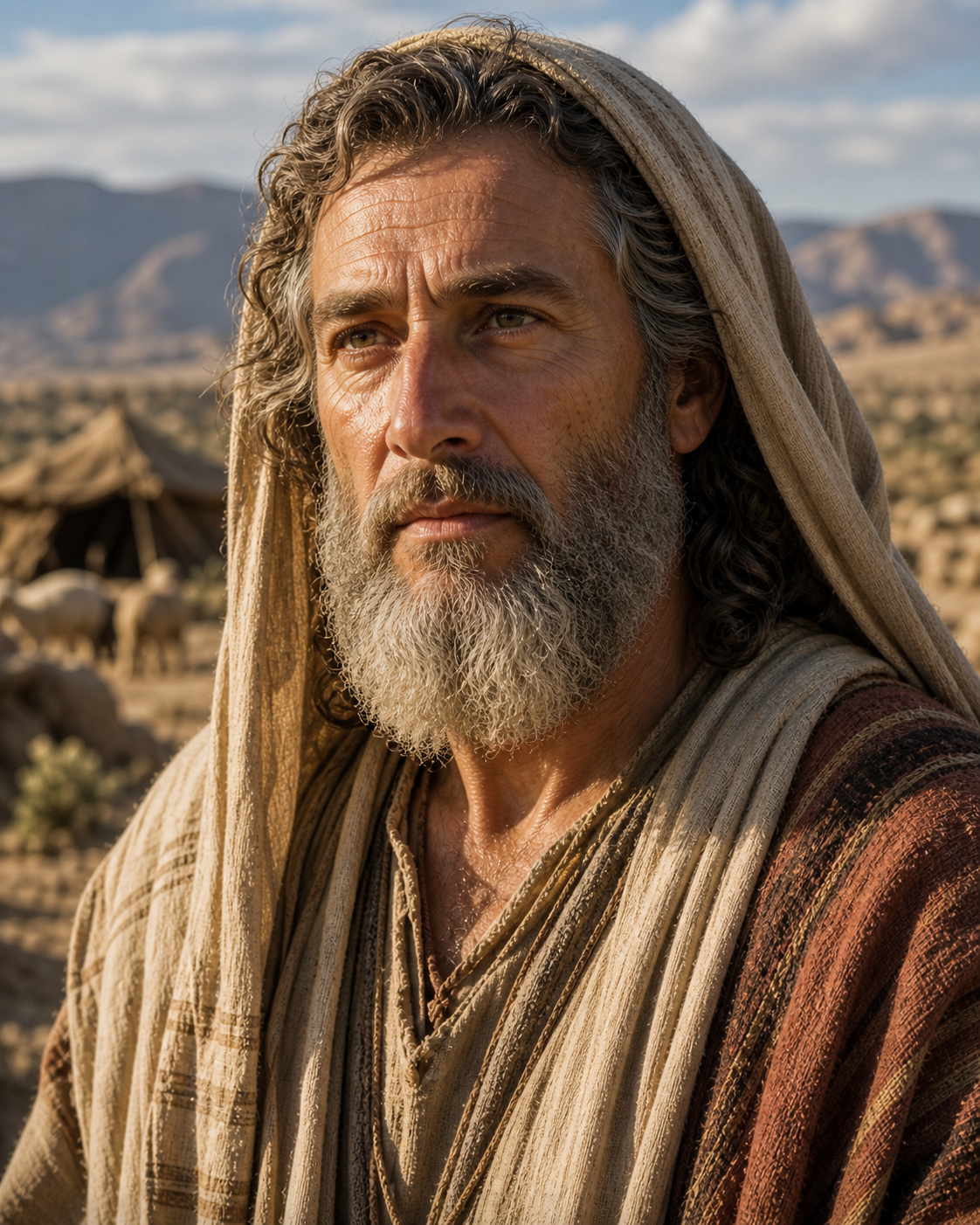
Abram · Father of a multitude
Originally Abram of Ur; called by Yahweh to leave his homeland and become a great nation. Renamed Abraham ('father of a multitude') at the institution of circumcision. Father of Ishmael by Hagar and of Isaac by Sarah, through whom the covenant line continued.
Father of Baal-hanan seventh king of Edom. Distinct from Achbor son of Micaiah, courtier of Josiah (2 Kings 22:12).

Basemath (Genesis 26:34)
Hittite wife of Esau, daughter of Elon. Genesis 26:34 names her Basemath; Genesis 36:2 names her Adah. Mother of Eliphaz. Distinct from the Cainite Adah, wife of Lamech.
Son of Ishmael.
Oholibamah · Judith (Genesis 26:34)
Hivite wife of Esau, daughter of Anah, granddaughter of Zibeon. Genesis 26:34 calls her Judith daughter of Beeri the Hittite. Mother of Jeush, Jaalam, and Korah.
Chief descended from Esau (Genesis 36:41). Distinct from Aholibamah wife of Esau; likely a clan or place named after her.
Friend of Abimelech king of the Philistines (or of Gerar), who came with him and Phicol the commander of his army to make a covenant with Isaac at Beersheba (Genesis 26:26).
Ajah
Son of Zibeon and brother of Anah; uncle of Oholibamah. Distinct from Aiah father of Rizpah Saul's concubine (2 Samuel 3:7).
Jaakan (1 Chronicles 1:42)
Son of Ezer son of Seir; eponym of Bene-jaakan (Numbers 33:31; Deuteronomy 10:6).
Son of Becher (1 Chronicles 7:8). Distinct from Alemeth descendant of Saul (1 Chronicles 8:36).
Aliah (1 Chronicles 1:51)
Chief descended from Esau (Genesis 36:40, 1 Chronicles 1:51). Likely associated with Alvan the Horite.
Alian (1 Chronicles 1:40)
Son of Shobal son of Seir.
Son of Eliphaz by his concubine Timna; eponymous ancestor of the Amalekites, perpetual enemies of Israel from the wilderness onward (Exodus 17, Numbers 24, 1 Samuel 15).
Fourth son of Seir the Horite; chief of the Anahites. Some interpreters identify him with Anah son of Zibeon, but Genesis 36:20 and 36:24 distinguish them.
Son of Zibeon, father of Oholibamah wife of Esau. Found 'the hot springs in the wilderness' while pasturing his father's donkeys (Genesis 36:24). Genesis 36:25 calls Oholibamah daughter of Anah; Genesis 36:2 also calls her granddaughter of Zibeon, making this Anah Zibeon's son.
Son of Becher (1 Chronicles 7:8). Eponym of the Levitical priestly city Anathoth in Benjamin (cf. Joshua 21:18).
Son of Shemida (1 Chronicles 7:19).
Son of Jether of Asher (1 Chronicles 7:38).
Son of Ulla, Asherite chief (1 Chronicles 7:39). Distinct from Arah the returnee clan head (Ezra 2:5).
Grandson of Nahor through Kemuel. Distinct from Aram son of Shem.
Son of Dishan son of Seir.
Arod (Numbers 26:17)
Sixth son of Gad in Genesis 46:16; called Arod in Numbers 26:17.
Egyptian wife of Joseph, given to him by Pharaoh; daughter of Potiphera priest of On (Heliopolis). Mother of Manasseh and Ephraim.
Son of Jacob by Zilpah; founder of the tribe of Asher. The name means 'happy'.
Descendant of Dedan son of Jokshan (Genesis 25:3); represents an Arabian tribe rather than necessarily a single individual. Distinct from Asshur son of Shem.
Seventh king of Edom.
Buzite of the family of Ram, father of Elihu, the fourth speaker in the dialogues of Job (Job 32:2, 6).
Mahalath (Genesis 28:9)
Daughter of Ishmael, sister of Nebaioth; third wife of Esau. Genesis 28:9 calls her Mahalath; Genesis 36:3 calls her Basemath. Mother of Reuel.
Father of Hadad fourth king of Edom who defeated Midian in the field of Moab.
Son of Ulam son of Sheresh (1 Chronicles 7:17). Possibly the same Bedan named in 1 Samuel 12:11 as a deliverer of Israel.
Hittite chief of Canaan; father of Judith one of Esau's wives. Distinct from Beeri father of the prophet Hosea.
First king of Edom 'before any king reigned over the children of Israel'; reigned from the city of Dinhabah. Distinct from Balaam son of Beor the Mesopotamian seer (though the patronymic coincides).
Son of my people
Son of Lot by his younger daughter, conceived in incest after the destruction of Sodom; eponymous ancestor of the Ammonite people.
Ben-oni
Twelfth and youngest son of Jacob, second-born of Rachel who died bearing him near Bethlehem. Originally named Ben-oni ('son of my sorrow') by Rachel, renamed Benjamin ('son of the right hand') by Jacob. Founder of the tribe of Benjamin (later including Saul and Paul).
Father of Bela the first king of Edom. Often distinguished from Beor father of Balaam, though Jewish tradition sometimes equates them.
Son of Shuthelah son of Ephraim (1 Chronicles 7:20).
Son of Nahor (Abraham's brother) and Milcah; father of Rebekah and Laban. An Aramean dwelling in Paddan-Aram.
Second of Job's three friends; from Shuah, traditionally a son of Abraham by Keturah. Pressed retributive theology against Job.
Rachel's handmaid; given to Jacob as a secondary wife to bear children for Rachel. Mother of Dan and Naphtali.
Son of Ezer son of Seir. Distinct from Bilhan of Benjamin (1 Chronicles 7:10).
Son of Jediael; father of seven Benjamite chiefs (1 Chronicles 7:10). Distinct from Bilhan the Horite.
Son of Malchiel of Asher (1 Chronicles 7:31).
Reubenite after whom 'the Stone of Bohan son of Reuben' was named, a fixed boundary marker between the territories of Judah and Benjamin (Joshua 15:6; 18:17).
Second son of Nahor and Milcah; brother of Uz; ancestor of the Buzites (cf. Elihu the Buzite in Job 32:2).
Fourth son of Reuben (Genesis 46:9; Exodus 6:14; Numbers 26:6; 1 Chronicles 5:3). Distinct from Carmi son of Zabdi the father of Achan.
Son of Dishon son of Anah.
Son of Nahor and Milcah; eponymous ancestor of the Chasdim (Chaldeans) in some traditions.
Pharaoh's chief baker imprisoned with Joseph; his dream of three baskets was interpreted by Joseph; hanged on the third day as predicted.
Pharaoh's chief cupbearer imprisoned with Joseph; his dream of three branches and grapes was interpreted by Joseph; restored to office but forgot Joseph two years.
Son of Jacob by Bilhah, Rachel's handmaid; founder of the tribe of Dan. The name means 'he has judged'.
Bath-shua
Canaanite wife of Judah; mother of his three sons Er, Onan, and Shelah. Called Bath-shua ('daughter of Shua') in 1 Chronicles 2:3 — a designation rather than a personal name.
Son of Jokshan, grandson of Abraham by Keturah (Genesis 25:3; 1 Chronicles 1:32). Distinct from Dedan son of Raamah of the Hamite line.
Daughter of Jacob and Leah; defiled by Shechem son of Hamor, prompting the violent retaliation of her brothers Simeon and Levi.
Seventh son of Seir; chief of the Dishanites.
Fifth son of Seir; chief of the Dishonites.
Son of Ishmael; gave his name to a place in Arabia mentioned in Isaiah 21:11.
Son of Shobal son of Seir. Distinct from Mount Ebal in Samaria.
Son of Tahath of Ephraim (1 Chronicles 7:20).
Chief descended from Esau (Genesis 36:41). Distinct from Elah son of Caleb, Elah king of Israel, Elah father of Hoshea, and Elah father of Shimei.
Son of Midian (Genesis 25:4; 1 Chronicles 1:33).
Son of Becher (1 Chronicles 7:8). Distinct from many other Eliezers.
Young man of the family of Ram who broke into the dialogue after the three friends fell silent; argued from a more moral angle that suffering disciplines and instructs. Not included in Yahweh's rebuke at the end.
Son of Becher (1 Chronicles 7:8).
Son of Esau by Adah; chief progenitor of the Edomite clans through five named sons plus Amalek by his concubine Timna. Distinct from Eliphaz the Temanite of the book of Job (though that figure is traditionally connected to this line).
Eldest of Job's three friends; from Teman in Edom. Argued from the principle that the righteous never perish. Yahweh rebuked the three friends and required Job to pray for them. Distinct from Eliphaz son of Esau, though traditionally connected as descendant.
Hittite chief of Canaan; father of Adah/Basemath, one of Esau's wives. Distinct from Elon the judge (Judges 12:11) and Elon son of Zebulun (Genesis 46:14).
Firstborn of Midian son of Abraham by Keturah (Genesis 25:4; 1 Chronicles 1:33; Isaiah 60:6). Distinct from Ephah concubine of Caleb and Ephah son of Jahdai.
Son of Midian (Genesis 25:4; 1 Chronicles 1:33). Distinct from Epher son of Ezrah of Judah (1 Chronicles 4:17) and Epher chief of half-Manasseh (1 Chronicles 5:24).
Younger son of Joseph and Asenath; received the greater blessing from Jacob, who crossed his hands to favor him over Manasseh. Ancestor of the most numerous and politically dominant of the northern tribes; in prophetic literature, 'Ephraim' often stands for the northern kingdom of Israel.
Firstborn of Judah by the daughter of Shua; husband of Tamar. Killed by Yahweh because he was wicked, before fathering any children.
Edom · Hairy
Firstborn of Isaac and Rebekah, twin of Jacob; a skillful hunter. Sold his birthright to Jacob for a meal of red lentil stew, and lost his blessing to Jacob through Rebekah's stratagem. Settled in Seir; father of the Edomite peoples.
Son of Dishon son of Anah.
Ozni (Numbers 26:16)
Fourth son of Gad in Genesis 46:16; called Ozni in Numbers 26:16. Distinct from Ezbon son of Bela of Benjamin (1 Chronicles 7:7).
Son of Bela son of Benjamin (1 Chronicles 7:7).
Son of Ephraim killed by men of Gath (1 Chronicles 7:21). Distinct from Ezer son of Seir and Ezer the wall builder.
Sixth son of Seir; chief of the Ezerites. Distinct from Ezer in the Ephraimite line (1 Chronicles 7:21) and Ezer of Hur (1 Chronicles 4:4).
Son of Jacob by Zilpah, Leah's handmaid; founder of the tribe of Gad. Settled east of the Jordan.
Son of Nahor by his concubine Reumah.
Son of Eliphaz; an Edomite chief.
Son of Benjamin listed in Genesis 46:21 / 1 Chronicles 8:3. Distinct from Gera father of Ehud (Judges 3:15) and Gera father of Shimei (2 Samuel 16:5), though some traditions equate them. Distinct also from Gera son of Bela (1 Chronicles 8:5,7).
Son of Ishmael. The name appears for several distinct figures in scripture; this is the Ishmaelite Hadad.
Fourth king of Edom; from Avith. Defeated Midian in the field of Moab. Distinct from later Edomite kings of the same name.
Hadad (1 Chr 1:50)
Eighth and last named king of Edom in this list. From Pau (or Pai). His wife was Mehetabel daughter of Matred.
Egyptian handmaid given by Sarah to Abraham as a secondary wife; mother of Ishmael. Driven into the wilderness twice; promised by the Angel of Yahweh that her son would father a great nation.
Sister of Machir; mother of Ishhod, Abiezer, and Mahlah (1 Chronicles 7:18).
Hivite prince of Shechem from whom Jacob bought a parcel of land for one hundred kesitah; father of Shechem who violated Dinah; killed with all the men of his city by Simeon and Levi in retribution (Genesis 33:19; 34:1-31; Joshua 24:32; Judges 9:28).
Son of Ulla, Asherite chief (1 Chronicles 7:39). Distinct from Hanniel son of Ephod the tribal land-divider.
Son of Midian (Genesis 25:4; 1 Chronicles 1:33). Distinct from Hanoch / Enoch son of Cain, Hanoch / Enoch son of Jared, and Hanoch son of Reuben.
Son of Terah and brother of Abraham; father of Lot, Milcah, and Iscah. Died in Ur of the Chaldeans before his father. Not to be confused with the city of Haran where Terah later settled.
Son of Nahor and Milcah.
Homam (1 Chronicles 1:39)
Son of Lotan; brother of Hori.
Hamran (1 Chronicles 1:41) · Amram (some manuscripts)
Son of Dishon son of Anah.
Son of Lotan; brother of Hemam.
Son of Heber of Asher (1 Chronicles 7:32). Distinct from Hotham the Aroerite mighty man.
Third king of Edom; from the land of the Temanites.
Son of Zophah (1 Chronicles 7:36).
Jashub (Numbers 26:24)
Third son of Issachar in Genesis 46:13; called Jashub in Numbers 26:24 / 1 Chronicles 7:1 — likely a textual variant.
Last-named chief descended from Esau (Genesis 36:43).
Son of Zophah of Asher (1 Chronicles 7:36-37). Distinct from Iri son of Bela of Benjamin.
Son of Bela son of Benjamin (1 Chronicles 7:7).
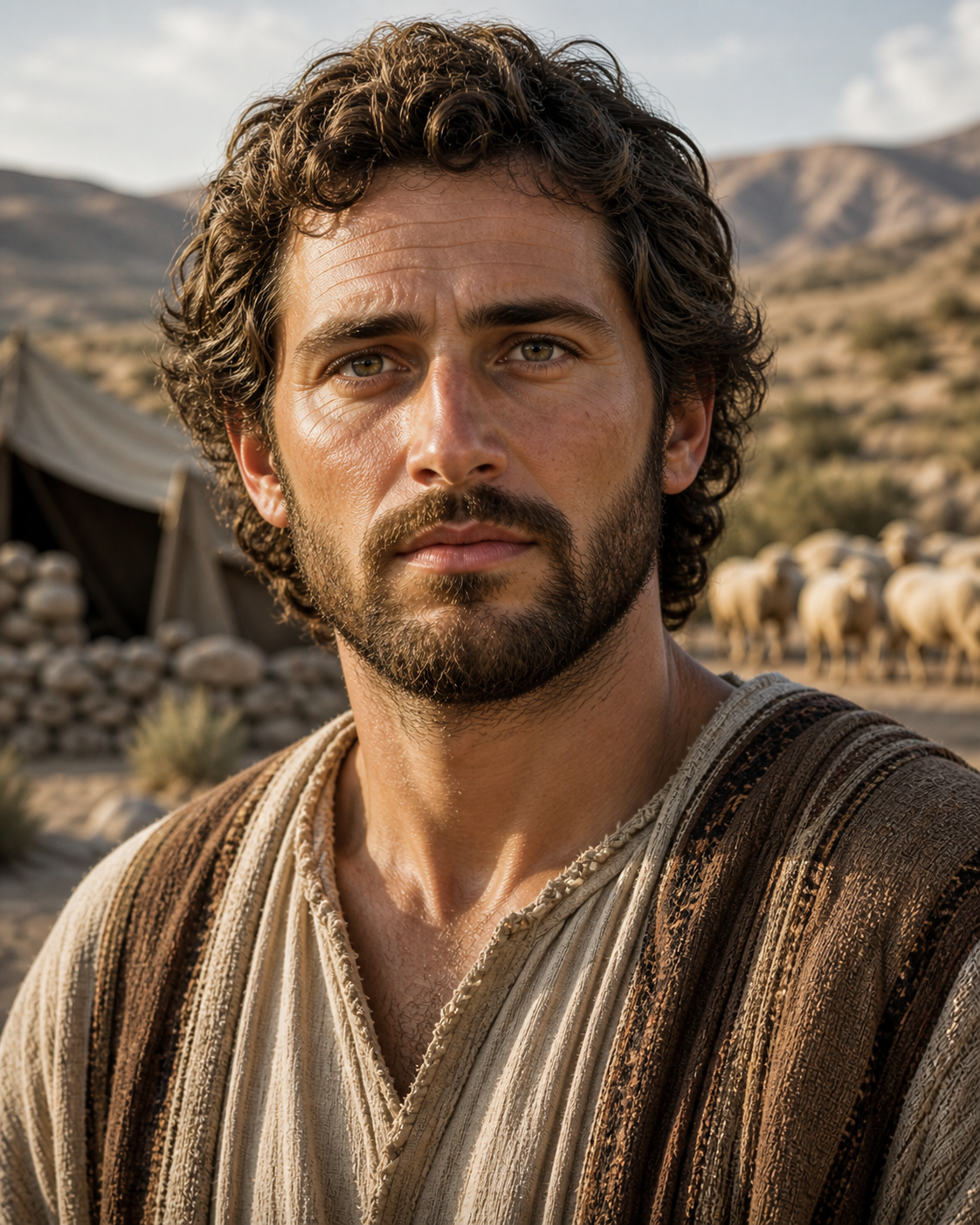
Yitzchak · He laughs
Only son of Abraham and Sarah, born when Abraham was 100 and Sarah 90. The promised son through whom Yahweh's covenant would continue. Bound by his father at Moriah but spared by divine substitute. Father of Esau and Jacob.
Daughter of Haran; mentioned only once. Some Jewish traditions identify her with Sarah, but the biblical text does not state this and Genesis 20:12 specifies Sarah's father as Terah, not Haran.
Son of Abraham by Keturah.
Son of Hammolecheth, sister of Machir (1 Chronicles 7:18).
Yishma'el
Firstborn son of Abraham by Hagar; circumcised at age 13. Father of twelve princes, ancestor of Arab peoples. Buried his father Abraham alongside Isaac.
Son of Jacob and Leah; founder of the tribe of Issachar.
Issacharite chief; son of Izrahiah (1 Chronicles 7:3).
Son of Dishon son of Anah. Distinct from Ithran of Asher (1 Chronicles 7:37).
Son of Uzzi of the Issacharite chief line (1 Chronicles 7:3).
Jalam
Son of Esau by Aholibamah; an Edomite chieftain.
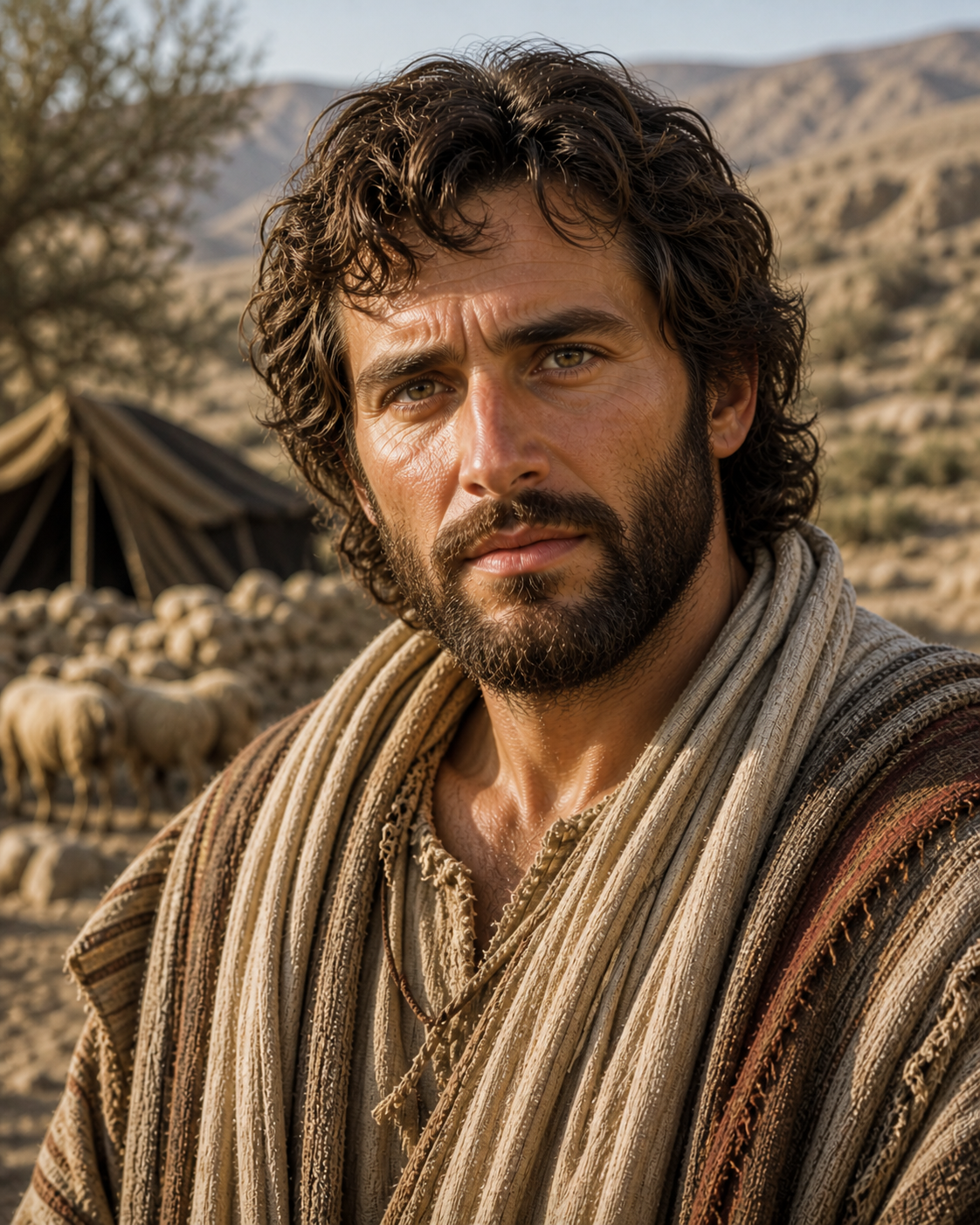
Israel · Yaakov · Heel-grabber
Younger twin of Esau; obtained the birthright and blessing. Fled to Paddan-Aram; served Laban twenty years and married Leah and Rachel (and their handmaids Bilhah and Zilpah). Wrestled with the Angel of Yahweh and was renamed Israel ('he strives with God'). Father of the twelve tribes of Israel.
Son of Heber son of Beriah of Asher (1 Chronicles 7:32-33).
First daughter born to Job after his restoration; her name means 'dove' or 'turtledove'.
Son of Jether of Asher (1 Chronicles 7:38). Distinct from Jephunneh the Kenizzite, father of Caleb.
Son of Becher (1 Chronicles 7:8).
Son of Bela son of Benjamin (1 Chronicles 7:7).
Asherite chief; father of Jephunneh, Pispa, and Ara (1 Chronicles 7:38).
Chief descended from Esau (Genesis 36:40, 1 Chronicles 1:51).
Son of Ishmael; ancestor of the Itureans, an Arab people of northern Transjordan.
Son of Esau by Aholibamah; an Edomite chieftain.
Son of Nahor and Milcah.
Son of Becher (1 Chronicles 7:8). Distinct from Joash king of Judah and Joash father of Gideon.
Wealthy and blameless man of Uz; the protagonist of the book that bears his name. Lost children and possessions in a single day; bore the loss with worship though provoked by his wife and contended fiercely with his three friends. Restored by Yahweh after speaking 'what is right.' Cited by Ezekiel and James as paradigm of righteousness and patience.
Unnamed wife of Job; urged him to 'curse God and die' after his children were killed; rebuked by him as speaking like one of the foolish women.
Second king of Edom; succeeded Bela. From Bozrah. Some Septuagint and rabbinic traditions identify him with Job, but the biblical text does not assert this and the chronologies do not align cleanly.
Son of Abraham by Keturah; father of Sheba and Dedan.
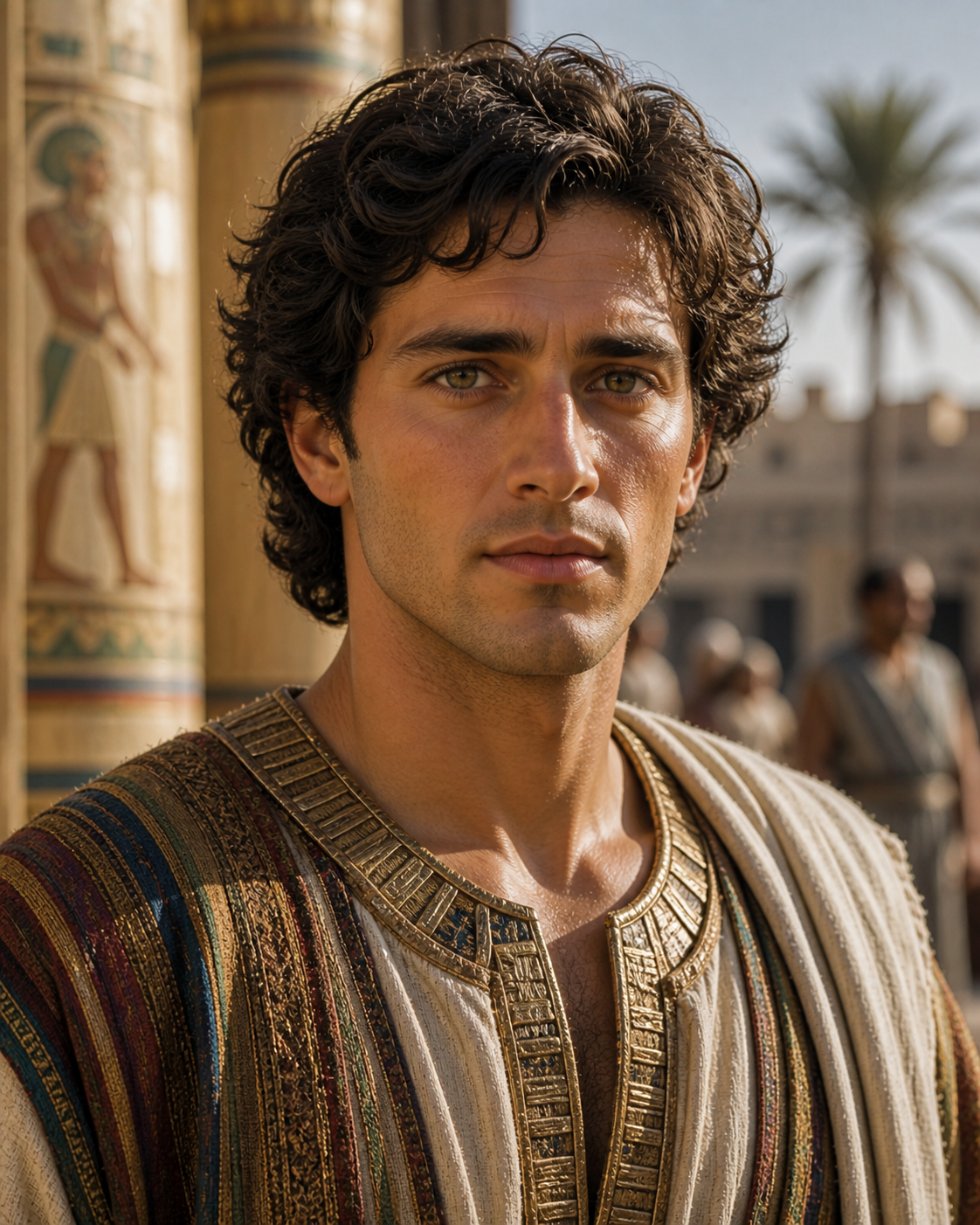
Eleventh son of Jacob, firstborn of Rachel; sold by his brothers into Egyptian slavery. Rose from prison to become Pharaoh's vizier through divine interpretation of dreams. Preserved his family during famine; through his sons Manasseh and Ephraim received a double inheritance among the tribes.
Fourth son of Jacob and Leah; founder of the royal tribe of Judah from which David and Christ descend. Suggested selling Joseph; later interceded for Benjamin. Father of Perez through Tamar.
Second son of Ishmael; later associated with a powerful nomadic Arab people frequently named in the prophets.
Twelfth and youngest son of Ishmael.
Third son of Nahor and Milcah; father of Aram. Distinct from Kemuel son of Shiphtan (Numbers 34:24) and Kemuel father of Hashabiah (1 Chronicles 27:17).
Chief descended from Esau (Genesis 36:42, 1 Chronicles 1:53). Distinct from Kenaz son of Eliphaz (Genesis 36:11) — though tradition often equates them — and Kenaz father of Othniel.
Son of Eliphaz; an Edomite chief. Distinct from the later Kenaz the brother of Caleb (cf. Joshua 15:17), though that line is sometimes connected by the Kenizzites.
Third daughter born to Job after his restoration; her name means 'horn of antimony' (eye-paint).
Son of Nahor brother of Abraham by his wife Milcah (Genesis 22:22). Treated as eponym of the Kesedim (Chaldeans).
Wife (or concubine) Abraham took after Sarah's death; mother of six sons through whom various Arabian peoples descended.
Second daughter born to Job after his restoration; her name means 'cassia' (a fragrant spice).
Son of Esau by Aholibamah; an Edomite chieftain. Distinct from the Levite Korah son of Izhar who led the rebellion in Numbers 16.
Son of Tahan of Ephraim (1 Chronicles 7:26). Distinct from Laadan the Levite.
Son of Bethuel, brother of Rebekah; father of Leah and Rachel. Hosted Jacob for twenty years and gave both daughters in marriage. Repeatedly altered Jacob's wages but was overcome by divine prosperity.
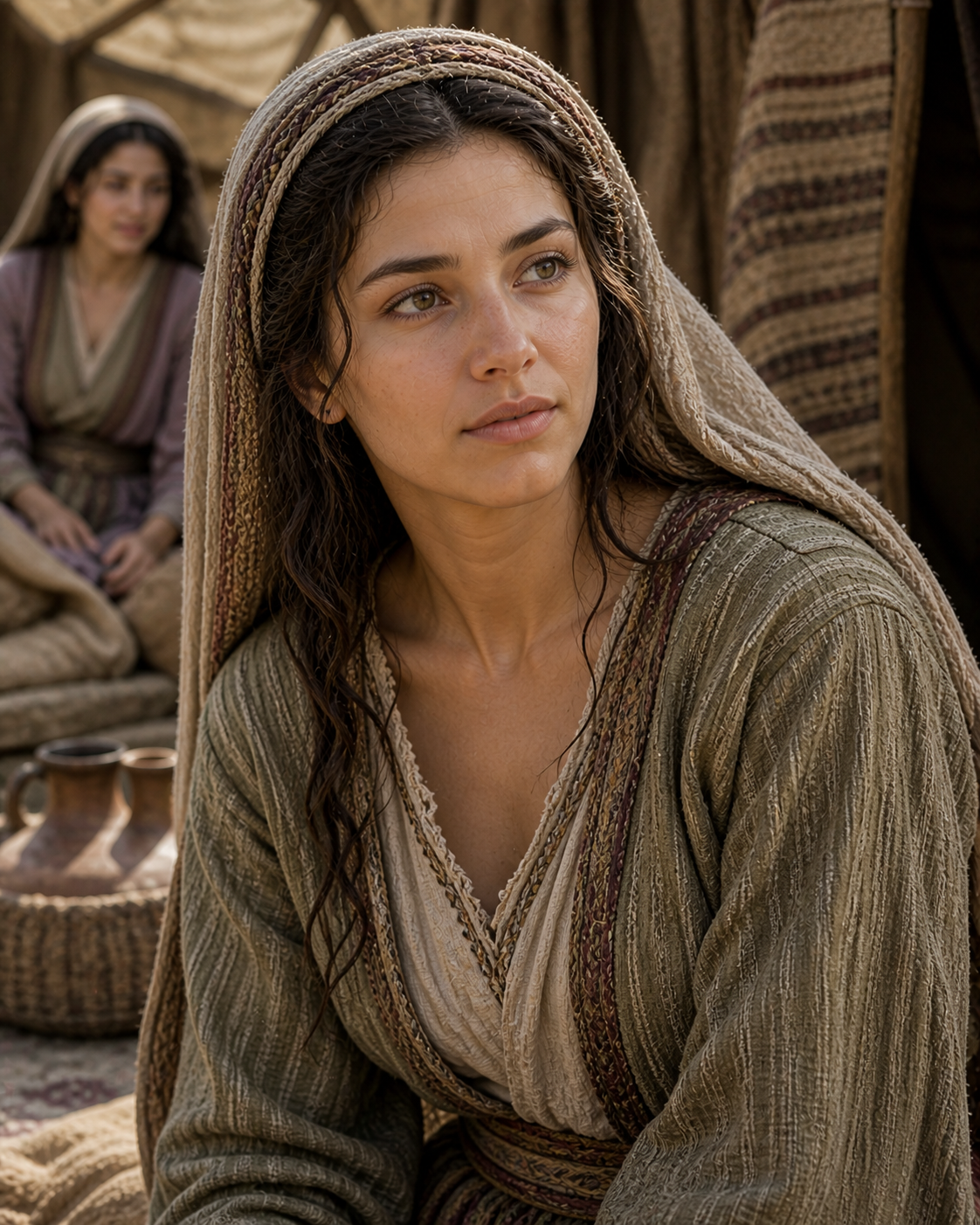
Elder daughter of Laban; given to Jacob through deception in place of Rachel. Mother of six of Jacob's sons (Reuben, Simeon, Levi, Judah, Issachar, Zebulun) and of his only named daughter Dinah. Buried in the cave of Machpelah.
Descendant of Dedan son of Jokshan (Genesis 25:3); a tribal designation.
Descendant of Dedan son of Jokshan (Genesis 25:3); a tribal designation.
Third son of Jacob and Leah; founder of the priestly tribe of Levi. Joined Simeon in the slaughter at Shechem. Ancestor of Moses, Aaron, and the Aaronic priesthood.
Son of Haran and nephew of Abraham; accompanied Abraham from Ur to Canaan. Settled in Sodom and was rescued from its destruction. Through his daughters, ancestor of Moab and Ammon.
Firstborn of Seir the Horite; brother of Timna; chief of the Lotanites.
Daughter (or son in some readings) of Nahor by his concubine Reumah; eponymous ancestor of Maacah (the Aramean territory in Transjordan).
Aramean concubine of Machir son of Manasseh; mother of Peresh and Sheresh (1 Chronicles 7:14).
Chief descended from Esau (Genesis 36:43).
Son (not daughter) of Hammolecheth (1 Chronicles 7:18). Distinct from Mahlah daughter of Zelophehad.
Son of Shobal son of Seir.
Firstborn son of Joseph and Asenath; adopted by Jacob and given a tribal inheritance equal to Jacob's other sons. Ancestor of the half-tribe east and west of the Jordan. Distinct from the later king Manasseh of Judah.
Son of Ishmael.
Mother of Mehetabel wife of Hadar king of Edom; daughter of Mezahab.
Son of Abraham by Keturah.
Wife of Hadar (or Hadad) eighth king of Edom; daughter of Matred, granddaughter of Mezahab.
Father of Matred and grandfather of Mehetabel wife of Hadar king of Edom.
Son of Ishmael.
Chief descended from Esau (Genesis 36:42).
Son of Abraham by Keturah; eponymous ancestor of the Midianites, the desert people whose later descendants included Jethro, Moses' father-in-law.
Daughter of Haran and sister of Lot and Iscah; wife of her uncle Nahor and grandmother of Rebekah.
Son of Ishmael.
Son of Reuel; an Edomite chief.
Son of Lot by his elder daughter, conceived in incest after the destruction of Sodom; eponymous ancestor of the Moabite people.
Shephupham (Numbers 26:39) · Shephuphan (1 Chronicles 8:5)
Son of Benjamin in Genesis 46:21; called Shephupham in Numbers 26:39 and Shephuphan / Shuppim in 1 Chronicles 7:12 / 8:5. Often equated with Shuppim already in the database.
Son of Reuel; an Edomite chief.
Son of Terah and brother of Abraham; married Milcah, the daughter of his other brother Haran. Father of twelve sons including Bethuel, the grandfather of Rebekah and Laban. Distinct from his grandfather of the same name.
Son of Ishmael.
Son of Jacob by Bilhah; founder of the tribe of Naphtali. Blessed by Jacob as 'a hind let loose'.
Firstborn son of Ishmael; brother of Esau's wife Basemath.
Son of Eliphaz; an Edomite chief.
Son of Becher (1 Chronicles 7:8). Distinct from Omri king of Israel.
Son of Shobal son of Seir. Distinct from Onam son of Jerahmeel of Judah (1 Chronicles 2:26).
Second son of Judah; refused to perform the levirate duty for his deceased brother Er and was killed by Yahweh for spilling his seed on the ground.
Son of Machir by his Aramean concubine (1 Chronicles 7:16).
Pharez · Phares
Twin son of Judah and Tamar; ancestor of David and through him of Christ. Named because he 'broke through' (his brother Zerah had put out a hand first but Perez was born first).
Pharaoh whose dreams Joseph interpreted; raised Joseph to second only to himself; received Jacob's family in Egypt.
Son of Nahor and Milcah.
Chief descended from Esau (Genesis 36:41). Probably eponym of the place Punon (Numbers 33:42).
Son of Jether of Asher (1 Chronicles 7:38).
Egyptian official, captain of Pharaoh's guard, who bought Joseph from the Ishmaelites; imprisoned him after his wife's false accusation.
Egyptian priest of On (Heliopolis); father-in-law of Joseph and grandfather of Manasseh and Ephraim.
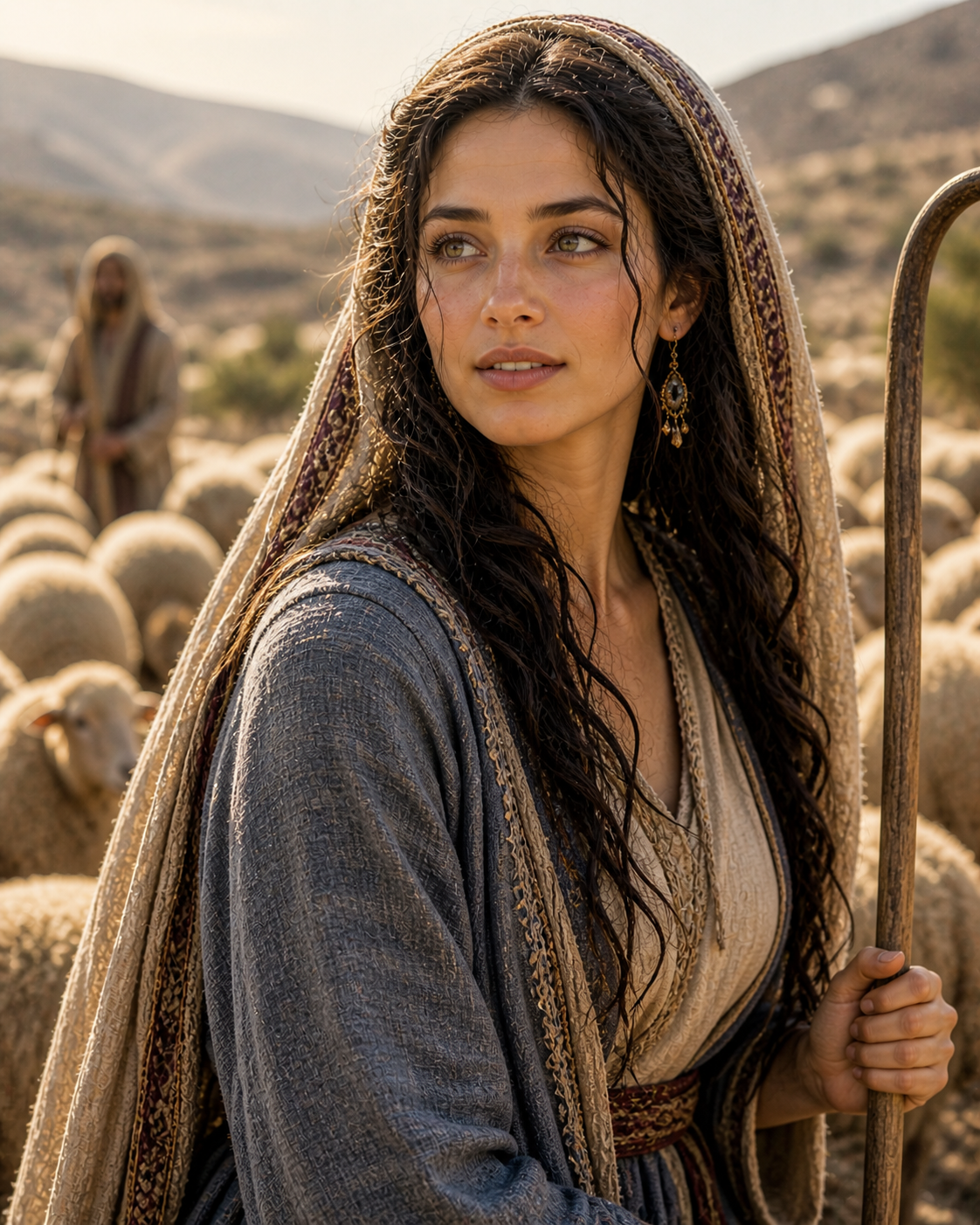
Younger daughter of Laban; the wife Jacob loved. Mother of Joseph and Benjamin; died giving birth to Benjamin and was buried near Bethlehem.
Son of Sheresh son of Machir (1 Chronicles 7:16). Distinct from Rekem the Midianite king and other Rekems.
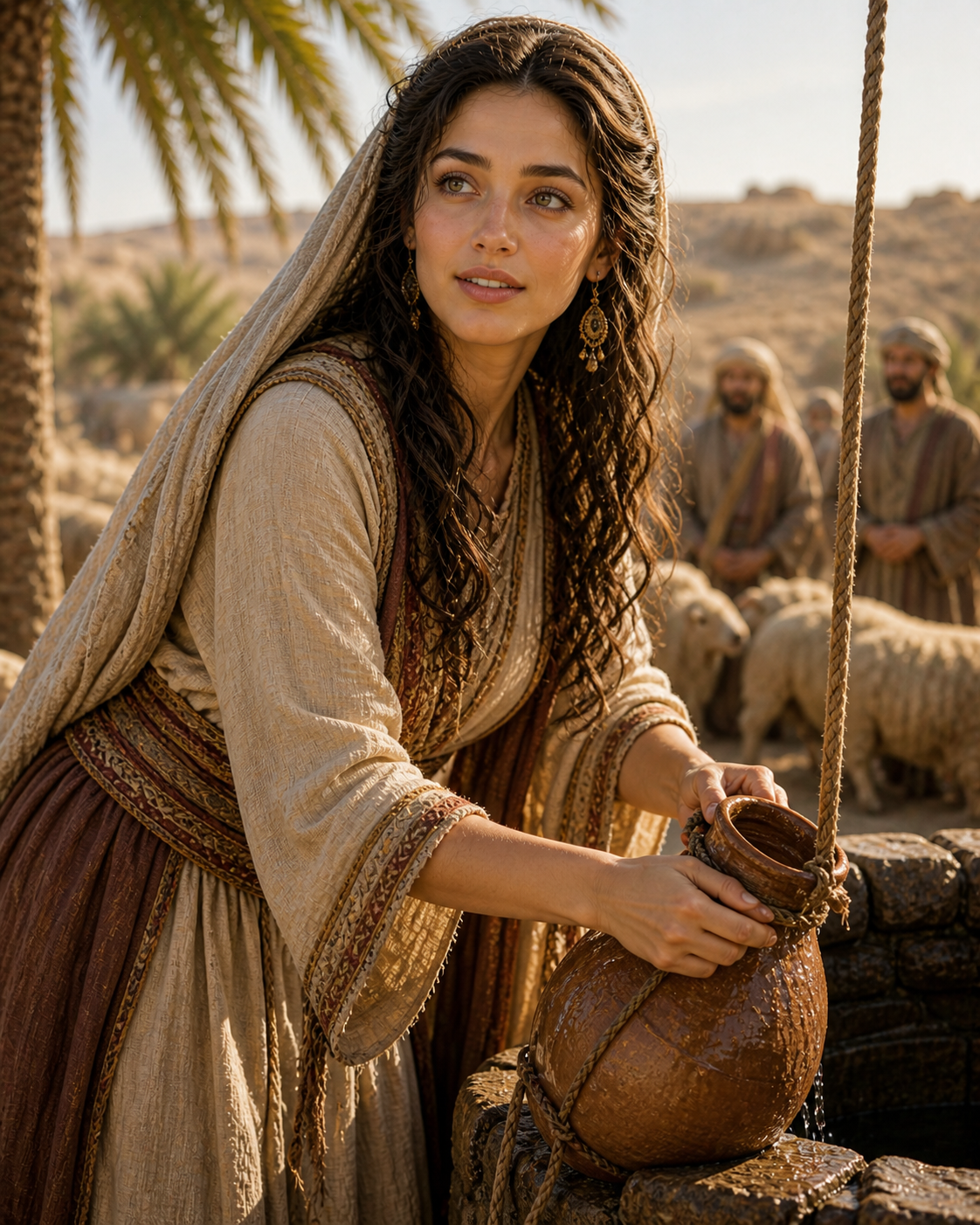
Rivkah
Daughter of Bethuel, sister of Laban; betrothed to Isaac through the providential journey of Abraham's servant. Mother of Esau and Jacob; received the oracle that 'the elder shall serve the younger'. Engineered Jacob's reception of the patriarchal blessing.
Son of Beriah of Ephraim (1 Chronicles 7:25).
Son of Tola of Issachar (1 Chronicles 7:2).
Son of Rephah of Ephraim (1 Chronicles 7:25).
Firstborn of Jacob and Leah; founder of the tribe of Reuben. Forfeited his preeminence by lying with his father's concubine Bilhah. Tried to save Joseph from his brothers.
Son of Esau by Basemath daughter of Ishmael; father of four Edomite chieftains. Distinct from Reuel the priest of Midian (Jethro), Moses' father-in-law.
Concubine of Nahor; mother of Tebah, Gaham, Tahash, and Maacah.
Son of Ulla, Asherite chief (1 Chronicles 7:39).
Fifth king of Edom; from Masrekah.
Son of Tola of Issachar (1 Chronicles 7:2). Distinct from Samuel the prophet.
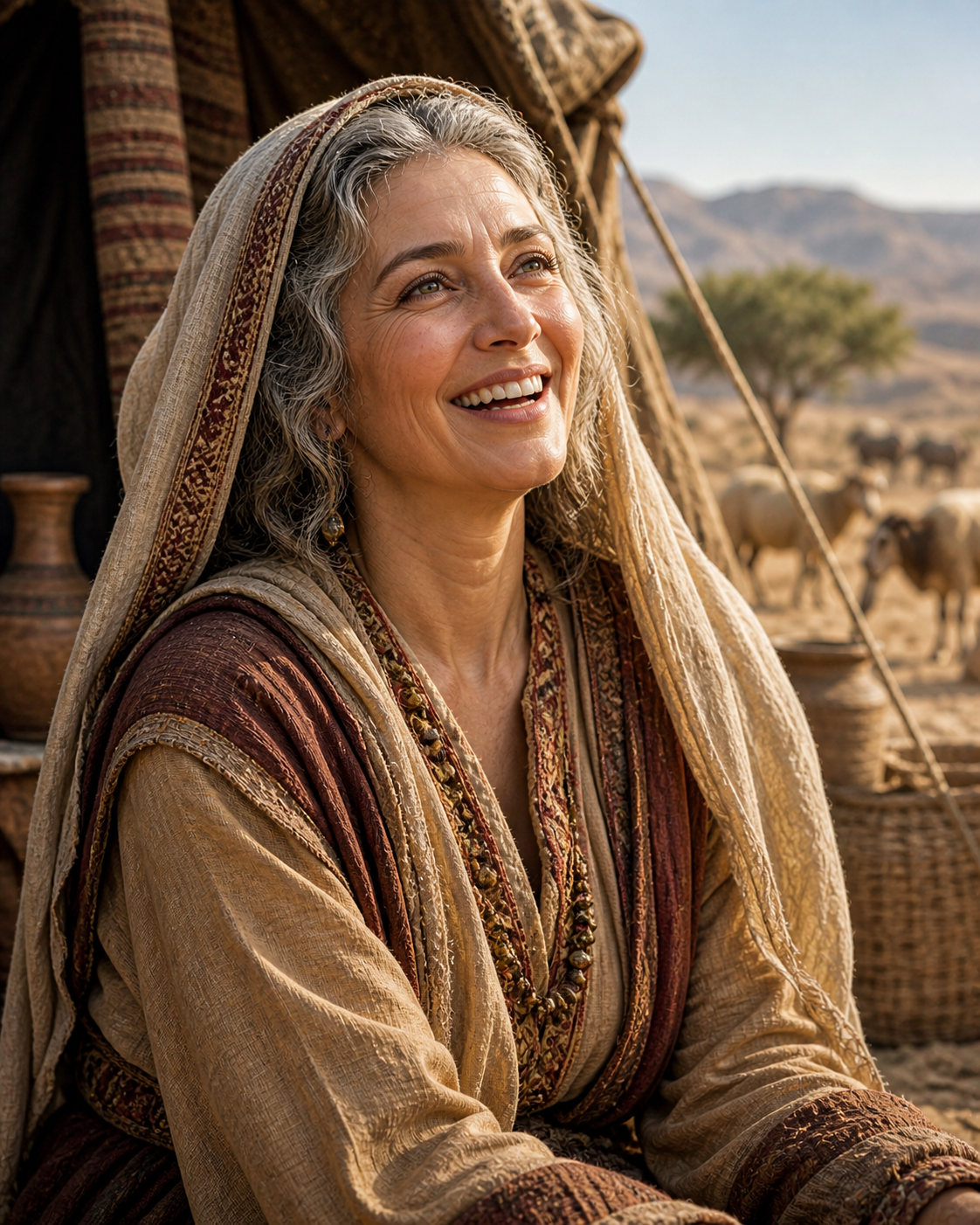
Sarai · Princess
Wife and half-sister of Abraham (same father, different mother). Originally Sarai; renamed Sarah ('princess') at age 90 with the promise of Isaac. Mother of Isaac. The only woman whose age at death is recorded in the Hebrew Bible (127 years).
Sixth king of Edom; from Rehoboth on the Euphrates. Distinct from Saul son of Kish, the first king of Israel.
Eponymous ancestor of the Horite (Hurrian-related) inhabitants of the hill country later occupied by Esau's descendants. Genesis 36 lists his seven sons as the Horite chiefs.
Son of Naphtali (1 Chronicles 7:13). Genesis 46:24 and Numbers 26:49 spell the name 'Shillem.' Distinct from many other Shallums.
Son of Reuel; an Edomite chief. Distinct from later figures of the same name (e.g. David's mighty man).
Son of Jokshan, grandson of Abraham by Keturah (Genesis 25:3; 1 Chronicles 1:32). Distinct from Sheba son of Raamah (Hamite) and Sheba son of Joktan (Shemite), though tribes of these three lines may have intermingled in southern Arabia.
Hivite prince, son of Hamor, who violated Dinah daughter of Jacob and sought to marry her; killed by Simeon and Levi while still recovering from circumcision (Genesis 34).
Son of Shemida (1 Chronicles 7:19). Distinct from Shechem son of Hamor.
Third son of Judah by the daughter of Shua; founder of the Shelanite clan. Distinct from the postdiluvian patriarch Shelah son of Arphaxad.
King of Zeboiim, one of the four Cities of the Plain who joined Bera of Sodom and Birsha of Gomorrah in revolt against Chedorlaomer; defeated and his goods and people carried off until Abram rescued them (Genesis 14:2).
Shephi (1 Chronicles 1:40)
Son of Shobal son of Seir.
Son of Machir by his Aramean concubine (1 Chronicles 7:16).
Second son of Seir; chief of the Shobalites. Distinct from Shobal son of Hur in Judah's line (1 Chronicles 2:50; 4:1-2).
Son of Heber of Asher (1 Chronicles 7:32). Likely the same as Shemer of v.34.
Canaanite man whose unnamed daughter became Judah's wife and the mother of Er, Onan, and Shelah.
Daughter of Heber, sister of Japhlet, Shomer, and Hotham (1 Chronicles 7:32).
Youngest son of Abraham by Keturah; later associated with the Shuhites (cf. Job's friend Bildad the Shuhite).
Second Shuthelah of Ephraim, son of Zabad (1 Chronicles 7:21).
Second son of Jacob and Leah; founder of the tribe of Simeon. With Levi, executed the men of Shechem in vengeance for Dinah; Jacob cursed their fierce anger.
Son of Nahor by his concubine Reumah.
Second Tahath in Ephraim's line, son of Eladah (1 Chronicles 7:20).
Son of Bered (1 Chronicles 7:20). Distinct from Tahath the Levite ancestor of Samuel.
Widow of Er and Onan; denied the levirate marriage to Shelah, she disguised herself as a prostitute and conceived twins by her father-in-law Judah. Mother of Perez, through whom David and Christ descend. Named in Matthew 1:3.
Son of Nahor by his concubine Reumah.
Son of Ishmael; gave his name to an oasis in northwestern Arabia.
Firstborn son of Eliphaz; eponymous ancestor of the Temanites and the region of Teman in Edom. Often associated with wisdom (cf. Jeremiah 49:7).
Chief descended from Esau (Genesis 36:42). Distinct from Teman son of Eliphaz (Genesis 36:11) — though tradition often equates them.
Thara
Son of Nahor; father of Abram, Nahor (the younger), and Haran. Departed Ur of the Chaldeans for Canaan but settled in Haran, where he died at 205. According to Joshua 24:2, served other gods.
First-named of the chiefs descended from Esau in Genesis 36:40. Distinct from Timna the concubine of Eliphaz (Genesis 36:12) and from Timna the Horite chief of Genesis 36:22.
Horite concubine of Eliphaz son of Esau; mother of Amalek. Sister of Lotan the Horite chief.
Son of Sheresh (1 Chronicles 7:16). Distinct from Ulam son of Eshek of Saul's line.
Asherite whose sons Arah, Hanniel, and Rizia were chiefs (1 Chronicles 7:39).
Son of Dishan son of Seir. Distinct from Uz son of Aram (Genesis 10:23) and from the Land of Uz of Job 1:1.
Firstborn son of Nahor and Milcah. Distinct from Uz son of Aram (Genesis 10:23) and Uz son of Dishan the Horite.
Son of Bela son of Benjamin (1 Chronicles 7:7).
Son of Tola of Issachar (1 Chronicles 7:2).
Son of Bela son of Benjamin (1 Chronicles 7:7).
Wife of Potiphar; falsely accused Joseph of attempted rape after he refused her advances.
Son of Ezer son of Seir.
Son of Tahath of Ephraim (1 Chronicles 7:21). Distinct from many other Zabads.
Sixth son of Jacob and Leah; founder of the tribe of Zebulun. Blessed to dwell at the haven of the seas.
Son of Becher (1 Chronicles 7:8).
Zephi
Son of Eliphaz; an Edomite chief.
Father of Jobab the second king of Edom. Distinct from Zerah son of Reuel and from the Judahite Zerah.
Twin son of Judah and Tamar; father of five named sons. The Zerahite clan. Distinct from Zerah son of Reuel the Edomite.
Son of Reuel; an Edomite chief. Distinct from Zerah son of Judah (Genesis 38:30) and other figures of the same name.
Zibeon the Hivite (Genesis 36:2)
Third son of Seir; father of Aiah and Anah. Genesis 36:2 calls him a Hivite, while 36:20 and 36:24 list him as a Horite — likely synonymous in this context.
Leah's handmaid; given to Jacob as a secondary wife to bear children for Leah. Mother of Gad and Asher.
Eldest son of Abraham by Keturah.
Zephon (Numbers 26:15)
Firstborn of Gad in Genesis 46:16; called Zephon in Numbers 26:15.
Asherite chief; son of Helem (1 Chronicles 7:35-36). Father of eleven chiefs.
Youngest of Job's three friends; the harshest accuser. Speaks twice in the dialogues, then drops out before the final cycle.
Curation status: Primeval (Genesis 1–11), patriarchs (Genesis 12–50), Exodus/Numbers, Joshua/Judges/Ruth, the united and divided monarchies (Saul, David, all kings of Judah and Israel), the writing prophets, post-exilic figures (Zerubbabel, Ezra, Nehemiah, Esther), the Holy Family, John the Baptist, the Twelve, and the early apostolic generation are all in. 2,781figures curated so far. The remaining named biblical figures (priestly genealogies in 1 Chronicles, the post-exile lists in Ezra/Nehemiah, the obscure persons in Acts and the epistles) are pending. Every claim is rigorously sourced; gaps mean “not yet curated”, not “not in scripture”.