
Every named figure.
Lifespans, relatives, and scripture references. Every claim is traceable; tradition tags surface where readings differ.
218 of 2,781 curated matching the active filters.

One of the seven eunuchs who served Ahasuerus (Esther 1:10).
Father of Shelemiah, one of three royal officers sent by Jehoiakim to seize Baruch and Jeremiah (Jeremiah 36:26).
Azariah
Friend of Daniel; preserved in the fiery furnace.
Father of Esther and uncle of Mordecai. Distinct from other Abihails (e.g. Abihail wife of Rehoboam).
Son of Haman; killed by the Jews in Susa.
Father of Melchi in Luke 3:28.
Father of Maasai the post-exilic priest. Distinct from Adiel the Simeonite chief and Adiel father of David's treasurer.
Ancestral head of returnees with Zerubbabel (Ezra 2:15 / Nehemiah 7:20); a second wave of 50 men returned with Ezra under Ebed son of Jonathan (Ezra 8:6); his clan signed the covenant (Nehemiah 10:16).
One of the seven princes of Persia and Media.
False prophet among the Babylonian exiles named in Jeremiah 29:21-23; Yahweh promised that Nebuchadnezzar would roast him in fire. Distinct from Ahab king of Israel.
Nephew of Tobit; chief cupbearer, keeper of the signet, and accountant under Sennacherib and Esarhaddon of Assyria. Echoes the wider ancient near-eastern Story of Ahikar.
Ancestor of Amashsai the priest (Nehemiah 11:13). Possibly Jahzerah of 1 Chronicles 9:12.
Father of Uthai. Distinct from Ammihud the Ephraimite, Ammihud the Simeonite, Ammihud of Naphtali, and Ammihud father of Talmai of Geshur.
Ancestor of Adaiah the priest (Nehemiah 11:12).

Wife of Tobit; supported the household while Tobit was blind. Distinct from Anna the prophetess.
Ancestor of the sons of Arah listed among the returnees (Ezra 2:5 / Nehemiah 7:10); his daughter married Tobiah the Ammonite (Nehemiah 6:18). Distinct from Arah son of Ulla the Asherite (1 Chronicles 7:39).
Son of Haman; killed by the Jews in Susa.
Son of Haman; killed by the Jews in Susa.
Captain of the king's guard under Nebuchadnezzar; ordered to slay the wise men of Babylon, but stayed when Daniel offered to interpret the dream (Daniel 2:14-25).
Captain of Nebuchadnezzar's bodyguard; tasked with executing the wise men of Babylon when none could interpret the king's dream. Brought Daniel to the king. Distinct from Arioch king of Ellasar in Genesis 14.
Son of Haman; killed by the Jews in Susa.
King of the Medes who built Ecbatana; defeated and killed in battle by Nebuchadnezzar in the framing narrative of Judith.
Father of Berechiah the post-exilic Levite. Distinct from King Asa.
Chief of Nebuchadnezzar's eunuchs (rab-saris); placed in charge of Daniel and his three companions during their training in the Babylonian court.
Son of Haman; killed by the Jews in Susa.
Son of Jeconiah (Jehoiachin) listed in 1 Chronicles 3:17. Some take 'Assir' as a title meaning 'the captive' rather than a personal name.
Median king who, in Bel and the Dragon (Daniel 14), is the ruler under whom Daniel exposes the priests of Bel.
Ancestral head of the sons of Ater 'of Hezekiah' (Ezra 2:16 / Nehemiah 7:21) — 98 men. Distinct from Ater the gatekeeper clan (Ezra 2:42).
Insolent leader who, with Johanan son of Kareah, accused Jeremiah of lying and led the remnant of Judah down to Egypt against the prophet's word (Jeremiah 43:2-7).
Father of Seraiah, one of three royal officers Jehoiakim sent to seize Baruch and Jeremiah (Jeremiah 36:26).
Grandfather of Shemaiah the Levite (1 Chronicles 9:14). Distinct from Azrikam son of Azel and other Azrikams.
Grandfather of Shemaiah the Levite (Nehemiah 11:15). Distinct from Azrikam son of Neariah and Azrikam the doorkeeper.
Father of Hananiah the false prophet.
Ammonite king who instigated Ishmael son of Nethaniah's assassination of Gedaliah.
Eunuch in charge of Holofernes' personal affairs; discovered the headless body of his master after Judith's escape.
Earliest named ancestor of Uthai in 1 Chronicles 9:4; from the line of Perez. Distinct from many other Banis.
Binnui (Nehemiah 7:15)
Ancestral head of the sons of Bani who returned with Zerubbabel (Ezra 2:10), called Binnui in Nehemiah 7:15. Distinct from Bani the Gadite mighty man, Bani father of Imri ancestor of Uthai, Bani the Levite of Nehemiah 8 / 9 / 10, and others.
Faithful scribe of Jeremiah; recorded the prophecies on the scroll cut by Jehoiakim's penknife and rewrote them. Received a personal oracle of preservation through the disaster (Jeremiah 45). Forced down to Egypt with Jeremiah by Johanan.
Co-regent of Babylon under his father Nabonidus; killed the night Babylon fell to Cyrus's general (539 BC) after the writing on the wall.
Babylonian throne name given to Daniel by Ashpenaz; honors the god Bel. Listed separately for cross-reference; the person is identical with Daniel the prophet.
Father of the prophet Zechariah.
Ancestral head whose 323 sons returned with Zerubbabel (Ezra 2:17 / Nehemiah 7:23); the clan signed the covenant (Nehemiah 10:18).
One of the seven eunuchs who served Ahasuerus (Esther 1:10). Distinct from Bigthan the conspirator.
Bigthana
Eunuch and royal guard who plotted with Teresh against Ahasuerus; the plot was uncovered by Mordecai and the conspirators executed.
Ancestor of the lay clan whose sons are listed in Ezra 10:38-42 (treating Ezra 10:38 as 'sons of Binnui' per LXX). Distinct from Binnui the Levite, Binnui son of Henadad, and other Binnuis.
One of the seven eunuchs who served Ahasuerus (Esther 1:10).
Most-distant named Levite ancestor of Shemaiah (Nehemiah 11:15). Possibly the same Bunni who sealed Nehemiah's covenant (Nehemiah 10:15).
Priestly father of Ezekiel the prophet, named only in the superscription of his book (Ezekiel 1:3).
One of the seven eunuchs who served Ahasuerus (Esther 1:10).
One of the seven princes of Persia and Media who saw the king's face.
Father of Addi in Luke 3:28.
Great-grandfather of Jehudi son of Nethaniah son of Shelemiah, the courtier sent to fetch Baruch and the scroll (Jeremiah 36:14).
Son of Haman; killed by the Jews in Susa.
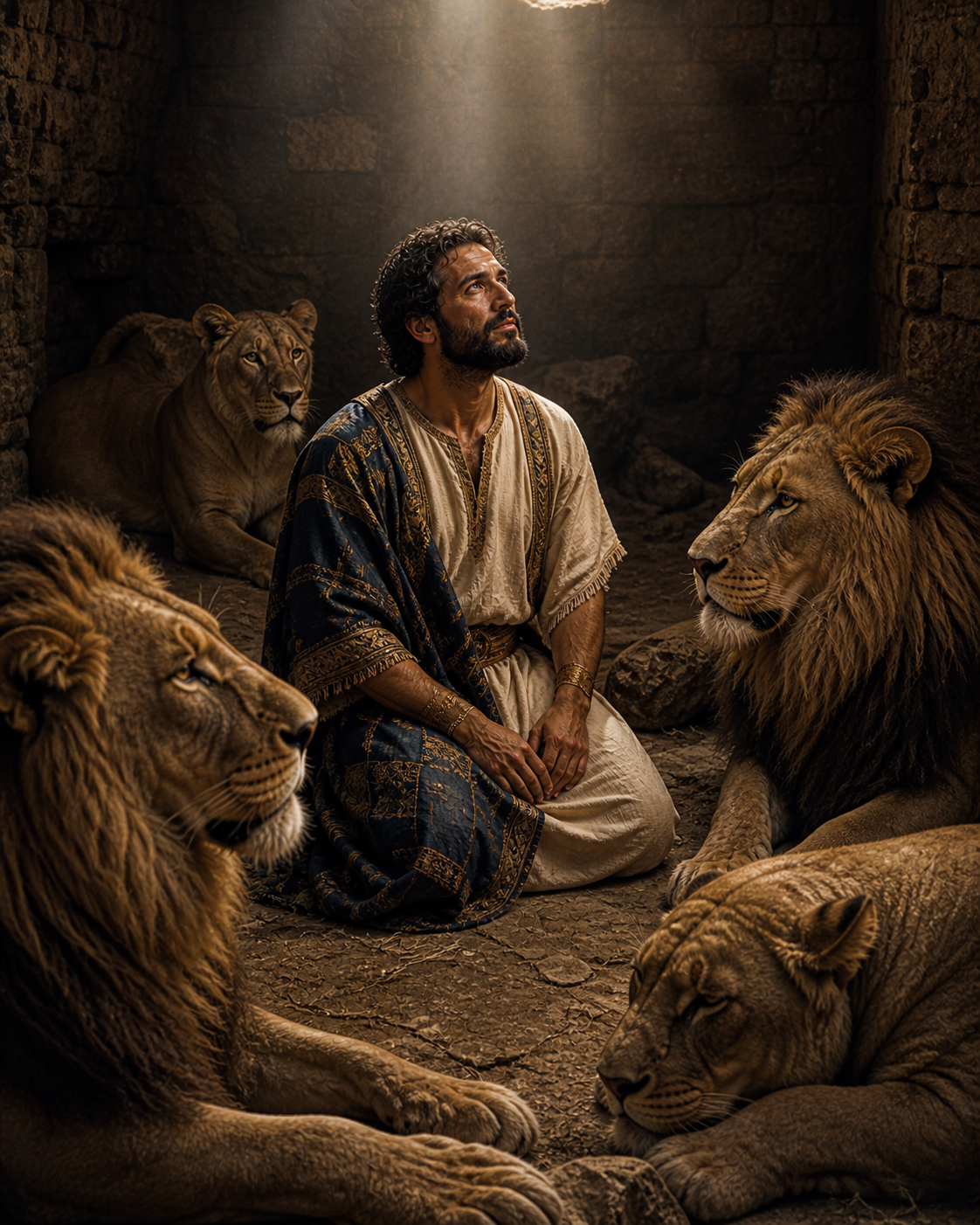
Of royal Judahite line; deported to Babylon in 605 BC as a youth. Refused the king's food; given understanding in dreams and visions. Served Nebuchadnezzar, Belshazzar, Darius the Mede, and Cyrus. Survived the lions' den. Received the 70-weeks prophecy and the visions of the four kingdoms. Distinct from Daniel/Chileab son of David.
Took the kingdom at age 62 after Belshazzar's fall; cast Daniel into the lions' den. Identification debated (perhaps a regnal title for Cyrus, or for Gubaru/Gobryas, or for Cyaxares II). Distinct from Darius the Great.
Cushite eunuch in Zedekiah's palace; pulled Jeremiah out of the muddy cistern. Promised by Jeremiah that he would survive the fall of Jerusalem because he trusted Yahweh.
Wife of Raguel and mother of Sarah; received Tobias warmly when he came to Ecbatana.
Ancestral head of 1,254 sons of Elam who returned with Zerubbabel (Ezra 2:7 / Nehemiah 7:12) and a 'second' Elam clan of equal size (Ezra 2:31); the clan signed the covenant (Nehemiah 10:14). Distinct from Elam son of Shem and several Elamite Levites.
Son of Shaphan; sent by Zedekiah to Nebuchadnezzar in Babylon and entrusted with Jeremiah's letter to the exiles (Jeremiah 29).
Grandfather of Ishmael son of Nethaniah, the assassin of Gedaliah, who was 'of the royal seed' (Jeremiah 41:1; 2 Kings 25:25). Possibly the Elishama scribe of Jeremiah 36:12, or the Elishama of David's sons (1 Chronicles 3:6,8); identification is debated.
Grandfather of Berechiah; ancestor of Levites dwelling in Netophathite villages (1 Chronicles 9:16).
Father of Cosam in Luke 3:28.
Netophathite whose sons came as captains of the open country to Gedaliah at Mizpah (Jeremiah 40:8).
Awel-Marduk · Amel-Marduk
Son of Nebuchadnezzar II and king of Babylon (562-560 BC). In the thirty-seventh year of Jehoiachin's exile he released him from prison and gave him a place at the royal table.
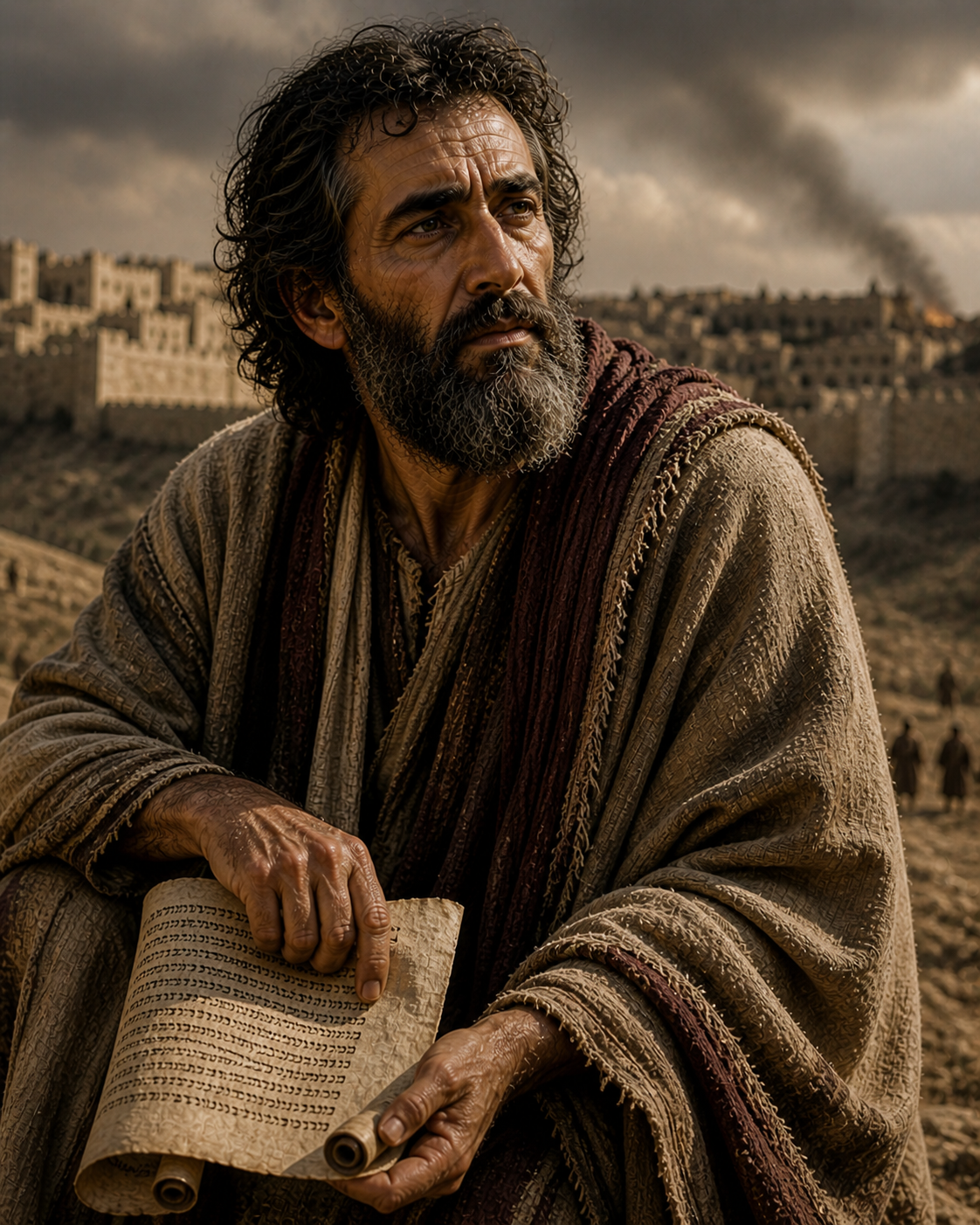
Son of Buzi the priest; deported to Babylon in 597 BC with Jehoiachin. Called as prophet in his thirtieth year (593 BC) by the river Chebar; ministered until at least 571 BC. Visions of the cherubim, the dry bones, and the new temple. Sign-acts of the brick, the hair, the refusal to mourn his wife.
Son of Jeduthun the chief musician; grandfather of Obadiah the post-exilic Jeduthunite Levite. Distinct from Galal of 1 Chronicles 9:15.
Grandson of Shaphan; appointed governor of Judah by Nebuchadnezzar after the fall of Jerusalem; sheltered Jeremiah at Mizpah; assassinated by Ishmael son of Nethaniah after seven months in office.
One of the officials of Zedekiah who threw Jeremiah into the cistern. Distinct from Gedaliah the governor.
Envoy whom King Zedekiah sent with Elasah son of Shaphan to Nebuchadnezzar in Babylon, by whose hand Jeremiah sent his letter to the exiles (Jeremiah 29:3).
Grandfather of Jaazaniah the Rechabite leader; father of Jeremiah (not the prophet) (Jeremiah 35:3).
Father of Haman the enemy of the Jews; an Agagite (descendant of Agag, traditionally identified as Amalekite royalty).
Cousin of the prophet Jeremiah who, during the Babylonian siege, came to him in the court of the guard with the right of redemption and sold him a field at Anathoth — a sign-act of confidence in Yahweh's promise of restoration (Jeremiah 32:7-12).
Son of Igdaliah the man of God; his sons had a chamber in the temple where Jeremiah brought the Rechabites (Jeremiah 35:4).
False prophet from Gibeon who broke Jeremiah's wooden yoke and prophesied that Babylon would fall in two years; Jeremiah said he would die that year, and he did in the seventh month.
Harbonah
One of the seven eunuchs who served Ahasuerus; later suggested that Haman be hanged on the gallows he had built for Mordecai (Esther 1:10, 7:9).
Lay ancestor of the returnee 'sons of Harim' (Ezra 2:32; Ezra 10:31). Distinct from Harim the priestly course.
Great-grandfather of Shemaiah the post-exilic Levite. Distinct from many other Hashabiahs.
Ancestor of Shemaiah the Levite (Nehemiah 11:15).
Grandfather of Uzzi the overseer (Nehemiah 11:22). Asaphite Levite.
Ancestral head of the sons of Hashum (Ezra 2:19 / Nehemiah 7:22); also a wall-builder Hashum stood on Ezra's left (Nehemiah 8:4) and the clan signed the covenant (Nehemiah 10:18).
Ancestor of the returnee 'sons of Hassenaah' who rebuilt the Fish Gate (Nehemiah 3:3). The 'sons of Senaah' returned in large number under Zerubbabel (Ezra 2:35).
Great-grandfather of Sallu the Benjamite returnee.
Father of Shemaiah the post-exilic Levite. Distinct from Hasshub the wall-builder.
Eunuch appointed by Ahasuerus to attend Esther; courier between Esther and Mordecai during the Haman crisis.
Hege
Eunuch of King Ahasuerus; keeper of the women in the harem during the gathering of virgins. Showed favor to Esther.
Levite ancestor whose descendants returned with Zerubbabel and helped supervise temple construction (Ezra 3:9). Father of Binnui and Bavvai the wall builders.
Father of Susanna; raised her in the law of Moses (Daniel 13:2-3).
Grandfather of Sallu the Benjamite returnee.
Father of Jezaniah (Jaazaniah) and Azariah, who led the remnant approaching Jeremiah after Gedaliah's assassination and ultimately defied his prophecy by fleeing to Egypt (Jeremiah 42:1; 43:2).
Son of Jeconiah king of Judah.
Great-grandfather of the Benjamite returnee Meshullam (1 Chronicles 9:8).
Grandfather of the prophet Zechariah; one of the priests who returned with Zerubbabel and Jeshua.
Father of Hanan, whose sons had a chamber in the temple where the Rechabites were tested by the prophet Jeremiah; called 'the man of God' (Jeremiah 35:4).
Great-grandfather of Uthai. Distinct from Imri father of Zaccur the wall-builder.
Sentry at the Benjamin Gate who arrested Jeremiah on charges of deserting to the Chaldeans.
Of the royal house; assassinated Gedaliah and his guards at Mizpah, then slew seventy pilgrims and fled to the Ammonites. Distinct from Ishmael son of Abraham and other Ishmaels.
Ancestor of Sallu the Benjamite leader (Nehemiah 11:7). The name Ithiel also appears in Proverbs 30:1 as a name to whom Agur addressed his oracle.
Prince of Israel seen by Ezekiel in the same vision at the east gate; counted among the twenty-five who gave wicked counsel.
One of the seventy elders of Israel seen by Ezekiel offering incense to idols in a hidden chamber of the temple. Probably brother of the Ahikam-Gemariah-Elasah-Jaazaniah-Shaphan family of Josiah's court.
Ahzai (Nehemiah 11:13)
Grandfather of Maasai the post-exilic priest (1 Chronicles 9:12); often equated with Ahzai of the Nehemiah 11 parallel.
One of the seven sons of Jeconiah the captive named in the post-exilic Davidic genealogy (1 Chronicles 3:18).
Coniah · Jeconiah
Son of Jehoiakim; reigned three months in 597 BC before surrendering to Nebuchadnezzar and being deported to Babylon. Released from prison thirty-seven years later by Evil-merodach. Recipient of Jeremiah's curse that none of his offspring would prosper on David's throne (Jeremiah 22:30); appears in both Matthean and (debated) other genealogies.
Jozadak · Josedech
Son of Seraiah; carried into Babylonian exile when Yahweh sent Judah away by the hand of Nebuchadnezzar. Father of Joshua the high priest of the post-exilic restoration.
Jucal
Royal officer of Zedekiah; sent to Jeremiah to ask for prayer; later one of the officials who threw Jeremiah into the cistern.
Courtier in Jehoiakim's court sent to fetch Baruch with the scroll, who then read Jeremiah's words aloud to the king as Jehoiakim cut and burned the scroll columns (Jeremiah 36:14, 21, 23).
Son of Jeconiah king of Judah.
Royal officer whom Jehoiakim sent, with Seraiah son of Azriel and Shelemiah son of Abdeel, to seize Baruch and Jeremiah after the burning of the scroll; 'but the LORD hid them' (Jeremiah 36:26).
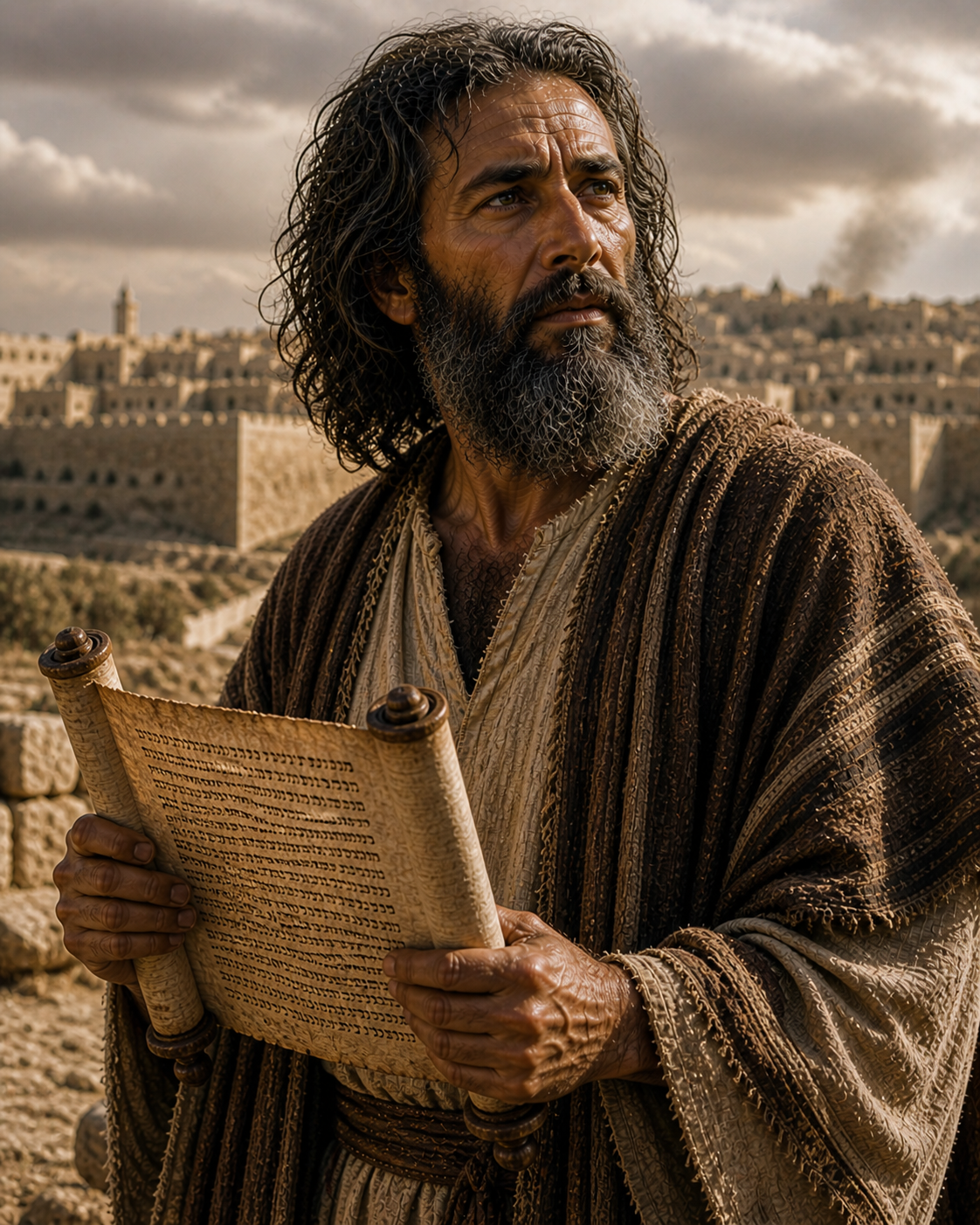
Son of Hilkiah of the priests at Anathoth; called from the womb. Prophesied 627–586 BC and into the exile. The 'weeping prophet'; counseled submission to Babylon and was imprisoned for treason. Witnessed Jerusalem's fall; carried into Egypt against his will and tradition says martyred there. Author of Jeremiah and Lamentations.
Father of Jaazaniah, leader of the Rechabite clan brought by the prophet Jeremiah into the temple to test their fidelity to Jonadab's commands (Jeremiah 35:3).
Father of Ibneiah the Benjamite returnee. Distinct from Jeroham the Benjamite of 1 Chronicles 8:27 and Jeroham father of Adaiah the priest.
Most-distant named ancestor of Sallu the Benjamite leader (Nehemiah 11:7). Distinct from many other Jeshaiahs.
Jaazaniah son of the Maacathite (2 Kings 25:23)
Maacathite military commander who rallied to Gedaliah at Mizpah and after the assassination led the survivors to consult Jeremiah.
Wealthy Jewish exile in Babylon; husband of Susanna. Distinct from Joachim grandfather of Mary in tradition.
Wealthy Jew of Babylon; husband of Susanna in the deuterocanonical addition to Daniel.
Captain of forces left in Judah after the fall of Jerusalem; warned Gedaliah of Ishmael's plot. Pursued Ishmael after the murder; ignored Jeremiah's command and led the remnant down to Egypt.
Ancestor of the Shilonite Maaseiah of Jerusalem (Nehemiah 11:5). Distinct from Joiarib the priestly course.
Brother of Johanan; military commander who rallied to Gedaliah at Mizpah.
Hariph (Nehemiah 7:24)
Ancestral head of returnees in Ezra 2:18; called Hariph in Nehemiah 7:24, where the clan signed the covenant (Nehemiah 10:19).
Father of Johanan and Jonathan; commanders of the open country who rallied to Gedaliah after the fall of Jerusalem.
Father of Ahab, one of the false prophets in Babylon whom Nebuchadnezzar burned in the fire (Jeremiah 29:21-22).
Ancestor of Sallu the Benjamite leader (Nehemiah 11:7). Possibly the same Kolaiah father of Ahab the false prophet (Jeremiah 29:21).
Father of Zephaniah the second priest under Zedekiah (Jeremiah 21:1; 29:25; 37:3).
Ancestor of Sallu the Benjamite leader (Nehemiah 11:7).
Keeper of the threshold whose chamber adjoined the chamber of the sons of Hanan in the temple (Jeremiah 35:4).
Ancestral head whose 156 sons returned (Ezra 2:30); not paralleled in Nehemiah 7. May be a place-name representing inhabitants rather than a personal patriarch.
Ancestor of Athaiah; descendant of Perez (Nehemiah 11:4). Distinct from Mahalalel son of Kenan (antediluvian).
Father of Neriah, grandfather of Baruch the scribe and Seraiah the quartermaster (Jeremiah 32:12; 51:59).
Father of Pashhur the priest, one of the courtiers under Zedekiah who sought Jeremiah's death (Jeremiah 21:1; 38:1).
Owner of the cistern in the court of the guard into which the princes lowered Jeremiah on muddy ropes (Jeremiah 38:6).
Son of Jeconiah king of Judah, born in exile.
Late husband of Judith of Bethulia; died of sunstroke during the barley harvest (Judith 8:2-3).
One of the seven princes of Persia and Media.
Father of Shephatiah, one of the four princes of Zedekiah who urged the king to put Jeremiah to death (Jeremiah 38:1).
Ancestor of Uzzi the overseer (Nehemiah 11:22). Possibly the same as Mattaniah of v.17 a generation earlier.
First-named of the seven eunuchs who served Ahasuerus and were sent to bring Vashti to the banquet (Esther 1:10).
Father of Neri in Luke 3:28. Distinct from Melchi son of Jannai earlier.
One of the seven princes of Persia and Media, the king's seven counselors. Recommended that Vashti be deposed.
One of the seven princes of Persia and Media.
Mishael
Friend of Daniel; preserved in the fiery furnace.
Meshillemoth (Nehemiah 11:13)
Ancestor of Maasai; son of Immer (1 Chronicles 9:12).
Ancestor of Amashsai the priest (Nehemiah 11:13). Distinct from Meshillemoth of Ephraim (2 Chronicles 28:12).
Father of Sallu the Benjamite returnee.
Great-grandfather of Maasai the post-exilic priest.
Father of Mattaniah the post-exilic Asaphite Levite.
Father of Mattaniah the Asaphite (Nehemiah 11:17).
Angelic prince of Israel who in Daniel's visions stands against the prince of Persia and contends for the people in the latter days (Daniel 10:13, 21; 12:1); in Jude he disputes with the devil over the body of Moses, daring not to bring a railing accusation (Jude 9); in Revelation he leads the angelic host against the dragon and casts him out of heaven (Revelation 12:7-9).
Grandfather of Elah the Benjamite returnee.
Ancestor of the returnee 'sons of Nebo' (Ezra 2:29; Ezra 10:43).
Sarsechim · Nebusarsekim
Babylonian Rab-saris (chief officer) at the fall of Jerusalem; sat at the Middle Gate. Confirmed by a cuneiform tablet from the British Museum.
King of Babylon 605–562 BC; conquered Jerusalem in three campaigns (605, 597, 586 BC). Three deportations of Judah; destroyed the first temple. His dreams and seven-year madness recorded in Daniel 2-4. Died after his great Babylonian building works.
Babylonian Rabsaris (chief eunuch) who, with Nebuzaradan, gave Jeremiah his liberty after the fall of Jerusalem (Jeremiah 39:13).
Captain of the bodyguard of Nebuchadnezzar; burned the temple, the palace, and the houses of Jerusalem in 586 BC; carried the people into exile but treated Jeremiah kindly.
Son of Jeconiah king of Judah.
Babylonian official at the fall of Jerusalem; later king of Babylon (Neriglissar).
Father of Shealtiel in Luke 3:27. Matthew's genealogy makes Shealtiel a son of Jeconiah; Luke's tradition routes through Neri descended from Nathan son of David.
Father of Baruch and Seraiah; named in Jeremiah's prophecies and the Book of Baruch.
Father of Ishmael who assassinated Gedaliah; of royal blood (descendant of Elishama).
Father of Jehudi the courtier sent by Jehoiakim's princes to summon Baruch (Jeremiah 36:14).
Prophet of the shortest book in the Hebrew Bible; oracle against Edom for its part in Jerusalem's fall.
Grandfather of Uthai in 1 Chronicles 9:4. Distinct from Omri king of Israel, Omri the Issacharite, and Omri of Benjamin.
Ancestral head whose name means 'governor of Moab'; the clan returned through 'sons of Jeshua and Joab' (Ezra 2:6 / Nehemiah 7:11) — 2,812 men. Hashub son of Pahath-moab repaired the wall (Nehemiah 3:11) and the clan signed the covenant (Nehemiah 10:14).
Son of Haman; killed by the Jews in Susa.
Ancestral head of one of the largest clans of returnees: 2,172 sons of Parosh in Ezra 2:3 / Nehemiah 7:8. His descendants reappear among Ezra 8 returnees (Zechariah son of Parosh) and the wall-builders (Pedaiah son of Parosh, Nehemiah 3:25).
First-named of Haman's ten sons; killed by the Jews in Susa.
Ancestral head of the returnee priestly clan called 'sons of Pashhur' (Ezra 2:38; Ezra 10:22). Distinct from Pashhur son of Immer (the priest who imprisoned Jeremiah) and from Pashhur son of Malchijah.
Royal officer sent by Zedekiah to inquire of Jeremiah; later one of the officials who threw Jeremiah into the cistern. Distinct from Pashhur son of Immer.
Son of Jeconiah; per 1 Chronicles 3:19, biological father of Zerubbabel (whom Shealtiel raised as his own).
Ancestor of Adaiah the priest (Nehemiah 11:12).
Prince of Israel seen by Ezekiel in vision at the east gate of the temple; one of the twenty-five who 'devise iniquity and give wicked counsel.' Died (in vision) when Ezekiel prophesied against him.
Apries
Pharaoh of Egypt during the final years of Judah; Jeremiah prophesied his death by his enemies. Briefly broke the Babylonian siege of Jerusalem before withdrawing.
Son of Haman; killed by the Jews in Susa.
Unnamed queen (probably Belshazzar's mother or grandmother — possibly Nitocris of Babylon or Nebuchadnezzar's daughter) who told Belshazzar about Daniel during the writing-on-the-wall episode.
Title (chief magician) given to Nergal-sharezer one of the Babylonian princes who entered Jerusalem at its fall (Jeremiah 39:3, 13).
Kinsman of Tobit dwelling at Ecbatana in Media; father of Sarah; gave her in marriage to Tobias under the angel's guidance.
Archangel sent by God in disguise as 'Azariah son of Hananiah' to guide Tobias, bind Asmodeus, and heal Tobit's blindness. Names himself in Tobit 12:15 as 'one of the seven holy angels who present the prayers of the saints.'
Grandfather of the Benjamite returnee Meshullam. Distinct from Reuel/Jethro, Reuel son of Esau, and Reuel of Gad.
Babylonian prince who entered Jerusalem at its fall (Jeremiah 39:3).
Daughter of Raguel and Edna; afflicted by the demon Asmodeus who kills her seven successive bridegrooms before her marriage to Tobias.
Babylonian prince who entered Jerusalem at its fall (Jeremiah 39:3).
Son of Azariah; chief priest at the fall of Jerusalem. Captured by Nebuzaradan at Riblah and put to death by Nebuchadnezzar. Father of Jehozadak. Distinct from Seraiah son of Neriah (Jeremiah's quartermaster, Jeremiah 51:59) and other Seraiahs.
One of three royal officers (with Jerahmeel and Shelemiah son of Abdeel) sent by Jehoiakim to seize Baruch and Jeremiah after the scroll-burning (Jeremiah 36:26).
Brother of Baruch; quartermaster (sar menuchah) for King Zedekiah on the journey to Babylon; carried Jeremiah's scroll of Babylon's doom and sank it in the Euphrates.
Captain of the open country who came to Gedaliah at Mizpah (Jeremiah 40:8; 2 Kings 25:23).
Eunuch of King Ahasuerus; keeper of the king's concubines.
Hananiah
Of royal Judahite line; deported with Daniel. Renamed Shadrach by the Babylonians. Refused to worship Nebuchadnezzar's image and was preserved with Meshach and Abednego in the fiery furnace.
Father of Maaseiah, an officer of the temple whose chamber adjoined the Rechabite chamber where Jeremiah tested them (Jeremiah 35:4).
Father of Abda the Jeduthunite singer (Nehemiah 11:17).
Salathiel
Son of Jehoiachin (Jeconiah) per Matthew 1:12 and 1 Chronicles 3:17; father (or adoptive father) of Zerubbabel. The link between the pre-exilic and post-exilic Davidic line.
Royal officer (with Jerahmeel the king's son and Seraiah son of Azriel) sent by Jehoiakim to seize Baruch and Jeremiah (Jeremiah 36:26).
Grandfather of Jehudi, sent by the princes of Jehoiakim to fetch Baruch and the scroll of Jeremiah's prophecies (Jeremiah 36:14).
Father of Obadiah the Jeduthunite Levite.
Father of the prophet Urijah of Kiriath-jearim, who prophesied against Jerusalem in the days of Jehoiakim (Jeremiah 26:20).
False prophet among the Babylonian exiles who wrote to Jerusalem urging the priests to silence Jeremiah; Jeremiah condemned him to childlessness.
Son of Jeconiah; sometimes identified with Sheshbazzar prince of Judah (Ezra 1:8) who first led the return.
Father of the Benjamite returnee Meshullam in 1 Chronicles 9:8. Distinct from Shephatiah son of David, Shephatiah son of Mattan, and Shephatiah of the returnees.
Ancestor of 372 sons of Shephatiah who returned with Zerubbabel (Ezra 2:4 / Nehemiah 7:9); his descendant Zebadiah son of Michael led 80 men back with Ezra (Ezra 8:8). Distinct from Shephatiah son of David, Shephatiah son of Mattan (Jeremiah's persecutor), and Shephatiah the Hagrite over the Reubenites.
Ancestor of Athaiah (Nehemiah 11:4).
One of the officials of Zedekiah who threw Jeremiah into the cistern.
One of the seven princes of Persia and Media. Distinct from Shethar-bozenai of Ezra 5-6.
Beautiful and pious wife of Joachim of Babylon; falsely accused of adultery by two elders whose advances she refused. Vindicated by Daniel's questioning of the elders separately, who contradicted each other on the tree under which they claimed to have caught her.
Beautiful and devout wife of Joakim of Babylon; falsely accused of adultery by two corrupt elders and vindicated by the young Daniel in the deuterocanonical addition.
Father of Seraiah, one of the captains of the open country who came to Gedaliah at Mizpah after the fall of Jerusalem (Jeremiah 40:8; 2 Kings 25:23).
One of the seven princes of Persia and Media. Distinct from Tarshish son of Javan.
Eunuch and royal guard who plotted with Bigthan against Ahasuerus; the plot was uncovered by Mordecai and the conspirators executed.
Son of Tobit; sent by his father to recover money entrusted to Gabael in Media. Guided by the angel Raphael under the name Azariah; married Sarah and healed his father with the heart, liver, and gall of a fish.
Naphtalite exile carried to Nineveh by Shalmaneser; remained faithful by burying the dead and giving alms. Blinded by sparrow droppings; healed by the angel Raphael through his son Tobias.
Uriah
Prophet from Kiriath-jearim who prophesied in the words of Jeremiah against Jerusalem and Judah; fled to Egypt to escape Jehoiakim, was extradited by Elnathan son of Achbor, executed by the king, and his body cast into the burial place of the common people (Jeremiah 26:20-23).
Father of Elah the Benjamite returnee.
Tenth son of Haman; killed by the Jews in Susa.
Grandson of Asaph; ancestor of Mattaniah (Nehemiah 11:17). 1 Chronicles 9:15 calls him Zichri.
Ancestor in the Shilonite line of Maaseiah (Nehemiah 11:5).
Ancestor of Adaiah the priest (Nehemiah 11:12). Distinct from Zechariah of Asaph and Zechariah son of Jehoiada.
Mattaniah · Zidkijah
Son of Josiah, uncle of Jehoiachin; last king of Judah, installed by Nebuchadnezzar 597–586 BC. Rebelled in his ninth year; Jerusalem fell on the ninth of Av 586 BC. His sons were killed before his eyes; he was blinded and taken to Babylon where he died.
False prophet among the Babylonian exiles paired with Ahab son of Kolaiah; Yahweh promised that Nebuchadnezzar would roast him in fire. Distinct from king Zedekiah of Judah and Zedekiah son of Chenaanah.
Second priest in Zedekiah's reign; carried letters between the king and Jeremiah; received the false prophet Shemaiah's letter from Babylon. Executed by Nebuchadnezzar at Riblah.
Wife of Haman; advised him to build the gallows for Mordecai but later warned him that he would surely fall if Mordecai were of Jewish stock.
One of the seven eunuchs who served Ahasuerus (Esther 1:10).
Grandfather of Mattaniah the post-exilic Asaphite Levite; son of Asaph the chief musician.
Curation status: Primeval (Genesis 1–11), patriarchs (Genesis 12–50), Exodus/Numbers, Joshua/Judges/Ruth, the united and divided monarchies (Saul, David, all kings of Judah and Israel), the writing prophets, post-exilic figures (Zerubbabel, Ezra, Nehemiah, Esther), the Holy Family, John the Baptist, the Twelve, and the early apostolic generation are all in. 2,781figures curated so far. The remaining named biblical figures (priestly genealogies in 1 Chronicles, the post-exile lists in Ezra/Nehemiah, the obscure persons in Acts and the epistles) are pending. Every claim is rigorously sourced; gaps mean “not yet curated”, not “not in scripture”.