
Every named figure.
Lifespans, relatives, and scripture references. Every claim is traceable; tradition tags surface where readings differ.
68 of 2,781 curated matching the active filters.

Abijam (1 Kings)
Son of Rehoboam and Maacah; king of Judah ca. 913–911 BC. Reigned three years; warred with Jeroboam. Distinct from Abijah son of Samuel and other figures.
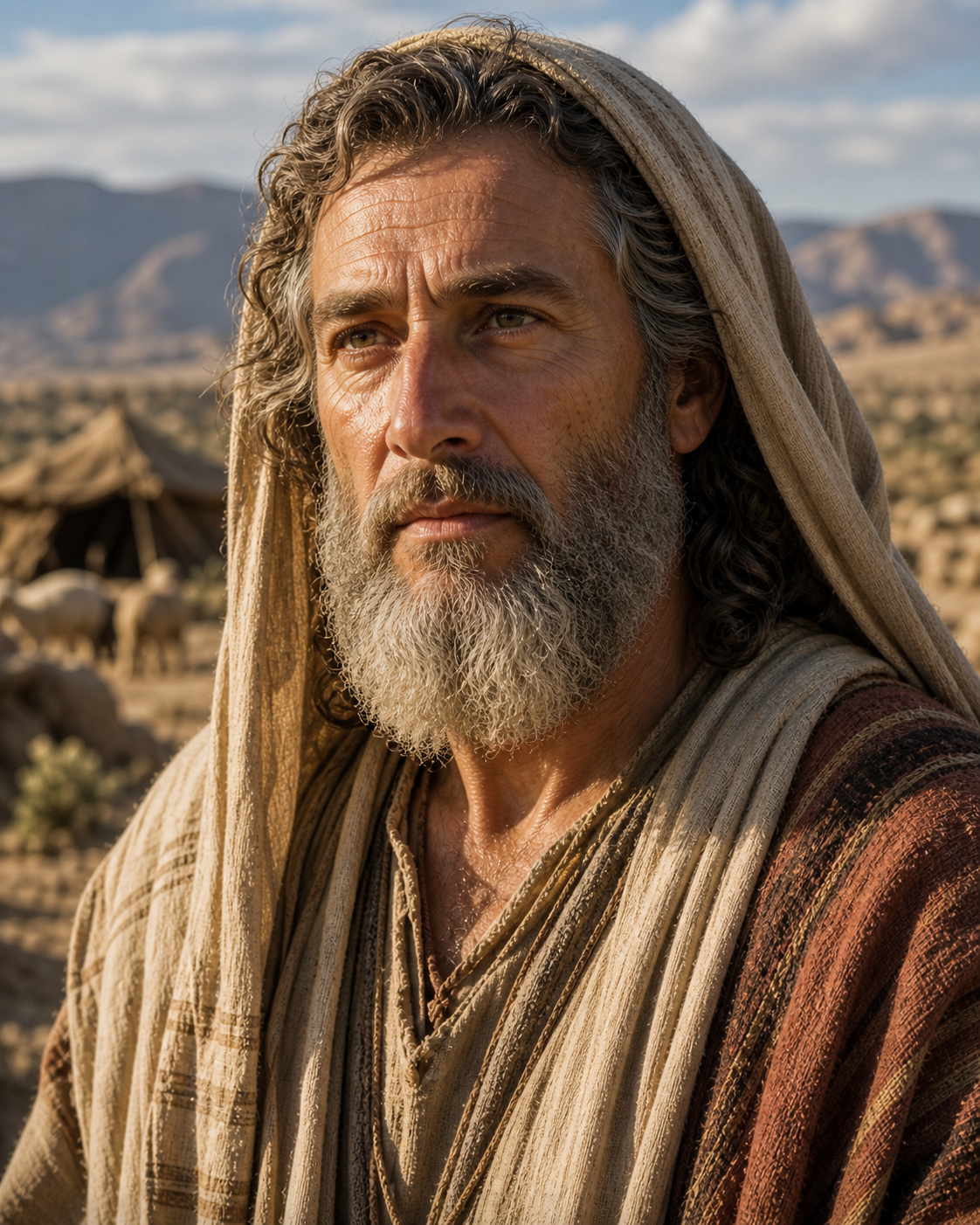
Abram · Father of a multitude
Originally Abram of Ur; called by Yahweh to leave his homeland and become a great nation. Renamed Abraham ('father of a multitude') at the institution of circumcision. Father of Ishmael by Hagar and of Isaac by Sarah, through whom the covenant line continued.

The Man
First human, formed from the dust of the ground; placed in Eden with his wife Eve. After the fall, he became the progenitor of all humanity through his sons Cain, Abel, and Seth.
Son of Jotham; king of Judah ca. 735–715 BC. Sacrificed his sons in the fire; burned incense at the high places. Submitted to Tiglath-pileser III of Assyria for protection from the Syro-Ephraimite alliance. Recipient of Isaiah's Immanuel prophecy (Isaiah 7).
Son of Ram; father of Nahshon, the prince of Judah in the wilderness, and of Elisheba, wife of Aaron the high priest.
Son of Manasseh; king of Judah ca. 642–640 BC. Continued his father's idolatry without his repentance; assassinated in his palace after two years.
Arpachshad · Arphachshad
Son of Shem, born two years after the Flood. Father of Shelah (per the Masoretic text) or of Cainan (per the Septuagint and Luke 3:36).
Son of Abijah; king of Judah ca. 911–870 BC. Reformer who removed idols and the male cult prostitutes; relied on foreign alliance with Aram in his later years and was rebuked by the seer Hanani. Reigned forty-one years.
Bath-shua (1 Chr 3:5)
Daughter of Eliam (= Ammiel?); wife of Uriah the Hittite, then of David. First child by David died in infancy. Mother of Solomon. Helped secure Solomon's succession over Adonijah. Named in Matthew 1:6 as 'her of Uriah'.
Wealthy Bethlehemite of Judah; son of Salmon and Rahab. Acted as kinsman-redeemer for Naomi, marrying Ruth and fathering Obed. Pillar of the temple Jachin/Boaz named for him.
Kenan (Septuagint)
A figure attested in the Septuagint (Genesis 11:13 LXX) and in Luke 3:36 between Arphaxad and Shelah. Absent from the Masoretic Hebrew text and from 1 Chronicles 1:18 MT. Distinct from the earlier Sethite Kenan, son of Enosh.
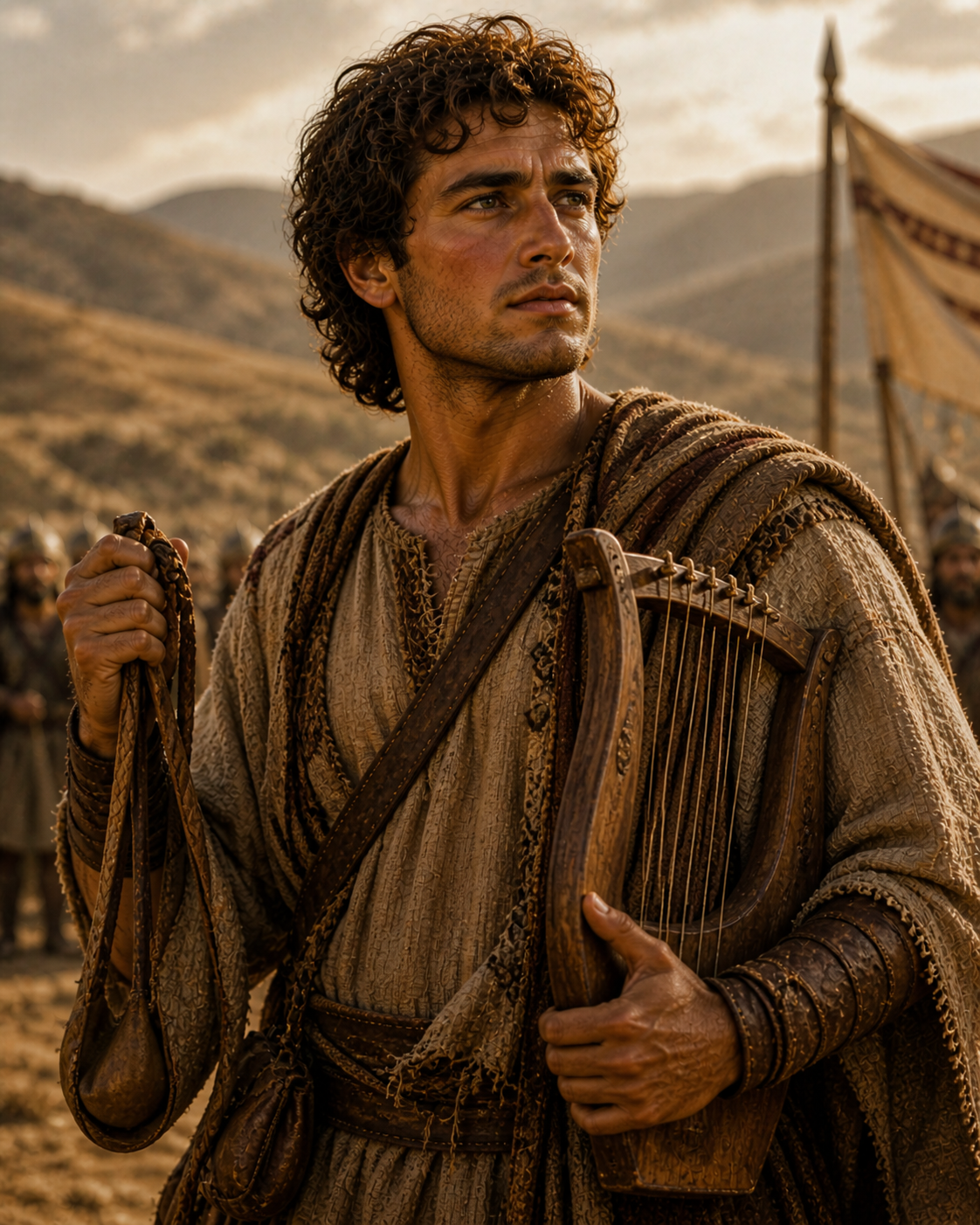
Eighth son of Jesse; anointed by Samuel as king. Killed Goliath; persecuted by Saul; reigned seven years over Judah at Hebron, then thirty-three years over all Israel from Jerusalem. Established Jerusalem as the capital and brought the ark there. Recipient of the everlasting covenant of dynasty (2 Samuel 7). Author of many psalms. Sinned with Bathsheba and against Uriah; repented (Psalm 51). Father of Solomon, Absalom, and many others. The 'man after Yahweh's own heart'.
Heber
Son of Shelah; father of Peleg and Joktan. Traditionally linked to the name 'Hebrew' as the eponymous ancestor of the Hebrews.
Henoch
Seventh from Adam through the Sethite line; 'walked with God', and after 365 years 'was not, for God took him' — the only antediluvian who did not die. Father of Methuselah. Distinct from Cain's son Enoch.
Enos
Son of Seth; in his days people began to call upon the name of Yahweh. Father of Kenan.

Chavah · Hawwah · Mother of all living
The first woman, formed from Adam's side; named 'Eve' because she would be the mother of all living. Mother of Cain, Abel, and Seth, with other unnamed sons and daughters.
Father of Joseph per Luke 3:23. Tradition (and most modern conservative interpretation) takes Heli as the father of Mary, with Joseph called his son by marriage; Matthew gives Joseph's biological father as Jacob (Matt 1:16).
Son of Ahaz; king of Judah ca. 715–686 BC. One of Judah's three best kings (with David and Josiah). Removed the high places; trusted Yahweh against Sennacherib of Assyria, who lost 185,000 in one night. Granted fifteen extra years of life after a fatal illness. Reigned twenty-nine years.
Son of Perez; father of Jerahmeel, Ram, and Caleb (Chelubai). Through Ram, ancestor of David. Distinct from Hezron son of Reuben.
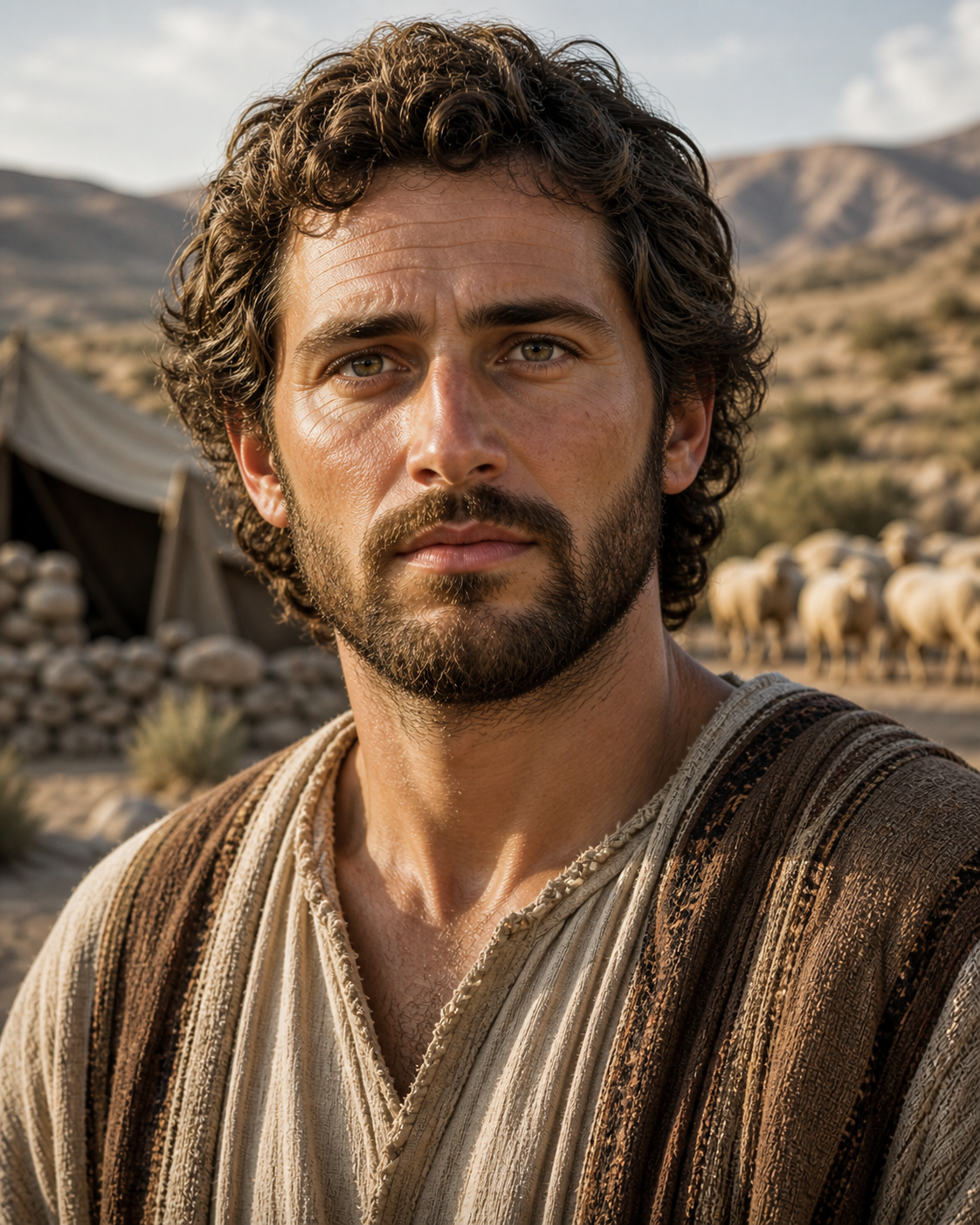
Yitzchak · He laughs
Only son of Abraham and Sarah, born when Abraham was 100 and Sarah 90. The promised son through whom Yahweh's covenant would continue. Bound by his father at Moriah but spared by divine substitute. Father of Esau and Jacob.
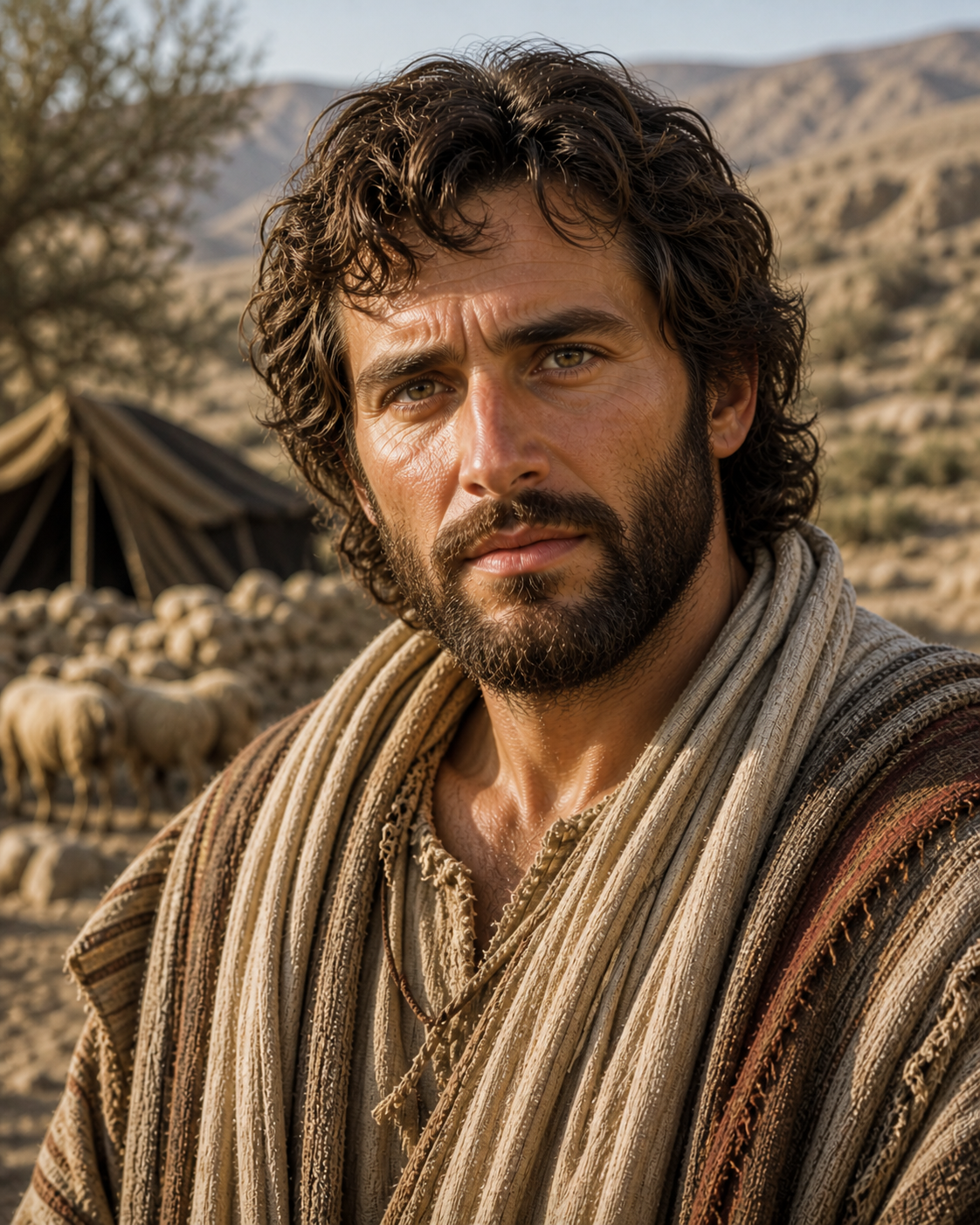
Israel · Yaakov · Heel-grabber
Younger twin of Esau; obtained the birthright and blessing. Fled to Paddan-Aram; served Laban twenty years and married Leah and Rachel (and their handmaids Bilhah and Zilpah). Wrestled with the Angel of Yahweh and was renamed Israel ('he strives with God'). Father of the twelve tribes of Israel.
Per Matthew 1:16, the biological father of Joseph the husband of Mary. Distinct from the patriarch Jacob.
Son of Mahalalel, father of Enoch.
Coniah · Jeconiah
Son of Jehoiakim; reigned three months in 597 BC before surrendering to Nebuchadnezzar and being deported to Babylon. Released from prison thirty-seven years later by Evil-merodach. Recipient of Jeremiah's curse that none of his offspring would prosper on David's throne (Jeremiah 22:30); appears in both Matthean and (debated) other genealogies.
Eliakim
Son of Josiah; king of Judah 609–598 BC, installed by Pharaoh Necho. Burned Jeremiah's scroll. Killed Uriah the prophet. Vassal of Babylon, then rebelled. Died as Nebuchadnezzar arrived; his body 'cast forth beyond the gates' (Jer 22:19). Some traditions count him in Matt 1's omission.
Joram
Son of Jehoshaphat; king of Judah ca. 848–841 BC. Married Athaliah daughter of Ahab; killed his six brothers; walked in the way of the kings of Israel. Died of a horrible bowel disease as Elijah had foretold. Reigned eight years. Distinct from his contemporary Joram of Israel.
Son of Asa; king of Judah ca. 870–848 BC. Walked in the ways of David; sent Levites to teach the law throughout Judah. Allied unwisely with Ahab of Israel; rebuked by Jehu son of Hanani. Defeated Moab and Ammon by song and faith. Reigned twenty-five years.
Son of Obed; Bethlehemite of Judah; father of David and seven other sons. The 'stump of Jesse' from which the messianic shoot would arise (Isaiah 11:1).
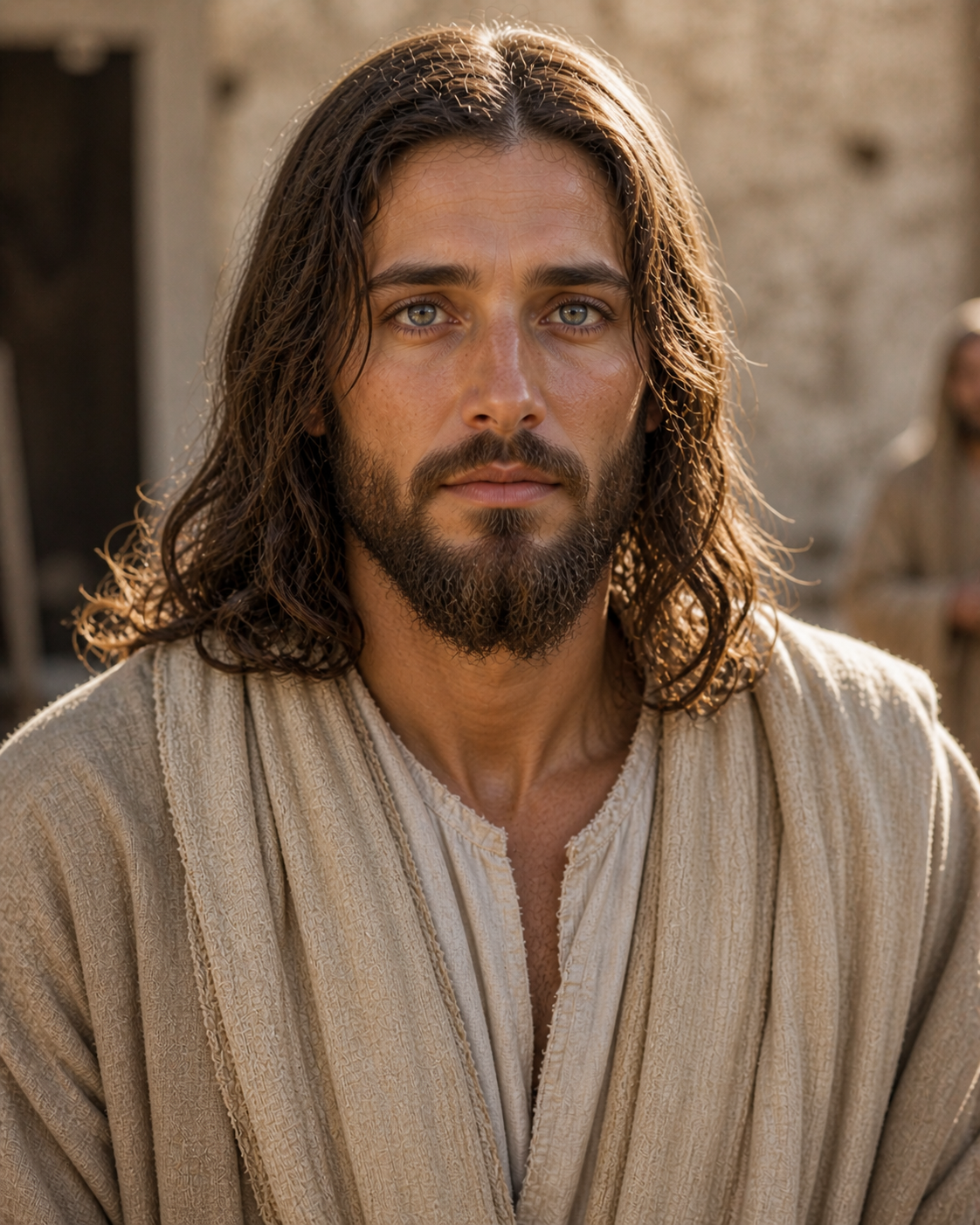
Yeshua · Jesus Christ · The Messiah
Born to the virgin Mary in Bethlehem; raised in Nazareth. Began public ministry at about thirty after his baptism by John. Proclaimed the kingdom of God; healed, taught, gathered twelve disciples. Crucified under Pontius Pilate at Jerusalem, ca. AD 30 or 33. Rose bodily on the third day; appeared to many over forty days; ascended. The Christian confession is that he is the eternal Son of God incarnate, Messiah of Israel, Lord and Savior of the world.
Davidic carpenter of Nazareth; betrothed and then married to Mary. Received divine assurance in dreams to take Mary as wife and to flee with the family to Egypt. Legal father of Jesus, securing his place in the Davidic line. Last mentioned in scripture during the Jerusalem visit when Jesus was twelve. Distinct from Joseph the patriarch and other Josephs.
Son of Amon; king of Judah ca. 640–609 BC. Began reforms at sixteen; the Book of the Law was rediscovered in the temple in his eighteenth year, prompting national repentance. Killed at Megiddo trying to halt Pharaoh Necho. Reigned thirty-one years.
Son of Uzziah; king of Judah ca. 750–732 BC (co-regent for many years during Uzziah's leprosy). Built the upper gate of the temple; subdued the Ammonites; did right in the eyes of Yahweh.
Fourth son of Jacob and Leah; founder of the royal tribe of Judah from which David and Christ descend. Suggested selling Joseph; later interceded for Benjamin. Father of Perez through Tamar.
Cainan
Son of Enosh, father of Mahalalel.
Son of Methuselah; father of Noah, whom he prophetically named ('this one will give us comfort'). Distinct from the Cainite Lamech.
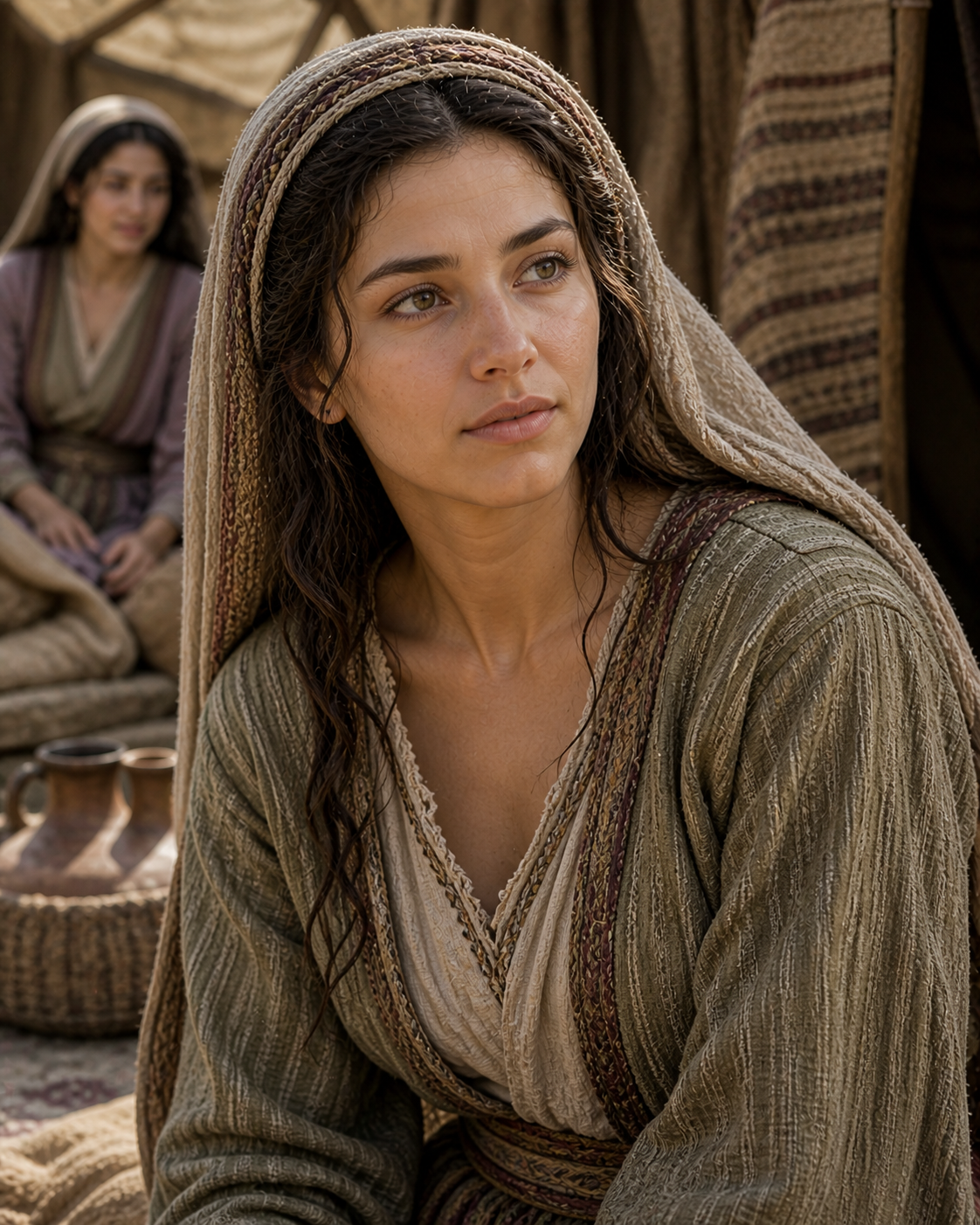
Elder daughter of Laban; given to Jacob through deception in place of Rachel. Mother of six of Jacob's sons (Reuben, Simeon, Levi, Judah, Issachar, Zebulun) and of his only named daughter Dinah. Buried in the cave of Machpelah.
Maleleel
Son of Kenan, father of Jared.
Son of Hezekiah; king of Judah ca. 697–642 BC. Most evil king of Judah; rebuilt high places, set an Asherah pole in the temple, sacrificed his sons. Captured by the Assyrians, repented in exile, and was restored. Reigned fifty-five years, longest of any Judahite king. Distinct from Manasseh son of Joseph.
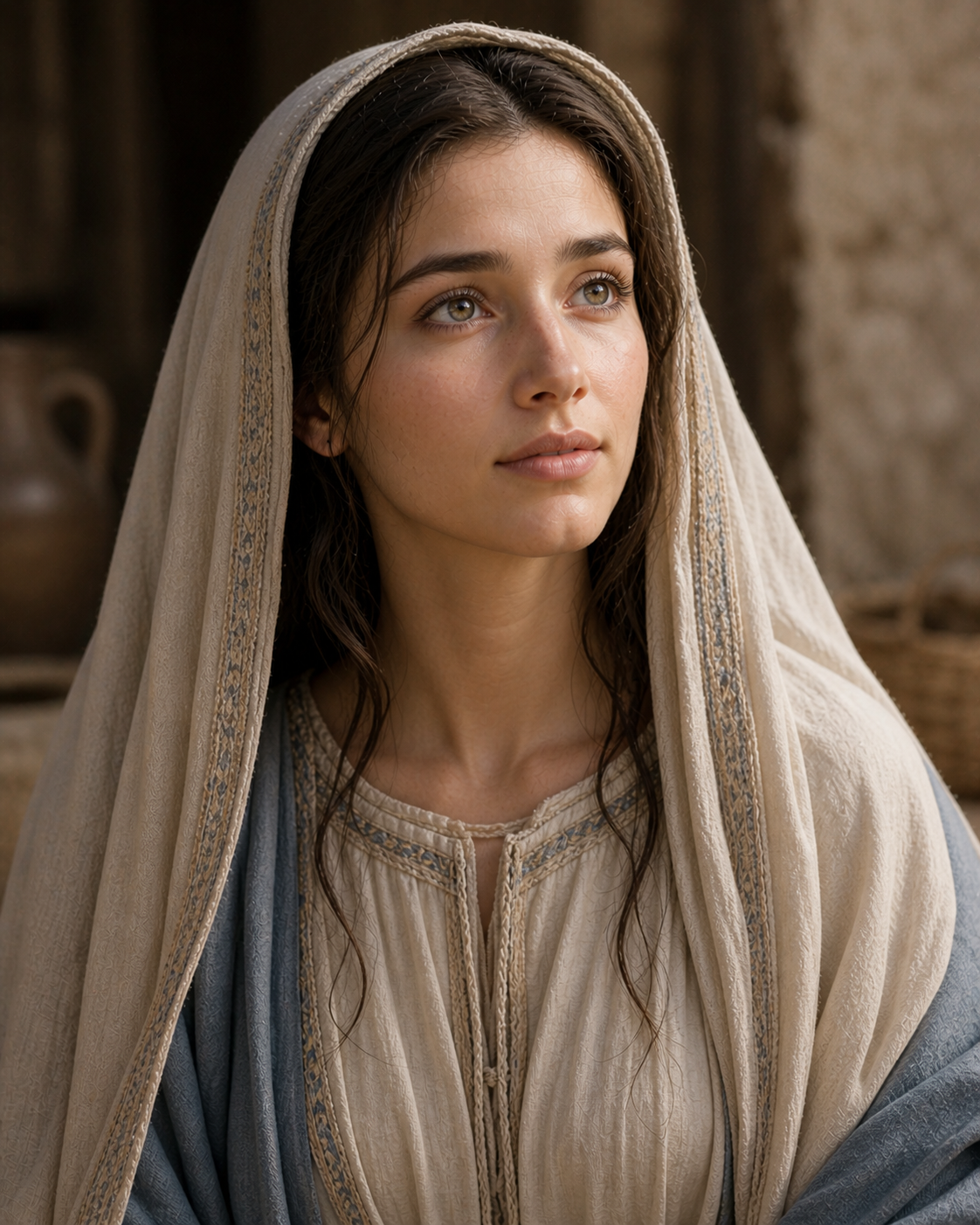
Miriam · Maryam · The Virgin
Davidic virgin of Nazareth; betrothed to Joseph. Conceived Jesus by the Holy Spirit. Sang the Magnificat. Pondered the events of Jesus' birth and ministry. Stood at the cross where Jesus committed her to John. Present in the upper room at Pentecost. Distinct from Mary Magdalene, Mary of Bethany, and Mary of Clopas.
Father of Jacob and grandfather of Joseph the husband of Mary, per Matthew 1:15.
Father of Heli per Luke 3:24 (or grandfather depending on textual variant); intertestamental Davidic ancestor of Mary.
Son of Enoch, longest-lived person recorded in scripture (969 years). Died in the year of the Flood per the chronology of Genesis 5 + 7:6.
Son of Serug; father of Terah and grandfather of Abraham. Distinct from his namesake grandson, Abraham's brother.
Son of Amminadab; prince of the tribe of Judah during the wilderness wandering. Brother-in-law of Aaron through his sister Elisheba. Father of Salmon.
Son of David and Bathsheba; ancestor of Mary the mother of Jesus per Luke 3:31. Distinct from Nathan the prophet.
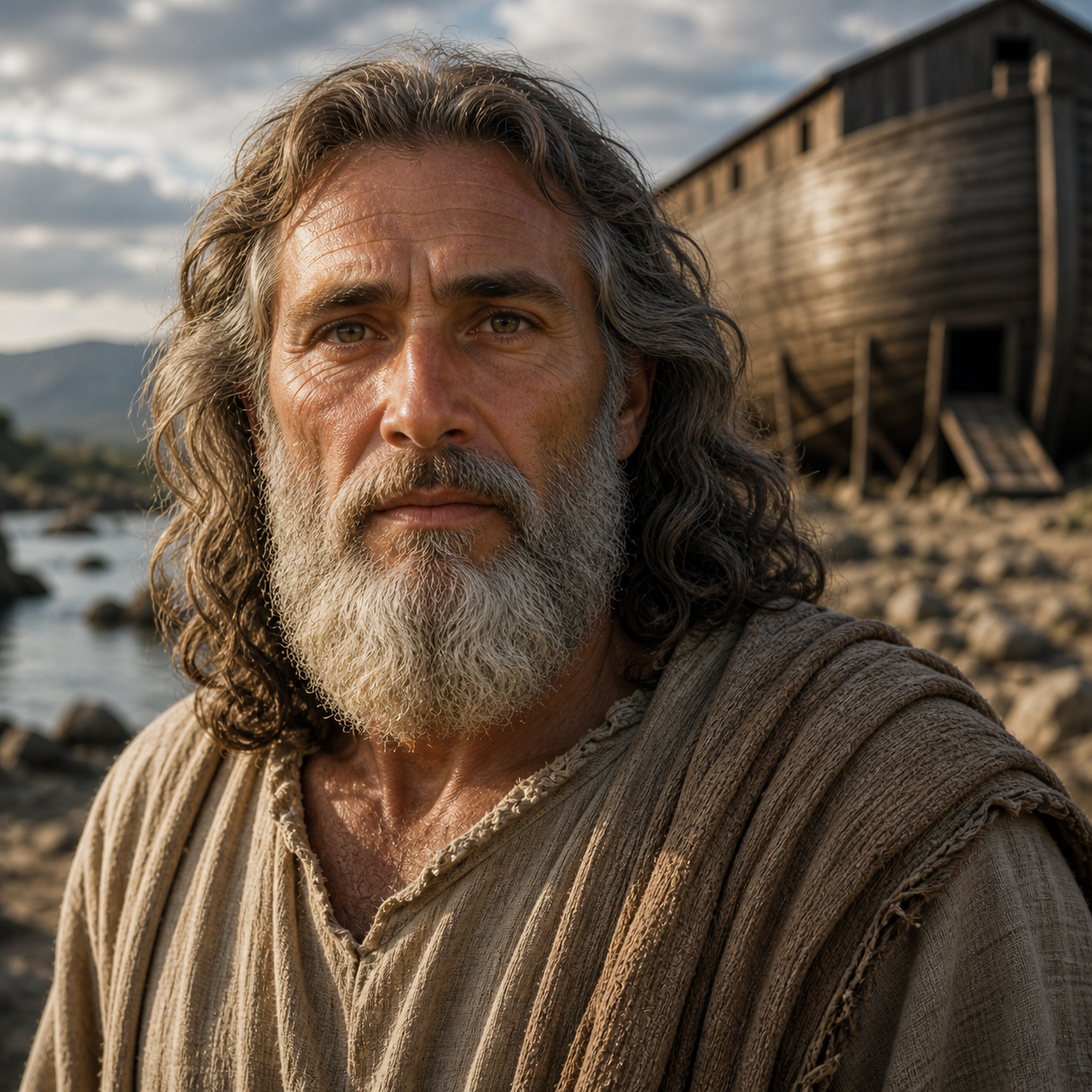
Tenth from Adam; found favor in Yahweh's eyes amid universal corruption. Built the ark by divine command, preserving his family and the animal kinds through the Flood. Through his three sons Shem, Ham, and Japheth, all post-flood humanity descends.
Son of Boaz and Ruth; father of Jesse and grandfather of David. Distinct from other figures of the same name.
Phalec
Son of Eber; named because 'in his days the earth was divided' — traditionally connected to the dispersion at Babel.
Pharez · Phares
Twin son of Judah and Tamar; ancestor of David and through him of Christ. Named because he 'broke through' (his brother Zerah had put out a hand first but Perez was born first).
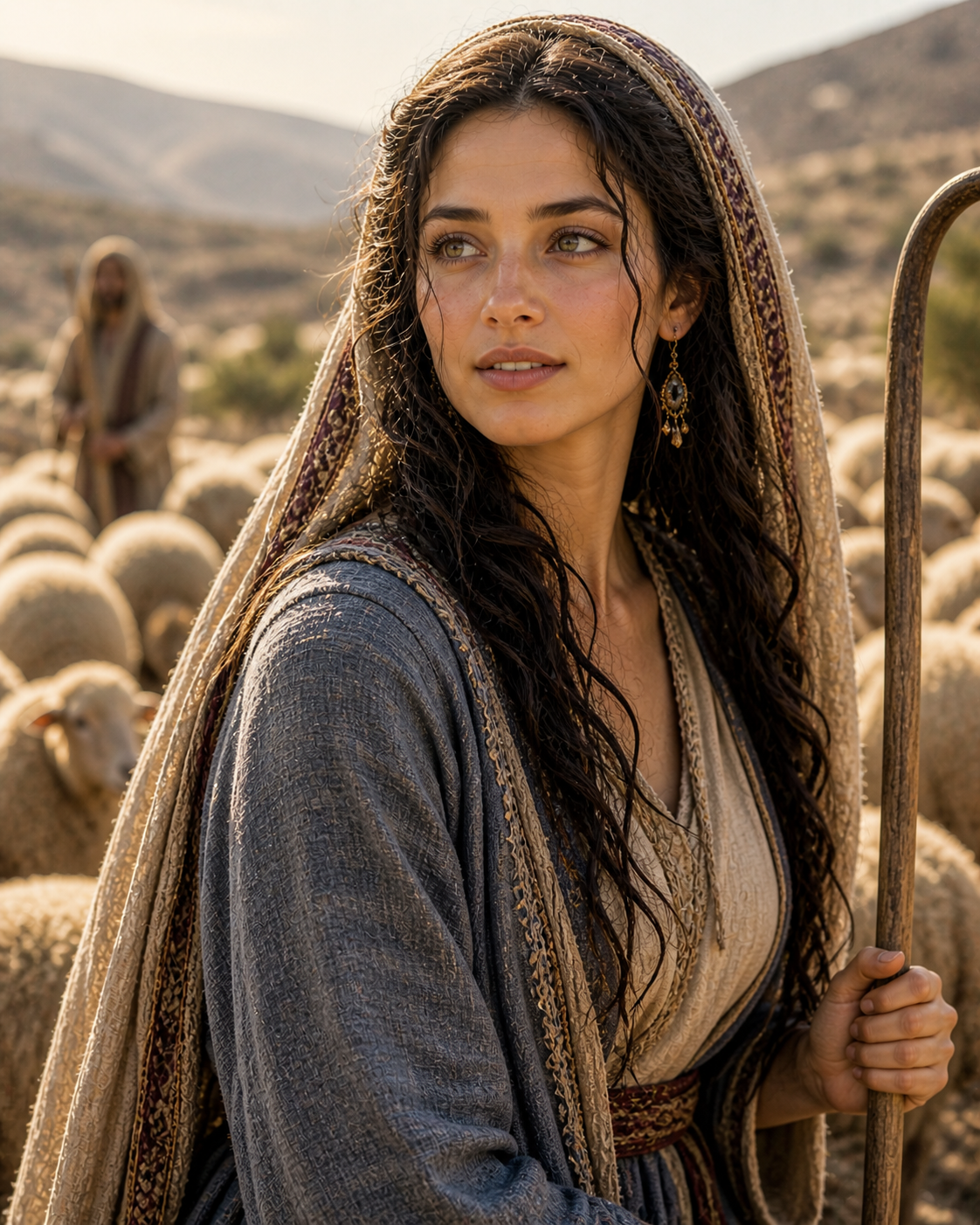
Younger daughter of Laban; the wife Jacob loved. Mother of Joseph and Benjamin; died giving birth to Benjamin and was buried near Bethlehem.
Canaanite of Jericho; harbored the two Israelite spies and confessed Yahweh as God in heaven and on earth. Spared at the destruction of Jericho. Per Matthew 1:5, became the wife of Salmon and mother of Boaz; thus an ancestress of David and Christ.
Aram (Matthew 1:3 Greek) · Arni (some Lukan manuscripts)
Son of Hezron, father of Amminadab; ancestor of David and Christ. Distinct from other figures named Ram (e.g. brother of Jerahmeel).
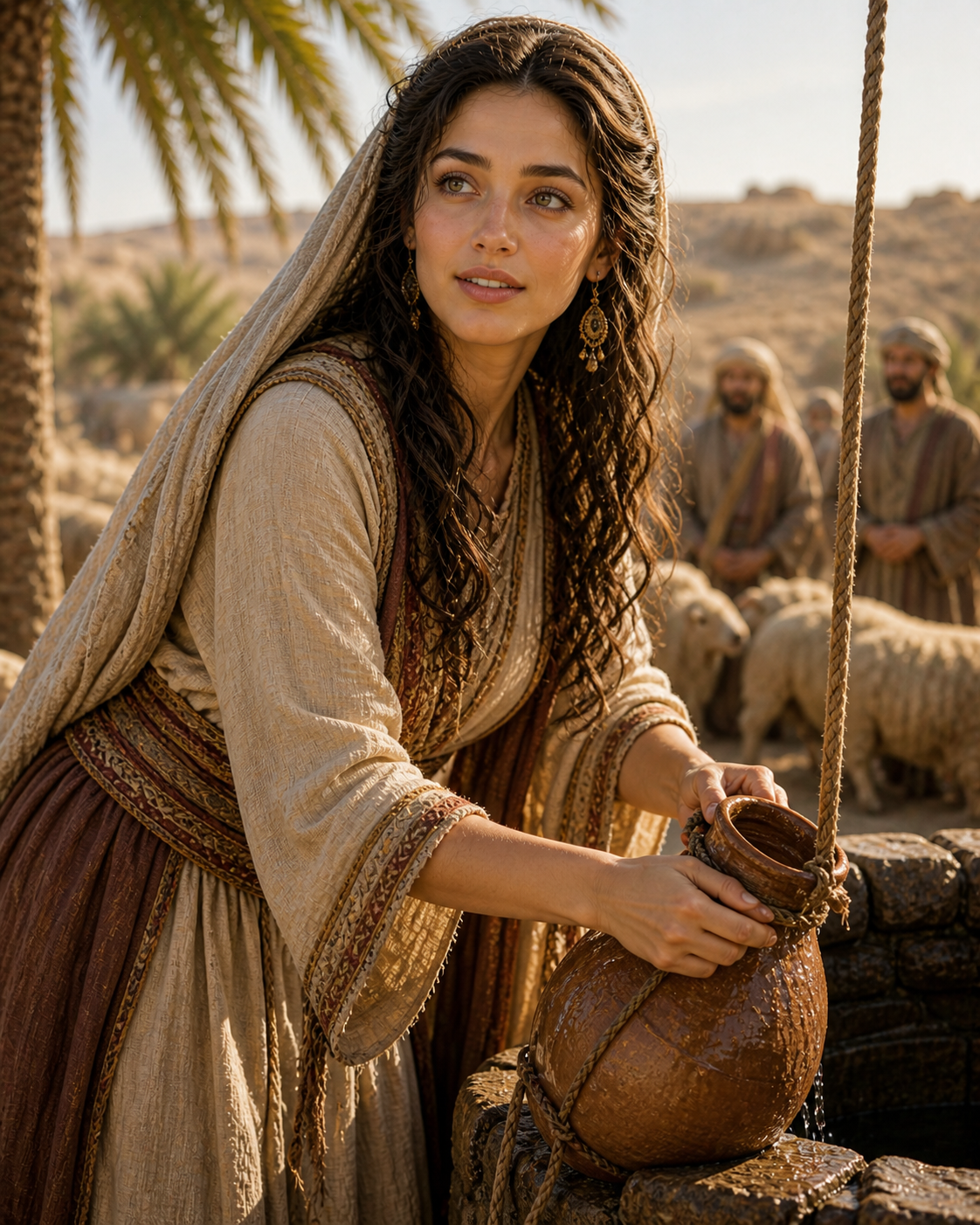
Rivkah
Daughter of Bethuel, sister of Laban; betrothed to Isaac through the providential journey of Abraham's servant. Mother of Esau and Jacob; received the oracle that 'the elder shall serve the younger'. Engineered Jacob's reception of the patriarchal blessing.
Son of Solomon and Naamah; king of Judah ca. 931–913 BC. Rejected the elders' counsel to lighten the tax burden, prompting the secession of the ten northern tribes under Jeroboam. Reigned seventeen years in Jerusalem.
Ragau
Son of Peleg; father of Serug.
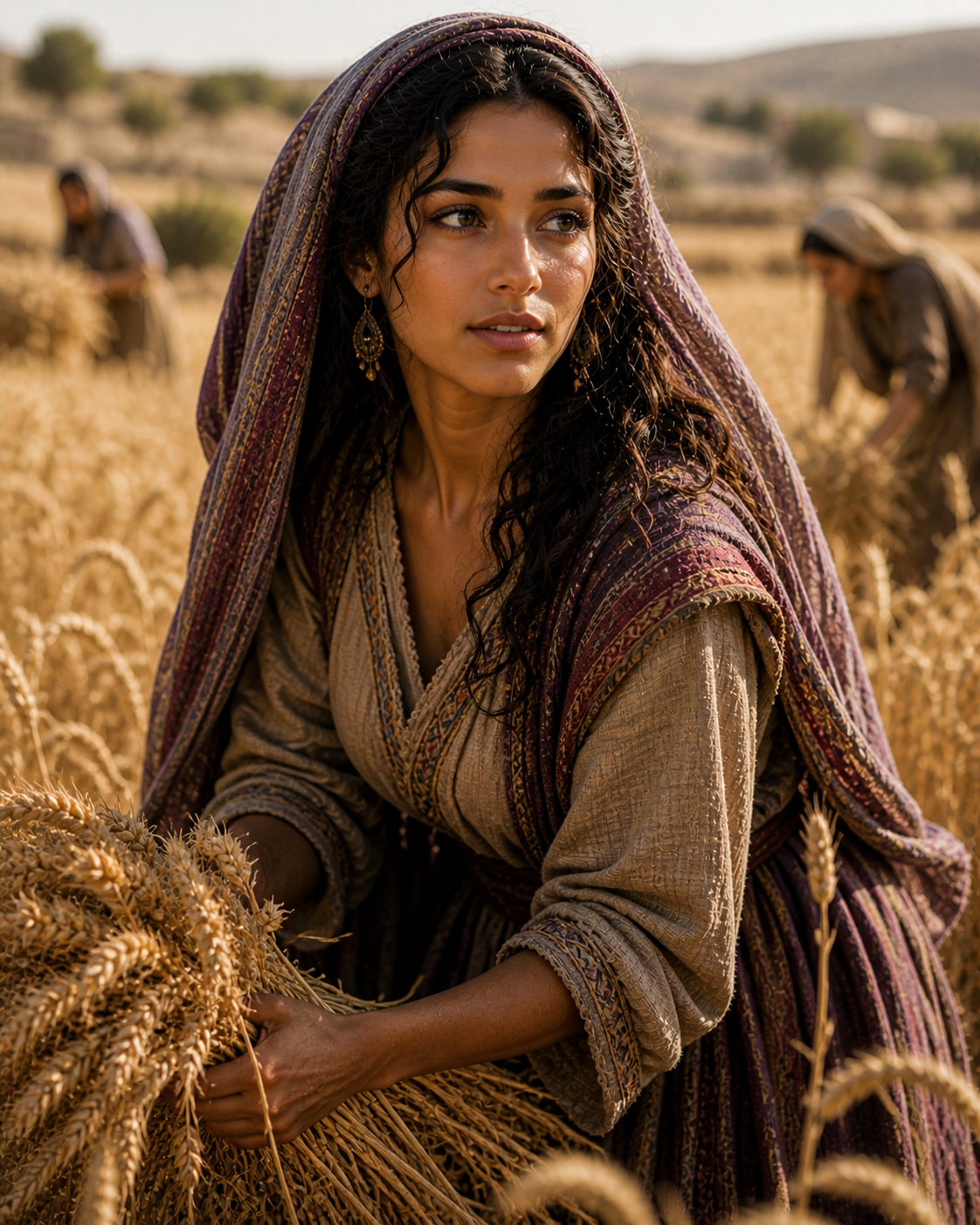
Moabite widow of Mahlon; refused to leave Naomi ('whither thou goest, I will go'). Married Boaz under the levirate principle and bore Obed, grandfather of David. Named in Matthew 1:5.
Salma · Sala (Luke 3:32)
Son of Nahshon; husband of Rahab the Canaanite (per Matthew 1:5) and father of Boaz. Lived during the conquest of Canaan.
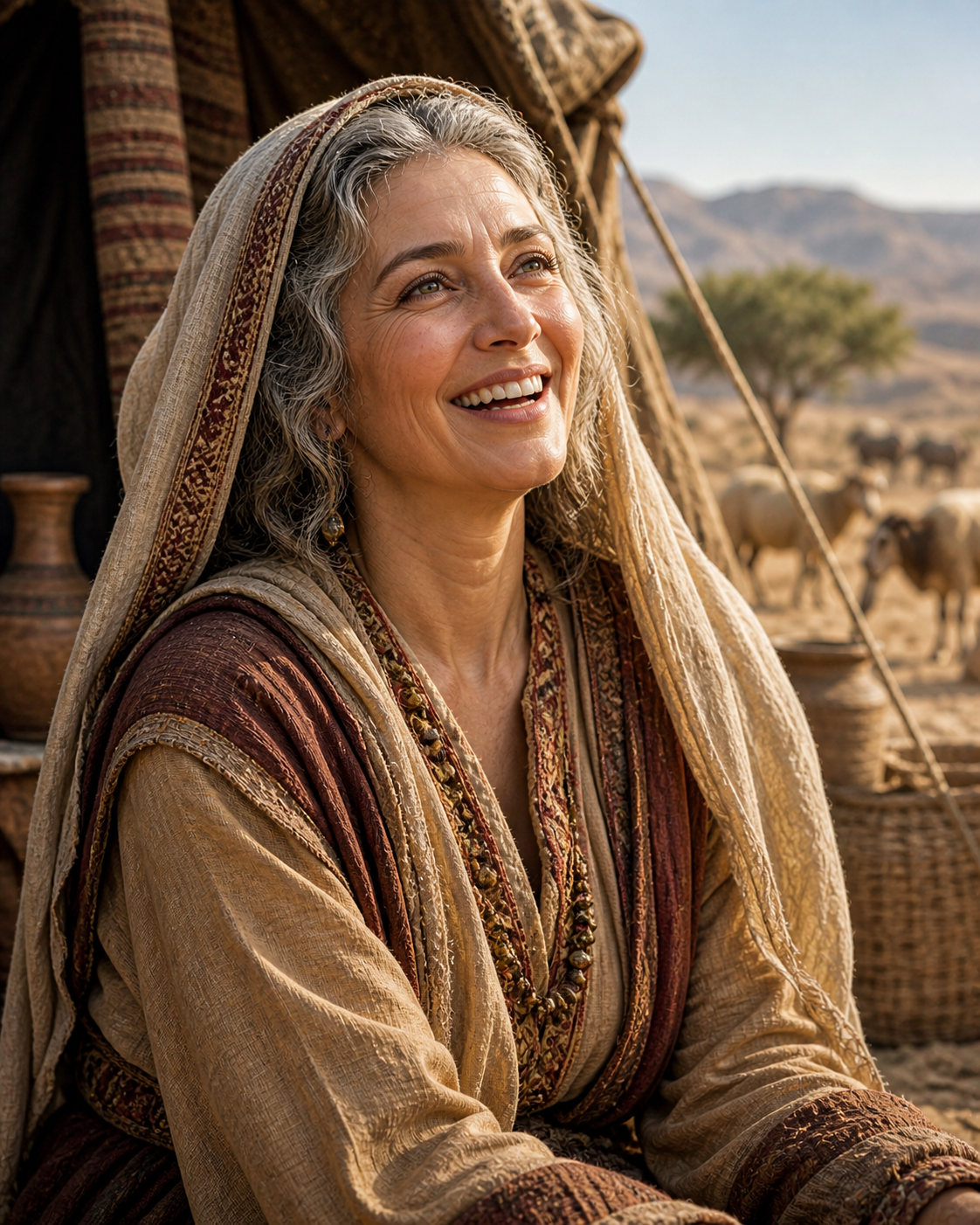
Sarai · Princess
Wife and half-sister of Abraham (same father, different mother). Originally Sarai; renamed Sarah ('princess') at age 90 with the promise of Isaac. Mother of Isaac. The only woman whose age at death is recorded in the Hebrew Bible (127 years).
Saruch
Son of Reu; father of Nahor (the elder).
Third named son of Adam and Eve, born after Abel's death; the line through whom the godly seed continued. Father of Enosh.
Salathiel
Son of Jehoiachin (Jeconiah) per Matthew 1:12 and 1 Chronicles 3:17; father (or adoptive father) of Zerubbabel. The link between the pre-exilic and post-exilic Davidic line.
Salah · Sala
Son of Arphaxad (MT) or of Cainan (LXX/Luke); father of Eber.
Son of Noah; ancestor of the Semitic peoples and of the line that culminates in Abraham. Lived 600 years and saw nine generations of his descendants.
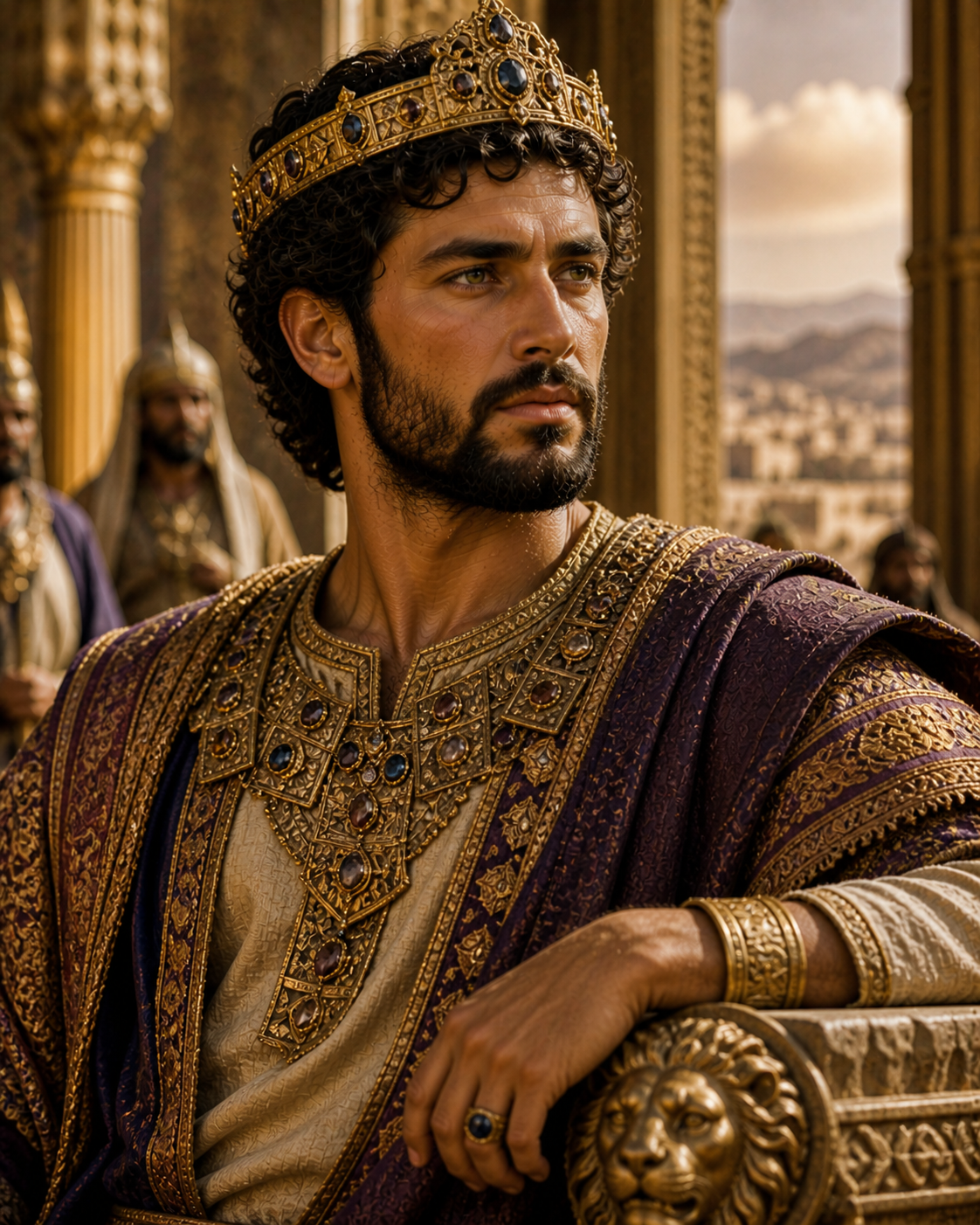
Shlomo · Jedidiah
Son of David and Bathsheba; reigned forty years over the united kingdom. Asked Yahweh for wisdom and was given riches and fame as well. Built the first Jerusalem temple. Author of Proverbs (much), Ecclesiastes (per tradition), and Song of Songs. His many foreign wives turned his heart in old age, leading to the prophesied division of the kingdom under his son Rehoboam.
Widow of Er and Onan; denied the levirate marriage to Shelah, she disguised herself as a prostitute and conceived twins by her father-in-law Judah. Mother of Perez, through whom David and Christ descend. Named in Matthew 1:3.
Thara
Son of Nahor; father of Abram, Nahor (the younger), and Haran. Departed Ur of the Chaldeans for Canaan but settled in Haran, where he died at 205. According to Joshua 24:2, served other gods.
Azariah
Son of Amaziah; king of Judah ca. 792–740 BC (long co-regency with father). One of Judah's most successful kings: defeated Philistines, Arabs, and Ammonites; rebuilt cities; strengthened the army. Struck with leprosy after presuming to burn incense in the temple; co-regent with his son Jotham thereafter. Year of his death is the year of Isaiah's vision (Isaiah 6).
Son of Shealtiel (or of Pedaiah per 1 Chr 3:19); Davidic governor of Judah after the return from Babylon under Cyrus 538 BC. Led the rebuilding of the second temple, completed in 516 BC. Recipient of the signet-ring oracle of Haggai 2:23. Appears in both Matthean and Lukan genealogies.
Curation status: Primeval (Genesis 1–11), patriarchs (Genesis 12–50), Exodus/Numbers, Joshua/Judges/Ruth, the united and divided monarchies (Saul, David, all kings of Judah and Israel), the writing prophets, post-exilic figures (Zerubbabel, Ezra, Nehemiah, Esther), the Holy Family, John the Baptist, the Twelve, and the early apostolic generation are all in. 2,781figures curated so far. The remaining named biblical figures (priestly genealogies in 1 Chronicles, the post-exile lists in Ezra/Nehemiah, the obscure persons in Acts and the epistles) are pending. Every claim is rigorously sourced; gaps mean “not yet curated”, not “not in scripture”.