
Every named figure.
Lifespans, relatives, and scripture references. Every claim is traceable; tradition tags surface where readings differ.
169 of 2,781 curated matching the active filters.
Second son of Aaron; offered 'strange fire' with his brother Nadab and was consumed. Like Nadab, died childless.
Head of the eighth priestly course; the course of Zechariah the father of John the Baptist (Luke 1:5).
Priest of the family of Abijah (eighth priestly course; the course of Zechariah father of John the Baptist) who returned with Zerubbabel.
Son of Phinehas in the high-priestly genealogy.
Post-exilic priest; son of Jeroham son of Pashhur son of Malchijah (1 Chronicles 9:12).
Priest in Jerusalem; descendant of Malchijah (Nehemiah 11:12). Distinct from many other Adaiahs.
Father of Maasai the post-exilic priest. Distinct from Adiel the Simeonite chief and Adiel father of David's treasurer.
Head of the priestly family of Harim in Joiakim's day (Nehemiah 12:15).
Son of Zadok the priest; ran from the camp to bring David news of Absalom's defeat (2 Samuel 18). Outran the Cushite. Distinct from Ahimaaz father of Ahinoam.
Son of Amariah in the late-monarchic high-priestly genealogy. Distinct from the earlier Ahitub father of David's Zadok.
Son of Amariah and father of Zadok the priest of David and Solomon. Distinct from Ahitub son of Phinehas brother of Ichabod (1 Samuel 14:3, 22:9), the priest of Eli's line.
One of the high-priestly family present at the Sanhedrin trial of Peter and John (Acts 4:6). Distinct from Alexander the coppersmith, Alexander son of Simon of Cyrene, Alexander the Ephesian Jew of Acts 19:33, and Alexander the false teacher.
Son of Azariah; possibly the Amariah whom Jehoshaphat set as chief priest over religious matters (2 Chronicles 19:11).
Priest who returned with Zerubbabel and Jeshua (Nehemiah 12:2). Father of Jehohanan of Joiakim's generation.
Son of Meraioth and father of Ahitub in the high-priestly genealogy. Multiple priestly Amariahs appear; this is the elder one.
Priest serving in Jerusalem (Nehemiah 11:13); 1 Chronicles 9:12 names a parallel figure Maasai son of Adiel.
Priest who returned with Zerubbabel; his son Eber led the family in Joiakim's day.
Son of Hilkiah; father of Seraiah the high priest. Late-monarchic priestly Azariah.
Son of Johanan; the chronicler notes 'it is he that executed the priest's office in the temple that Solomon built in Jerusalem' (1 Chronicles 6:10). Possibly identical with the Azariah who confronted king Uzziah (2 Chronicles 26:17-20), though dating is debated.
Son of Ahimaaz; great-grandson of Zadok. Officiated in the temple Solomon built. One of several priestly Azariahs in the line.
Chief priest in the house of God after the return; son of Hilkiah son of Meshullam son of Zadok son of Meraioth son of Ahitub. Distinct from many other Azariahs.
Priest under Solomon; named first in Solomon's cabinet list (1 Kings 4:2). Probably the same Azariah listed in 1 Chronicles 6:9 as son of Ahimaaz son of Zadok, in which case 'son' here means grandson.
Head of the fifteenth priestly course.
Priest who returned with Zerubbabel (Nehemiah 12:5). Likely the contemporary representative of the priestly course of Bilgah.
Son of Abishua in the high-priestly genealogy.
Head of the family of Ithamar who came up with Ezra (Ezra 8:2). Distinct from Daniel the prophet and Daniel son of David.
Head of the priestly family of Amok in Joiakim's day (Nehemiah 12:20). Distinct from Eber descendant of Shem.
Priest of the sons of Pashhur who put away a foreign wife (Ezra 10:22). Distinct from Elasah son of Shaphan and Elasah son of Helez.
Of the sons of Pashhur (Ezra 10:22). Distinct from Elasah son of Shaphan (Jeremiah 29:3).
Priest who weighed the silver and gold with Meremoth and others when Ezra arrived in Jerusalem (Ezra 8:33). Distinct from Eleazar son of Aaron.
Priest who blew a trumpet at the wall dedication ceremony (Nehemiah 12:41). Distinct from Eliakim son of Hilkiah the steward of Hezekiah, Eliakim/Jehoiakim king of Judah, and Eliakim in the genealogy of Jesus.
Head of the eleventh priestly course. Distinct from the high priest Eliashib of Nehemiah's day.
Priest, son of Jeshua son of Jozadak, who put away a foreign wife (Ezra 10:18). Distinct from Eliezer son of Moses, Eliezer the Reubenite, Eliezer the prophet, and many others.
Brother of Maaseiah; priest of Jeshua's house who took a foreign wife (Ezra 10:18).
Priest of the sons of Harim who put away a foreign wife (Ezra 10:21). Distinct from Elijah the prophet and Elijah the Benjaminite.
Of the sons of Harim the priest (Ezra 10:21). Distinct from Elijah the prophet.
Priest who blew a trumpet at the wall dedication ceremony (Nehemiah 12:41). Distinct from Elioenai of David's line, Elioenai son of Pashhur, and Elioenai the gatekeeper.
Priest of the sons of Pashhur who put away a foreign wife (Ezra 10:22). Distinct from Elioenai of David's line, Elioenai the gatekeeper, and Elioenai of Simeon.
Of the sons of Pashhur; put away his foreign wife (Ezra 10:22).
Priest sent by Jehoshaphat to teach the law in Judah (2 Chronicles 17:8). Distinct from Elishama son of Ammihud, Elishama of David's house, and the secretary of Jehoiakim.
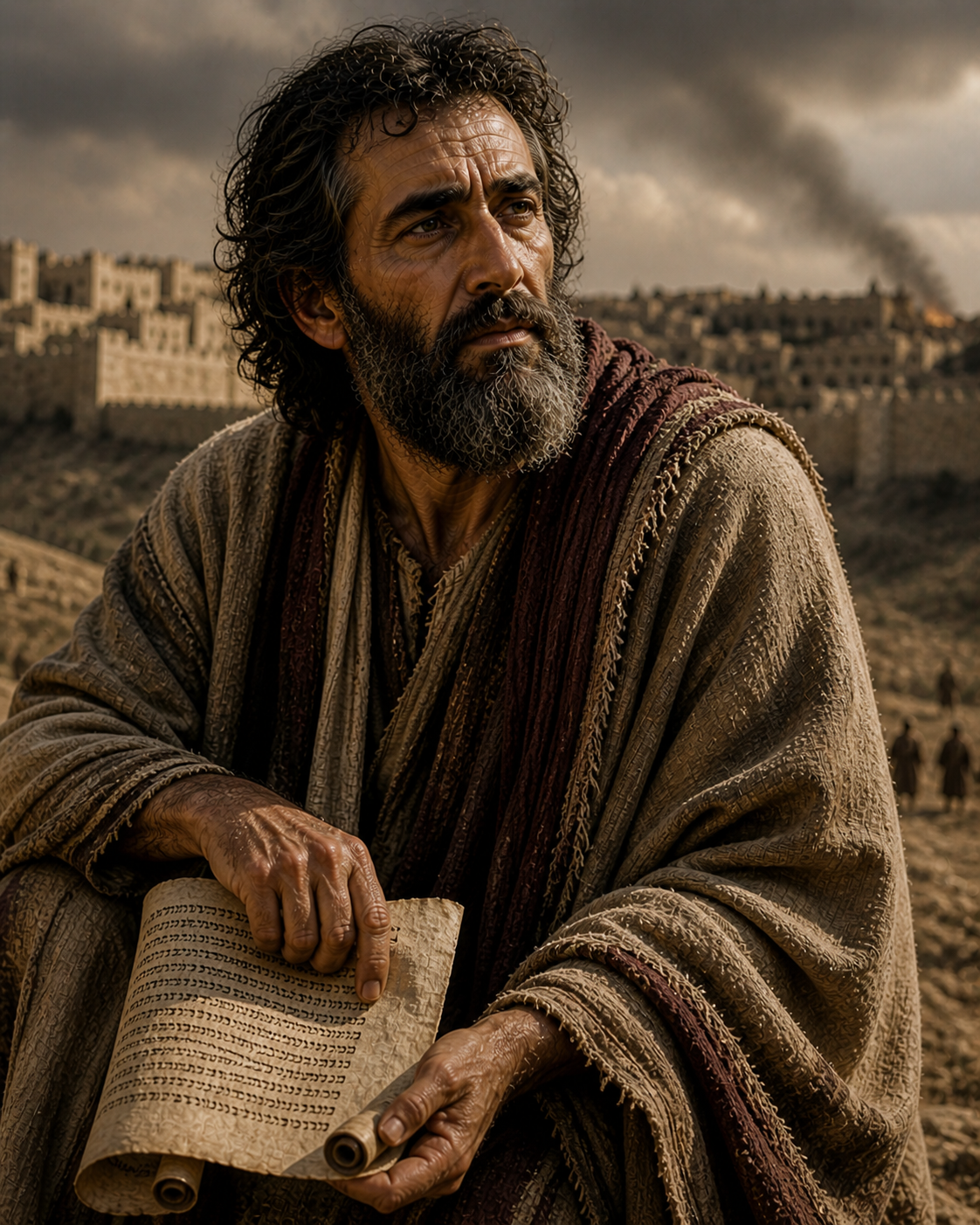
Son of Buzi the priest; deported to Babylon in 597 BC with Jehoiachin. Called as prophet in his thirtieth year (593 BC) by the river Chebar; ministered until at least 571 BC. Visions of the cherubim, the dry bones, and the new temple. Sign-acts of the brick, the hair, the refusal to mourn his wife.
Priest of the Aaronic line and scribe skilled in the law of Moses; led a second group of returnees in 458 BC. Dissolved the mixed marriages; read the Torah at the Water Gate (Nehemiah 8). Traditionally credited with the canonical work of the Hebrew scriptures.
Brother of Maaseiah of Jeshua's priestly house (Ezra 10:18). Distinct from Gedaliah son of Ahikam, governor of Judah.
Priest, son of Jeshua son of Jozadak, who put away a foreign wife (Ezra 10:18). Distinct from Gedaliah governor of Judah, Gedaliah the prophet, and others.
Head of the family of Phinehas who came up with Ezra (Ezra 8:2). Distinct from Gershom son of Moses and Gershon son of Levi.
Ginnethon (Nehemiah 10:6, 12:16)
Priest who returned with Zerubbabel; sealed Nehemiah's covenant; his son Meshullam led the family in Joiakim's day.
Head of the seventh priestly course. The 'sons of Hakkoz' could not produce their genealogy at the return and were excluded from the priesthood (Ezra 2:61, Nehemiah 7:63).
Of the sons of Immer; priest who put away his foreign wife (Ezra 10:20). Distinct from Hanani brother of Nehemiah and Hanani son of Immer the priest of Nehemiah 12.
Priest of the sons of Immer who put away a foreign wife (Ezra 10:20). Distinct from Hanani the brother of Nehemiah and Hanani the seer.
Priest who blew a trumpet at the wall dedication ceremony (Nehemiah 12:41). Distinct from Hananiah the false prophet, Hananiah governor of the citadel, and many other Hananiahs.
Head of the priestly family of Jeremiah in Joiakim's day (Nehemiah 12:12).
Head of the eighteenth priestly course.
Priest who sealed Nehemiah's covenant (Nehemiah 10:5). Likely the contemporary representative of the priestly course of Harim (1 Chronicles 24:8).
Head of the third priestly course. The 'sons of Harim' returned with Zerubbabel (Ezra 2:39, Nehemiah 7:42).
Head of the priestly family of Hilkiah in Joiakim's day (Nehemiah 12:21).
Priestly head listed among those who returned with Zerubbabel and Jeshua (Nehemiah 12:2). Distinct from Hattush son of Shemaiah of David's line (1 Chronicles 3:22; Ezra 8:2) and Hattush son of Hashabneiah, the wall-rebuilder (Nehemiah 3:10).
Head of the priestly family of Meraioth in Joiakim's day (Nehemiah 12:15).
Head of the seventeenth priestly course. Distinct from Hezir the leader who sealed the covenant (Nehemiah 10:20).
Son of Shallum; high priest under king Josiah. Found the Book of the Law in the temple during Josiah's reform. Father of the prophet Jeremiah per Jeremiah 1:1 (debated whether the same Hilkiah).
Priest who returned with Zerubbabel; his son Hashabiah led the family in Joiakim's day.
Son of Eli; took meat from sacrifices by force and lay with the women at the tabernacle door. Killed at Aphek when the ark was captured.
Head of the thirteenth priestly course.
Head of the sixteenth priestly course. The 'sons of Immer' returned with Zerubbabel; ancestor of Pashhur son of Immer who imprisoned Jeremiah.
Priest of the sons of Pashhur who put away a foreign wife (Ezra 10:22). Distinct from Ishmael son of Abraham, Ishmael son of Nethaniah, and others.
Of the sons of Pashhur (Ezra 10:22). Distinct from Ishmael son of Nethaniah and other Ishmaels.
Fourth son of Aaron; oversaw the Gershonites and Merarites in tabernacle service. Ancestor of the priestly division of Eli at Shiloh.
Head of the twenty-first priestly course. Distinct from Jachin the temple pillar.
Ahzai (Nehemiah 11:13)
Grandfather of Maasai the post-exilic priest (1 Chronicles 9:12); often equated with Ahzai of the Nehemiah 11 parallel.
Head of the twelfth priestly course.
Brother of Maaseiah of Jeshua's priestly house (Ezra 10:18).
Priest, son of Jeshua son of Jozadak, who put away a foreign wife (Ezra 10:18). Distinct from Jarib son of Simeon and Jarib the head of household sent for Levites.
Head of the second of the twenty-four priestly courses. Distinct from Jedaiah of the wall builders (Nehemiah 3:10).
Priest who returned with Zerubbabel (Nehemiah 12:6); his son Uzzi led the family in Joiakim's day. Distinct from Jedaiah the priestly course leader (1 Chronicles 24:7) and from Jedaiah of Nehemiah 12:7.
Second Jedaiah listed among the priests who returned with Zerubbabel (Nehemiah 12:7); his son Nethanel led the family in Joiakim's day.
Priest of the sons of Harim who put away a foreign wife (Ezra 10:21).
Of the sons of Harim the priest (Ezra 10:21).
Head of the priestly family of Amariah in Joiakim's day (Nehemiah 12:13).
Leader of the house of Aaron who brought 3,700 men to David at Hebron (1 Chronicles 12:27). Distinct from Jehoiada father of Benaiah and Jehoiada the high priest under Joash.
Head of the first of the twenty-four priestly courses ordained by David. Ancestor of the Maccabean family (1 Maccabees 2:1).
Head of the priestly family of Shemaiah in Joiakim's day (Nehemiah 12:18).
Priest sent by Jehoshaphat to teach the law in Judah (2 Chronicles 17:8). Distinct from Jehoram king of Judah and Jehoram king of Israel.
Jozadak · Josedech
Son of Seraiah; carried into Babylonian exile when Yahweh sent Judah away by the hand of Nebuchadnezzar. Father of Joshua the high priest of the post-exilic restoration.
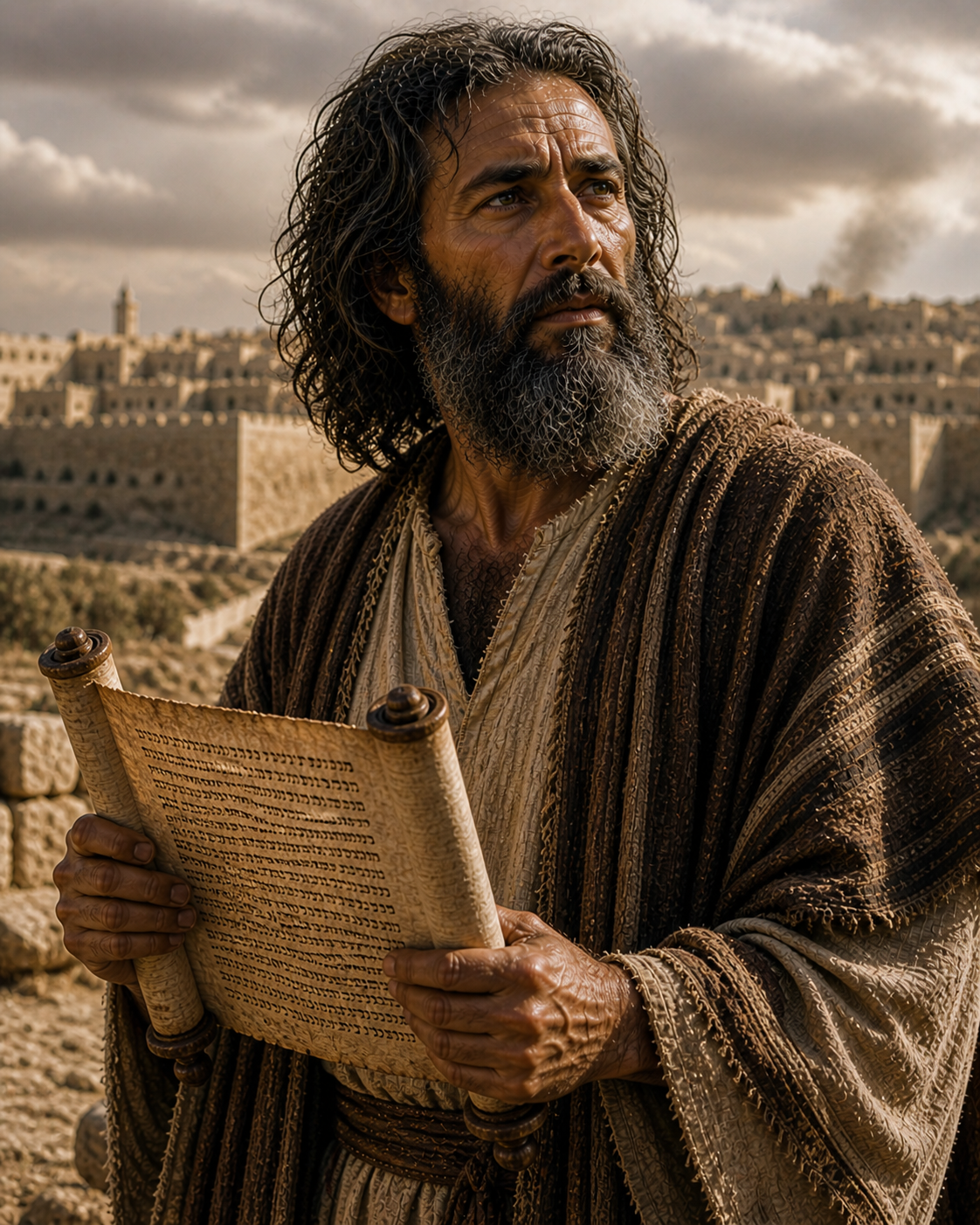
Son of Hilkiah of the priests at Anathoth; called from the womb. Prophesied 627–586 BC and into the exile. The 'weeping prophet'; counseled submission to Babylon and was imprisoned for treason. Witnessed Jerusalem's fall; carried into Egypt against his will and tradition says martyred there. Author of Jeremiah and Lamentations.
Priest who returned with Zerubbabel and Jeshua (Nehemiah 12:1). Father of Hananiah of Joiakim's generation. Distinct from Jeremiah the prophet.
Head of the fourteenth priestly course.
Head of the ninth priestly course. Distinct from Jeshua the high priest of the return.
Reuel · Hobab (per some readings)
Priest of Midian; father-in-law of Moses. Hosted Moses during his forty-year exile and gave him Zipporah in marriage. Counseled Moses to delegate judicial authority (Exodus 18). Called Reuel in Exodus 2:18 and Jethro from Exodus 3 onward.
Son of the elder Azariah in the high-priestly genealogy. Multiple Johanans appear in scripture; this is the priestly one of 1 Chronicles 6.
One of the high-priestly family who sat with Annas, Caiaphas, and Alexander when Peter and John were tried before the Sanhedrin (Acts 4:6). Distinct from John the Baptist, John the apostle, and John Mark.
Priest who returned with Zerubbabel; his son Mattenai led the family in Joiakim's day. Likely the contemporary representative of the priestly course of Jehoiarib.
Head of the priestly family of Malluch in Joiakim's day (Nehemiah 12:14).
Son of Abiathar; carried news from Jerusalem to David at Mahanaim during Absalom's revolt; brought word of Adonijah's failure at Solomon's anointing. Distinct from Jonathan son of Saul and other Jonathans.
Head of the priestly family of Shebaniah in Joiakim's day (Nehemiah 12:14).
Priest of the sons of Pashhur who put away a foreign wife (Ezra 10:22). Distinct from many other Jozabads.
Of the sons of Pashhur (Ezra 10:22). One of several Jozabads in the post-exilic period.
Head of the priestly family of Sallai in Joiakim's day (Nehemiah 12:20).
Moadiah (Nehemiah 12:17)
Priest who returned with Zerubbabel; his family was led by Piltai in Joiakim's day.
Post-exilic priest; son of Adiel son of Jahzerah son of Meshullam son of Meshillemith son of Immer.
Priest who blew a trumpet at the wall dedication ceremony (Nehemiah 12:41). Distinct from many other Maaseiahs (the priest of Jeshua, the gatekeeper, the wall-rebuilder, etc.).
Priest of the sons of Harim who put away a foreign wife (Ezra 10:21).
Of the sons of Harim the priest; put away his foreign wife (Ezra 10:21).
Of the priests, sons of Jeshua son of Jozadak: Maaseiah, Eliezer, Jarib, and Gedaliah put away foreign wives in Ezra 10:18.
Son of Jeshua son of Jehozadak; priest who put away his foreign wife (Ezra 10:18).
Priest of the sons of Pashhur who put away a foreign wife (Ezra 10:22).
Of the sons of Pashhur; put away his foreign wife (Ezra 10:22).
Head of the fifth priestly course. The 'sons of Malchijah' return with Zerubbabel (Ezra 10:25). Ancestor of Pashhur the priest (1 Chronicles 9:12).
Melichu (Nehemiah 12:14, MT)
Priest who returned with Zerubbabel; his son Jonathan led the family in Joiakim's day.
Aaronite priest of Modein; refused to offer sacrifice on the king's altar and slew the apostate Jew and the king's officer, igniting the Maccabean revolt (167 BC). Father of Judas Maccabeus, Jonathan, Simon, John, and Eleazar. Died the year following.
Head of the priestly family of Joiarib in Joiakim's day (Nehemiah 12:19).
Head of the priestly family of Seraiah in the days of Joiakim son of Jeshua (Nehemiah 12:12).
Son of Zerahiah in the high-priestly genealogy. A second Meraioth appears later in the line (1 Chronicles 9:11; Nehemiah 11:11).
Meraioth (Nehemiah 12:15)
Priest who returned with Zerubbabel; his son Helkai led the family in Joiakim's day. May be the same person as Meremoth son of Uriah, the wall builder.
Priest who repaired two sections of the wall under Nehemiah; weighed the silver and gold brought back by Ezra.
Meshillemoth (Nehemiah 11:13)
Ancestor of Maasai; son of Immer (1 Chronicles 9:12).
Ancestor of Amashsai the priest (Nehemiah 11:13). Distinct from Meshillemoth of Ephraim (2 Chronicles 28:12).
Head of the priestly family of Ezra in Joiakim's day (Nehemiah 12:13).
Great-grandfather of Maasai the post-exilic priest.
Head of the priestly family of Ginnethon in Joiakim's day (Nehemiah 12:16).
Priest of the Miamin family who returned with Zerubbabel (Nehemiah 12:5). Distinct from Mijamin the priestly course leader of 1 Chronicles 24:9 and Miamin who sealed the covenant.
Priest who blew a trumpet at the wall dedication ceremony (Nehemiah 12:41). Distinct from Micaiah son of Imlah the prophet and the Asaphite Micaiah of Nehemiah 12:35.
Head of the sixth priestly course.
Priestly head listed among those who returned with Zerubbabel and Jeshua (Nehemiah 12:5). Distinct from Mijamin son of Parosh (Ezra 10:25), Mijamin head of priestly course six (1 Chronicles 24:9), and Mijamin the lay sealer (Nehemiah 10:7).
Priest who blew a trumpet at the wall dedication ceremony (Nehemiah 12:41). Distinct from Miniamin the Levite tithe-distributor under Hezekiah (2 Chronicles 31:15) and Miniamin head of a priestly father's house in Joiakim's day (Nehemiah 12:17).
Eldest son of Aaron; offered 'strange fire' before Yahweh with his brother Abihu and was consumed. Distinct from Nadab king of Israel and Nadab son of Jeroboam.
Head of the priestly family of the second Jedaiah in Joiakim's day (Nehemiah 12:21).
Priest of the sons of Pashhur who put away a foreign wife (Ezra 10:22).
Of the sons of Pashhur (Ezra 10:22).
Priest who sealed Nehemiah's covenant (Nehemiah 10:5). Distinct from Obadiah the prophet, Obadiah of Ahab, and others.
Ancestral head of the returnee priestly clan called 'sons of Pashhur' (Ezra 2:38; Ezra 10:22). Distinct from Pashhur son of Immer (the priest who imprisoned Jeremiah) and from Pashhur son of Malchijah.
Priest and chief officer in the temple; struck Jeremiah and put him in stocks at the upper Benjamin Gate; renamed Magor-Missabib by the prophet.
Son of Eli; co-officiant with Hophni in their corruption. Killed at Aphek; his pregnant widow named her son Ichabod ('the glory has departed') as she died in childbirth. Distinct from Phinehas son of Eleazar.
Head of the priestly family of Moadiah (Maadiah) in Joiakim's day (Nehemiah 12:17).
Egyptian priest of On (Heliopolis); father-in-law of Joseph and grandfather of Manasseh and Ephraim.
Harim (Nehemiah 12:15)
Priest who returned with Zerubbabel (Nehemiah 12:3); listed as Harim in Joiakim's day list. Distinct from Rehum son of Bani.
Sallai (Nehemiah 12:20)
Priest who returned with Zerubbabel; his son Kallai led the family in Joiakim's day.
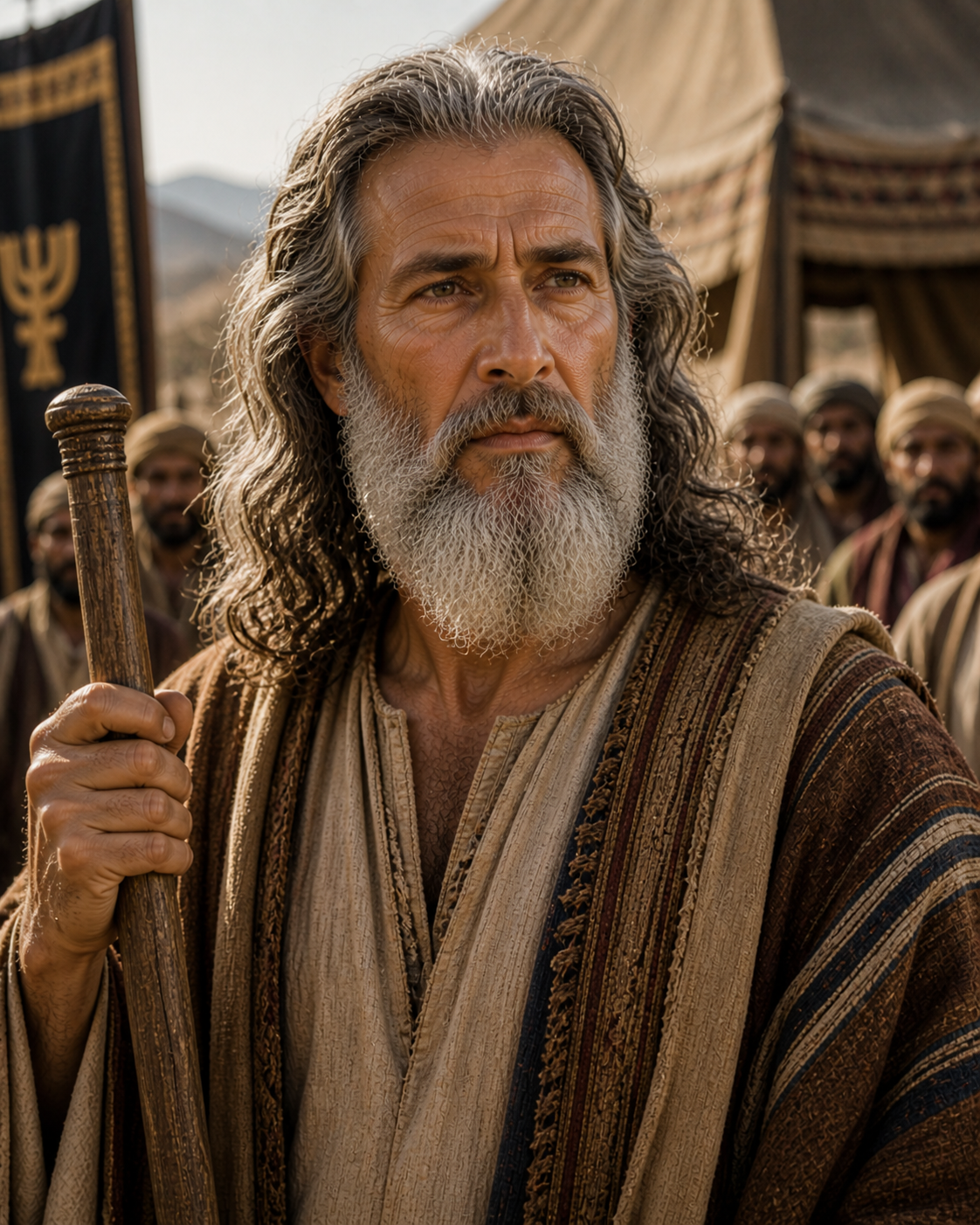
Son of Hannah and Elkanah; dedicated to Yahweh from birth. Last judge of Israel and first of the great prophets after Moses. Anointed both Saul and David. Honored as the head of the prophetic order.
Head of the fourth priestly course.
Son of Azariah; chief priest at the fall of Jerusalem. Captured by Nebuzaradan at Riblah and put to death by Nebuchadnezzar. Father of Jehozadak. Distinct from Seraiah son of Neriah (Jeremiah's quartermaster, Jeremiah 51:59) and other Seraiahs.
Chief of the priests who returned from Babylon with Zerubbabel and Jeshua (Nehemiah 12:1, 12). Distinct from Seraiah the high priest executed at Riblah.
Officer in charge of the house of God (Nehemiah 11:11). Likely the same Seraiah of 1 Chronicles 9:11 (called Azariah there); ancestor of Ezra (Ezra 7:1).
Son of Zadok II; father of Hilkiah the high priest of Josiah's reign. Per Nehemiah 11:11 and 1 Chronicles 9:11 the form Meshullam appears for him.
Head of the priestly family of Bilgah in Joiakim's day (Nehemiah 12:18).
Priest who returned with Zerubbabel; his son Joseph led the family in Joiakim's day. Some manuscripts read 'Hattush' here.
Head of the tenth priestly course.
Priestly head listed among those who returned with Zerubbabel and Jeshua (Nehemiah 12:3). Distinct from Shecaniah son of Obadiah of David's line, Shecaniah of the priestly course (1 Chronicles 24:11), and Shecaniah son of Jehiel.
Priest who returned with Zerubbabel; his son Jehonathan led the family in Joiakim's day.
Of the sons of Harim the priest (Ezra 10:21).
Priest of the sons of Harim who put away a foreign wife (Ezra 10:21).
Father of Meremoth the priest who weighed the temple vessels and rebuilt two sections of the wall (Ezra 8:33; Nehemiah 3:4,21).
Son of Bukki in the high-priestly genealogy. Distinct from other figures named Uzzi (the Issacharite, Benjamite, and Levite Merarite).
Head of the priestly family of Jedaiah in Joiakim's day (Nehemiah 12:19).
Priest of the sons of Harim who put away a foreign wife (Ezra 10:21). Distinct from King Uzziah and Uzziah the Asaphite.
Of the sons of Harim the priest (Ezra 10:21). Distinct from King Uzziah of Judah.
Overseer of 128 mighty men of valor among the priests (Nehemiah 11:14). 'Haggedolim' may be a title meaning 'one of the great men.'
Priest and king's friend (re'eh ha-melech) under Solomon. Brother of Azariah son of Nathan.
Son of Ahitub II; later priest in the high-priestly genealogy of 1 Chronicles 6:12. Distinct from the Zadok of David.
Priestly wall builder opposite his own house (Nehemiah 3:29). Distinct from Zadok the high priest under David and Zadok son of Baana.
A young man, mighty of valor, listed in 1 Chronicles 12:28 with twenty-two captains from his father's house. Often identified with Zadok son of Ahitub the priest.
Priest of the sons of Immer who put away a foreign wife (Ezra 10:20). Distinct from many other Zebadiahs.
Of the sons of Immer; brother of Hanani; put away his foreign wife (Ezra 10:20).
Priest of the division of Abijah; husband of Elizabeth. Struck dumb by Gabriel for unbelief at the announcement of John's birth; spoke again to confirm the name. Author of the Benedictus.
Priest who blew a trumpet at the wall dedication ceremony (Nehemiah 12:41). Distinct from Zechariah son of Jonathan the Asaphite trumpeter (Nehemiah 12:35), the prophet Zechariah, and many other Zechariahs.
Head of the priestly family of Iddo in Joiakim's day (Nehemiah 12:16). Likely the same as Zechariah the prophet (Zechariah 1:1).
Son of Jehoiada the priest; rebuked Joash for his apostasy after Jehoiada's death; stoned to death in the court of the temple at the king's command. Likely the Zechariah named by Jesus in Matthew 23:35.
Priest who carried a trumpet at the dedication of the Jerusalem wall, named with his Asaphite genealogy: son of Jonathan, son of Shemaiah, son of Mattaniah, son of Micaiah, son of Zaccur, son of Asaph (Nehemiah 12:35). Distinct from many other Zechariahs.
Ancestor of Adaiah the priest (Nehemiah 11:12). Distinct from Zechariah of Asaph and Zechariah son of Jehoiada.
Second priest in Zedekiah's reign; carried letters between the king and Jeremiah; received the false prophet Shemaiah's letter from Babylon. Executed by Nebuchadnezzar at Riblah.
Son of Uzzi in the high-priestly genealogy.
Head of the priestly family of Abijah in Joiakim's day (Nehemiah 12:17).
Curation status: Primeval (Genesis 1–11), patriarchs (Genesis 12–50), Exodus/Numbers, Joshua/Judges/Ruth, the united and divided monarchies (Saul, David, all kings of Judah and Israel), the writing prophets, post-exilic figures (Zerubbabel, Ezra, Nehemiah, Esther), the Holy Family, John the Baptist, the Twelve, and the early apostolic generation are all in. 2,781figures curated so far. The remaining named biblical figures (priestly genealogies in 1 Chronicles, the post-exile lists in Ezra/Nehemiah, the obscure persons in Acts and the epistles) are pending. Every claim is rigorously sourced; gaps mean “not yet curated”, not “not in scripture”.