
Every named figure.
Lifespans, relatives, and scripture references. Every claim is traceable; tradition tags surface where readings differ.
503 of 2,781 curated.
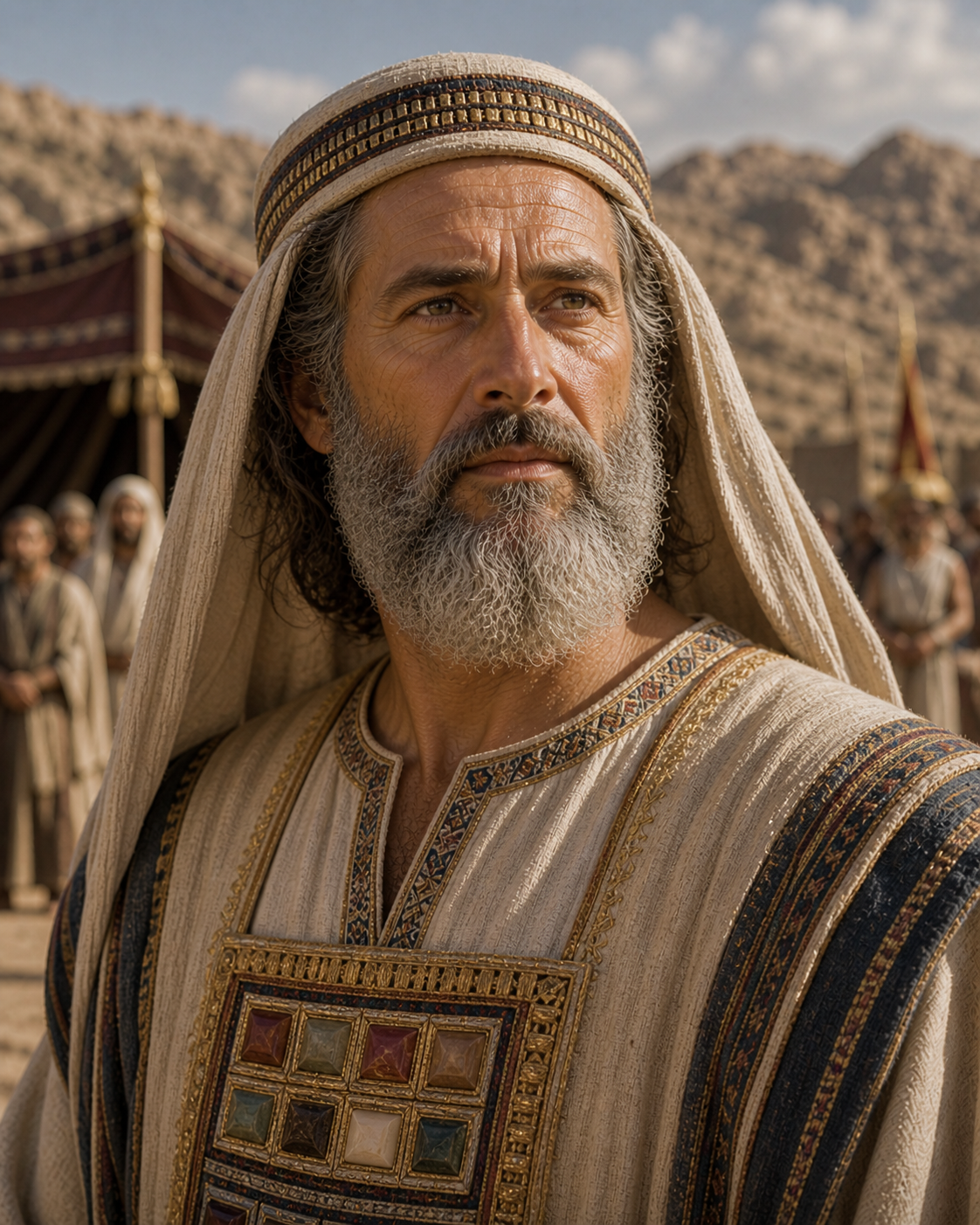
Elder brother of Moses (by three years); spokesman to Pharaoh and first high priest of Israel. Made the golden calf in Moses' absence at Sinai. Died on Mount Hor at age 123; succeeded in the high priesthood by his son Eleazar.

Levitical singer of Jeduthun's house (Nehemiah 11:17). 1 Chronicles 9:16 calls him Obadiah son of Shemaiah.
Merarite Levite, father of Kish in Hezekiah's reform (2 Chronicles 29:12). Distinct from Abdi grandfather of Ethan and Abdi the sealer of Ezra 10:26.
Son of Ahimelech; sole survivor of the slaughter of the priests at Nob. Joined David and served as priest throughout David's reign. Supported Adonijah's coup; banished by Solomon to Anathoth, fulfilling the prophecy against Eli's house. Distinct from his grandfather Ahitub and son Ahimelech (1 Chr 18:16).
Father of Zuriel the chief of the Merarite Levites.
Second son of Aaron; offered 'strange fire' with his brother Nadab and was consumed. Like Nadab, died childless.
Head of the eighth priestly course; the course of Zechariah the father of John the Baptist (Luke 1:5).
Priest of the family of Abijah (eighth priestly course; the course of Zechariah father of John the Baptist) who returned with Zerubbabel.
Second son of Samuel; with his brother Joel administered justice corruptly at Beersheba, prompting Israel to demand a king.
Son of Phinehas in the high-priestly genealogy.
Post-exilic priest; son of Jeroham son of Pashhur son of Malchijah (1 Chronicles 9:12).
Priest in Jerusalem; descendant of Malchijah (Nehemiah 11:12). Distinct from many other Adaiahs.
Father of Maasai the post-exilic priest. Distinct from Adiel the Simeonite chief and Adiel father of David's treasurer.
Head of the priestly family of Harim in Joiakim's day (Nehemiah 12:15).
Levite teacher under Jehoshaphat (2 Chronicles 17:8). Distinct from Adonijah son of David and Adonijah the sealer of Nehemiah's covenant.
Prophet from Shiloh; tore his garment into twelve pieces to symbolize the division of the kingdom and gave ten to Jeroboam. Later prophesied the destruction of Jeroboam's house when his wife came to him in disguise.
Son of Zadok the priest; ran from the camp to bring David news of Absalom's defeat (2 Samuel 18). Outran the Cushite. Distinct from Ahimaaz father of Ahinoam.
Levite gatekeeper at the temple after the exile. Distinct from Ahiman of Anak (Numbers 13:22).
Son of Ahitub; priest at Nob who gave David the showbread and Goliath's sword. Killed by Doeg at Saul's command.
Kohathite Levite in 1 Chronicles 6:25; some treat as a variant of Mahath in the parallel list.
Son of Amariah in the late-monarchic high-priestly genealogy. Distinct from the earlier Ahitub father of David's Zadok.
Son of Amariah and father of Zadok the priest of David and Solomon. Distinct from Ahitub son of Phinehas brother of Ichabod (1 Samuel 14:3, 22:9), the priest of Eli's line.
Ancestor of Amashsai the priest (Nehemiah 11:13). Possibly Jahzerah of 1 Chronicles 9:12.
Levite gatekeeper at one of the temple gates after the exile. Distinct from Akkub the Davidic descendant and Akkub the Nethinim.
High priest under Demetrius I (162–160 BC); slew sixty Hasideans on a single day; died of a stroke after ordering the wall of the inner sanctuary torn down.
Son of Azariah; possibly the Amariah whom Jehoshaphat set as chief priest over religious matters (2 Chronicles 19:11).
Second son of Hebron the Levite (1 Chronicles 23:19). Distinct from the priestly Amariahs and Amariah son of Shephatiah.
Levite distributing the priestly portions under Hezekiah (2 Chronicles 31:15).
Priest who returned with Zerubbabel and Jeshua (Nehemiah 12:2). Father of Jehohanan of Joiakim's generation.
Son of Meraioth and father of Ahitub in the high-priestly genealogy. Multiple priestly Amariahs appear; this is the elder one.
Kohathite Levite, father of Mahath who led Hezekiah's reform (2 Chronicles 29:12). Distinct from Amasai chief of David's captains and Amasai the priest.
Kohathite Levite in the ancestry of Heman the singer.
Priest serving in Jerusalem (Nehemiah 11:13); 1 Chronicles 9:12 names a parallel figure Maasai son of Adiel.
Sixth son of Obed-edom. Distinct from Ammiel of Lo-debar and Ammiel father of Bathshua.
Levite of the Kohathite line listed in 1 Chronicles 6:22 as son of Kohath in the descent toward Korah and Samuel. Distinct from Amminadab father of Nahshon and Elisheba in the Judahite line.
Priest who returned with Zerubbabel; his son Eber led the family in Joiakim's day.
Son of Kohath, husband of Jochebed; father of Aaron, Moses, and Miriam. Lived 137 years.
Ancestor of Adaiah the priest (Nehemiah 11:12).
High priest before whom Paul was tried; struck on the mouth at Paul's word, 'God is going to strike you, you whitewashed wall' (Acts 23). Distinct from the other Ananiases.
High priest from AD 6 deposed by the Romans in AD 15; remained the dominant figure of the high-priestly clan. Father-in-law of Caiaphas; Jesus was first led to Annas after his arrest.
Father of Berechiah the post-exilic Levite. Distinct from King Asa.
Levite teacher under Jehoshaphat (2 Chronicles 17:8). Distinct from Asahel brother of Joab, Asahel of Hezekiah's reform, and Asahel father of Jonathan.
Levite overseer of Hezekiah's tithes (2 Chronicles 31:13). Distinct from Asahel brother of Joab and Asahel the Levite of Jehoshaphat.
Gershonite Levite; chief of the singers appointed by David, set in front of the ark. Author of Psalms 50 and 73-83. Called a 'seer' (2 Chronicles 29:30). His descendants served as singers through the monarchy and after the exile.
Ebiasaph (1 Chronicles 9:19)
Korahite ancestor of the gatekeepers; identified with Ebiasaph. Distinct from Asaph the singer.
Jesharelah (1 Chronicles 25:14)
Son of Asaph the chief musician; head of the seventh division of Levitical singers under David.
Son of Korah of the Kohathite line; survived his father's destruction. Ancestor of the Levitical singer Heman through Ebiasaph.
Head of a clan of returnee gatekeepers (138 in total per Ezra 2:42).
One of the brothers/companions in Zechariah's company at the wall dedication, with the musical instruments of David (Nehemiah 12:36). Distinct from Azarel son of Jeroham, Azarel son of Binnui, and others.
Father of Amashsai the priest (Nehemiah 11:13). Distinct from Azarel of Heman's musicians and Azarel of Binnui.
Kohathite Levite, father of Joel who served in Hezekiah's reform (2 Chronicles 29:12). Distinct from many other Azariahs.
Son of Hilkiah; father of Seraiah the high priest. Late-monarchic priestly Azariah.
Son of Johanan; the chronicler notes 'it is he that executed the priest's office in the temple that Solomon built in Jerusalem' (1 Chronicles 6:10). Possibly identical with the Azariah who confronted king Uzziah (2 Chronicles 26:17-20), though dating is debated.
Son of Ahimaaz; great-grandson of Zadok. Officiated in the temple Solomon built. One of several priestly Azariahs in the line.
Chief priest in the house of God after the return; son of Hilkiah son of Meshullam son of Zadok son of Meraioth son of Ahitub. Distinct from many other Azariahs.
Merarite Levite serving in Hezekiah's temple cleansing (2 Chronicles 29:12).
Priest under Solomon; named first in Solomon's cabinet list (1 Kings 4:2). Probably the same Azariah listed in 1 Chronicles 6:9 as son of Ahimaaz son of Zadok, in which case 'son' here means grandson.
Levite overseer of Hezekiah's tithes (2 Chronicles 31:13). Distinct from Azaziah the Merarite singer and Azaziah father of Hoshea of Ephraim.
Grandfather of Shemaiah the Levite (1 Chronicles 9:14). Distinct from Azrikam son of Azel and other Azrikams.
Grandfather of Shemaiah the Levite (Nehemiah 11:15). Distinct from Azrikam son of Neariah and Azrikam the doorkeeper.
Levite returnee dwelling in Jerusalem (1 Chronicles 9:15).
Levite who served opposite Mattaniah in worship; chief of the gatekeepers in Joiakim's day (Nehemiah 11:17, 12:9, 12:25).
Second of his brothers among the Levites; Asaphite singer (Nehemiah 11:17; 12:9).
Father of Rehum the Levite wall builder (Nehemiah 3:17). Likely same as Bani the Levite of Nehemiah 8:7 and 9:4-5.
Father of Uzzi the overseer (Nehemiah 11:22).
Joseph
Levite of Cyprus; sold his field for the Jerusalem church. Sponsored Saul before the apostles. Sent to Antioch, brought Saul there, accompanied him on the first missionary journey. Cousin of John Mark. Parted from Paul over John Mark and went with Mark to Cyprus.
Levite wall builder, ruler of half the district of Keilah (Nehemiah 3:18). Many translations harmonize with Binnui son of Henadad of v.24.
Levite overseer of Hezekiah's tithes (2 Chronicles 31:13). Distinct from Benaiah son of Jehoiada and many other Benaiahs.
Named with Jaaziah son of Merari (1 Chronicles 24:26-27); 'Beno' may be a personal name or read as the Hebrew 'his son.'
Levite returnee living in the villages of the Netophathites (1 Chronicles 9:16). Distinct from Berechiah father of Zechariah the prophet, Berechiah son of Iddo, and others.
Gershonite Levite, father of Asaph the singer.
Fourth son of Shimei the Gershonite; counted with Jeush as one father's house (1 Chronicles 23:11). Distinct from Beriah son of Asher, Beriah son of Ephraim, and Beriah of Aijalon.
Head of the fifteenth priestly course.
Priest who returned with Zerubbabel (Nehemiah 12:5). Likely the contemporary representative of the priestly course of Bilgah.
Levite who returned with Zerubbabel (Nehemiah 12:8). Distinct from Binnui son of Henadad the wall builder.
Levite who repaired a section of the wall and signed the covenant.
Son of Abishua in the high-priestly genealogy.
Son of Heman the singer; head of the sixth division of Levitical singers under David.
Most-distant named Levite ancestor of Shemaiah (Nehemiah 11:15). Possibly the same Bunni who sealed Nehemiah's covenant (Nehemiah 10:15).
Priestly father of Ezekiel the prophet, named only in the superscription of his book (Ezekiel 1:3).
High priest in Jerusalem ca. AD 18–36; son-in-law of Annas. Prophesied unwittingly that Jesus would die for the nation (John 11). Presided over Jesus' trial.
Chief of the Levites in song; he was over the carrying of the ark because he was skillful (1 Chronicles 15:22, 27); appointed an outer official and judge over Israel (1 Chronicles 26:29).
Levite chief who provided Passover lambs at Josiah's reform (2 Chronicles 35:9). Distinct from Cononiah the chief tithe overseer of Hezekiah.
Levite chief in charge of the offerings, tithes, and dedicated things under Hezekiah (2 Chronicles 31:12-13). Distinct from Conaniah (alternate spelling) the Levite chief under Josiah (2 Chronicles 35:9).
Head of the family of Ithamar who came up with Ezra (Ezra 8:2). Distinct from Daniel the prophet and Daniel son of David.
Head of the twenty-third division of priests under David (1 Chronicles 24:18). Distinct from Delaiah of the returnees, Delaiah son of Shemaiah, and Delaiah the prince.
Head of the priestly family of Amok in Joiakim's day (Nehemiah 12:20). Distinct from Eber descendant of Shem.
Abiasaph
Son of Korah; ancestor of the Korahite gatekeepers and of the singer Heman in the Kohathite line.
Gershonite Levite in Hezekiah's reform; later distributor of priestly portions (2 Chronicles 29:12; 31:15).
Son of Mushi the Merarite Levite (1 Chronicles 23:23; 24:30). Distinct from Eder son of Beriah of Aijalon and the place-name Eder.
Singer under Jezrahiah at the wall-dedication ceremony (Nehemiah 12:42). Distinct from Elam the lay clan-head of returnees, Elam the Korahite gatekeeper, and Elam son of Shashak the Benjamite.
Fifth son of Meshelemiah.
Priest of the sons of Pashhur who put away a foreign wife (Ezra 10:22). Distinct from Elasah son of Shaphan and Elasah son of Helez.
Of the sons of Pashhur (Ezra 10:22). Distinct from Elasah son of Shaphan (Jeremiah 29:3).
Third son of Aaron; succeeded his father as high priest after Aaron's death on Mount Hor. Father of Phinehas. Apportioned the land with Joshua. Distinct from later figures of the same name.
Son of Mahli the Merarite Levite; died having no sons but only daughters, who were taken in marriage by their cousins, the sons of Kish (1 Chronicles 23:21-22). Distinct from Eleazar son of Aaron and many other Eleazars.
Singer under Jezrahiah at the wall-dedication ceremony (Nehemiah 12:42). Distinct from Eleazar son of Aaron the high priest, Eleazar of Anathoth, and others.
Fourth son of Mattathias; killed at the battle of Beth-zechariah by stabbing the war elephant carrying (he believed) the king and being crushed beneath it.
Priest who weighed the silver and gold with Meremoth and others when Ezra arrived in Jerusalem (Ezra 8:33). Distinct from Eleazar son of Aaron.
High priest at Shiloh in the Ithamarite line; raised Samuel. Failed to restrain his wicked sons Hophni and Phinehas. Died at age 98 when he heard the ark had been captured by the Philistines, falling backward and breaking his neck. Judged Israel forty years.
Eliel · Elihu
Kohathite Levite, father of Jeroham and grandfather of Elkanah father of Samuel; named Eliel in 1 Chronicles 6:34 and Elihu in 1 Samuel 1:1.
Priest who blew a trumpet at the wall dedication ceremony (Nehemiah 12:41). Distinct from Eliakim son of Hilkiah the steward of Hezekiah, Eliakim/Jehoiakim king of Judah, and Eliakim in the genealogy of Jesus.
Chief of the Gershonite Levites in the wilderness; distinct from Eliasaph son of Deuel.
Son of Joiakim; high priest in the days of Nehemiah. Prepared a chamber in the temple courts for Tobiah, drawing Nehemiah's rebuke.
Head of the eleventh priestly course. Distinct from the high priest Eliashib of Nehemiah's day.
Of the singers; put away his foreign wife (Ezra 10:24). Distinct from Eliashib the high priest.
Son of Heman the singer; head of the twentieth division of Levitical singers under David.
Seventh son of Meshelemiah.
Levite overseer of Hezekiah's tithes (2 Chronicles 31:13). Distinct from Eliel the Gadite, Eliel of half-Manasseh, and other Eliels.
Levite who put away his foreign wife (Ezra 10:23). Distinct from Eliezer of Damascus and Eliezer son of Moses.
Second son of Moses and Zipporah; named because 'the God of my father was my help'. Distinct from Eliezer the steward of Abraham and other figures.
Priest, son of Jeshua son of Jozadak, who put away a foreign wife (Ezra 10:18). Distinct from Eliezer son of Moses, Eliezer the Reubenite, Eliezer the prophet, and many others.
Brother of Maaseiah; priest of Jeshua's house who took a foreign wife (Ezra 10:18).
Together with his brother Ahijah, secretary (sopher) under Solomon.
Grandson of Obed-edom. Distinct from Elihu the friend of Job.
Priest of the sons of Harim who put away a foreign wife (Ezra 10:21). Distinct from Elijah the prophet and Elijah the Benjaminite.
Of the sons of Harim the priest (Ezra 10:21). Distinct from Elijah the prophet.
Priest who blew a trumpet at the wall dedication ceremony (Nehemiah 12:41). Distinct from Elioenai of David's line, Elioenai son of Pashhur, and Elioenai the gatekeeper.
Priest of the sons of Pashhur who put away a foreign wife (Ezra 10:22). Distinct from Elioenai of David's line, Elioenai the gatekeeper, and Elioenai of Simeon.
Of the sons of Pashhur; put away his foreign wife (Ezra 10:22).
Priest sent by Jehoshaphat to teach the law in Judah (2 Chronicles 17:8). Distinct from Elishama son of Ammihud, Elishama of David's house, and the secretary of Jehoiakim.

Daughter of the Aaronic line; wife of Zechariah the priest. Barren and advanced in years when she conceived John; greeted Mary with the Spirit-given recognition of her unborn Lord. Cousin (kinswoman) of Mary.
Chief of the Kohathite Levites in the wilderness; charged with the most holy things; cousin of Aaron.
Ephraimite by residence (Ramathaim-zophim) but Levite of the Kohathite line by genealogy (1 Chronicles 6:33-38); husband of Hannah and Peninnah; father of Samuel.
Kohathite Levite ancestor of Heman the singer; one of three Elkanahs in the Kohathite line of 1 Chronicles 6.
Grandfather of Berechiah; ancestor of Levites dwelling in Netophathite villages (1 Chronicles 9:16).
Son of Korah; ancestor in the Kohathite line that descends to Samuel and the singer Heman.
Korahite gatekeeper, son of Shemaiah son of Obed-edom (1 Chronicles 26:7). Distinct from Elzabad the Gadite who joined David at Ziklag.
Merarite Levite; one of the three chief singers under David alongside Asaph and Heman. Distinct from Ethan the Ezrahite, the wise man of 1 Kings 4:31. The Ethan in Psalm 89's title is generally identified with the wise man, not this singer.
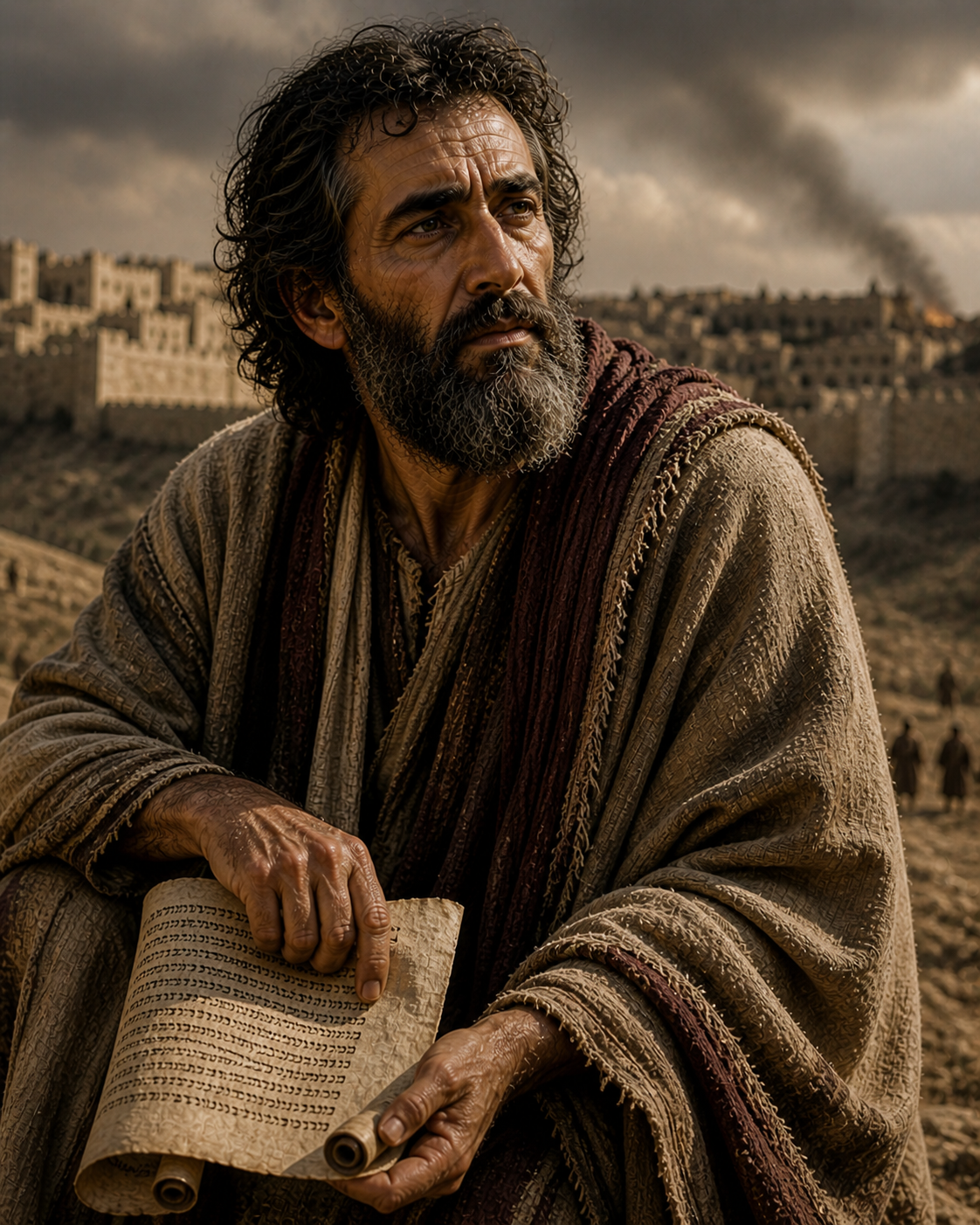
Son of Buzi the priest; deported to Babylon in 597 BC with Jehoiachin. Called as prophet in his thirtieth year (593 BC) by the river Chebar; ministered until at least 571 BC. Visions of the cherubim, the dry bones, and the new temple. Sign-acts of the brick, the hair, the refusal to mourn his wife.
Singer under Jezrahiah at the wall-dedication ceremony (Nehemiah 12:42). Distinct from Ezer son of Seir the Horite, Ezer son of Ephraim, Ezer the Gadite chief, and Ezer son of Jeshua ruler of Mizpah.
Priest of the Aaronic line and scribe skilled in the law of Moses; led a second group of returnees in 458 BC. Dissolved the mixed marriages; read the Torah at the Water Gate (Nehemiah 8). Traditionally credited with the canonical work of the Hebrew scriptures.
Levite returnee dwelling in Jerusalem (1 Chronicles 9:15). Distinct from Galal son of Jeduthun (9:16).
Son of Jeduthun the chief musician; grandfather of Obadiah the post-exilic Jeduthunite Levite. Distinct from Galal of 1 Chronicles 9:15.
Head of the twenty-second division of priests under David (1 Chronicles 24:17).
Brother of Maaseiah of Jeshua's priestly house (Ezra 10:18). Distinct from Gedaliah son of Ahikam, governor of Judah.
Son of Jeduthun (Ethan); head of the second division of Levitical singers under David.
Priest, son of Jeshua son of Jozadak, who put away a foreign wife (Ezra 10:18). Distinct from Gedaliah governor of Judah, Gedaliah the prophet, and others.
Firstborn son of Moses and Zipporah; named because Moses 'has been a sojourner in a foreign land'. Distinct from Gershon son of Levi.
Head of the family of Phinehas who came up with Ezra (Ezra 8:2). Distinct from Gershom son of Moses and Gershon son of Levi.
Firstborn son of Levi; ancestor of the Gershonite Levites who carried the tabernacle curtains and coverings.
Son of Heman the singer; head of the twenty-second division of Levitical singers under David.
Musician with the instruments of David in Zechariah's company at the wall dedication (Nehemiah 12:36).
Ginnethon (Nehemiah 10:6, 12:16)
Priest who returned with Zerubbabel; sealed Nehemiah's covenant; his son Meshullam led the family in Joiakim's day.
Head of the seventh priestly course. The 'sons of Hakkoz' could not produce their genealogy at the return and were excluded from the priesthood (Ezra 2:61, Nehemiah 7:63).
Musician with the instruments of David at the wall dedication (Nehemiah 12:36). Distinct from Hanani the seer, Hanani brother of Nehemiah, and Hanani son of Immer the priest.
Son of Heman the singer; head of the eighteenth division of Levitical singers under David.
Of the sons of Immer; priest who put away his foreign wife (Ezra 10:20). Distinct from Hanani brother of Nehemiah and Hanani son of Immer the priest of Nehemiah 12.
Priest of the sons of Immer who put away a foreign wife (Ezra 10:20). Distinct from Hanani the brother of Nehemiah and Hanani the seer.
Priest who blew a trumpet at the wall dedication ceremony (Nehemiah 12:41). Distinct from Hananiah the false prophet, Hananiah governor of the citadel, and many other Hananiahs.
Head of the priestly family of Jeremiah in Joiakim's day (Nehemiah 12:12).
Son of Heman the singer; head of the sixteenth division of Levitical singers under David.
Head of the eighteenth priestly course.
Son of Shimei the Gershonite (1 Chronicles 23:9). Distinct from Haran brother of Abraham and Haran son of Caleb.
Priest who sealed Nehemiah's covenant (Nehemiah 10:5). Likely the contemporary representative of the priestly course of Harim (1 Chronicles 24:8).
Head of the third priestly course. The 'sons of Harim' returned with Zerubbabel (Ezra 2:39, Nehemiah 7:42).
Great-grandfather of Shemaiah the post-exilic Levite. Distinct from many other Hashabiahs.
Levite chief at Josiah's Passover (2 Chronicles 35:9). Distinct from Hashabiah of Asaph, Hashabiah of Merari, Hashabiah governor of half-Keilah, and others.
Head of the priestly family of Hilkiah in Joiakim's day (Nehemiah 12:21).
Levite who repaired the wall on behalf of his district.
Ancestor of Shemaiah the Levite (Nehemiah 11:15).
Son of Jeduthun; head of the twelfth division of Levitical singers under David.
Tribal officer over Levi in David's administration.
Grandfather of Uzzi the overseer (Nehemiah 11:22). Asaphite Levite.
Levite of the Merarite line; came up with Ezra; weighed the silver and gold for the temple (Ezra 8:19, 24).
Father of Shemaiah the post-exilic Levite. Distinct from Hasshub the wall-builder.
Father of Shemaiah the Levite (Nehemiah 11:15). Distinct from Hasshub son of Pahath-moab.
Head of a clan of returnee gatekeepers.
Priestly head listed among those who returned with Zerubbabel and Jeshua (Nehemiah 12:2). Distinct from Hattush son of Shemaiah of David's line (1 Chronicles 3:22; Ezra 8:2) and Hattush son of Hashabneiah, the wall-rebuilder (Nehemiah 3:10).
Son of Shimei the Gershonite (1 Chronicles 23:9).
Third son of Kohath; head of the Hebronite Levites. Distinct from the city of Hebron and from Hebron son of Mareshah (1 Chronicles 2:42-43).
Head of the priestly family of Meraioth in Joiakim's day (Nehemiah 12:15).
Grandson of Samuel through Joel; chief singer in the tabernacle and temple service appointed by David. Composer associated with Psalm 88. Distinct from Heman the wise man of Judah (1 Kings 4:31).
Levite ancestor whose descendants returned with Zerubbabel and helped supervise temple construction (Ezra 3:9). Father of Binnui and Bavvai the wall builders.
Levite returnee dwelling in Jerusalem (1 Chronicles 9:15).
Head of the seventeenth priestly course. Distinct from Hezir the leader who sealed the covenant (Nehemiah 10:20).
Son of Shallum; high priest under king Josiah. Found the Book of the Law in the temple during Josiah's reform. Father of the prophet Jeremiah per Jeremiah 1:1 (debated whether the same Hilkiah).
Priest who returned with Zerubbabel; his son Hashabiah led the family in Joiakim's day.
Second son of Hosah. Distinct from Hilkiah the high priest under Josiah.
Levite who taught the law to the people, led worship, and sealed the covenant under Nehemiah (Nehemiah 8:7, 9:5, 10:10).
Son of Eli; took meat from sacrifices by force and lay with the women at the tabernacle door. Killed at Aphek when the ark was captured.
Merarite Levite; chief of a clan of gatekeepers, thirteen strong, posted with Shuppim and the western gate Shallecheth.
Son of Heman the singer; head of the twenty-first division of Levitical singers under David.
Head of the thirteenth priestly course.
Son of Jaaziah the Merarite Levite (1 Chronicles 24:27).
Son of Phinehas son of Eli; named at his birth ('the glory is gone') because the ark of Yahweh had been captured.
Levitical leader at Casiphia from whom Ezra requested ministers for the temple (Ezra 8:17). Distinct from Iddo the prophet and Iddo grandfather of Zechariah.
Head of the sixteenth priestly course. The 'sons of Immer' returned with Zerubbabel; ancestor of Pashhur son of Immer who imprisoned Jeremiah.
Father of Kore the Levite porter under Hezekiah (2 Chronicles 31:14). Distinct from Imnah son of Asher.
Priest of the sons of Pashhur who put away a foreign wife (Ezra 10:22). Distinct from Ishmael son of Abraham, Ishmael son of Nethaniah, and others.
Of the sons of Pashhur (Ezra 10:22). Distinct from Ishmael son of Nethaniah and other Ishmaels.
Levite overseer of Hezekiah's tithes (2 Chronicles 31:13).
Seventh son of Obed-edom. Distinct from the patriarch Issachar.
Jesiah
Chief of the descendants of Rehabiah son of Eliezer son of Moses (1 Chronicles 24:21).
Jesiah
Second son of Uzziel the Levite (1 Chronicles 23:20; 24:25). Distinct from Isshiah son of Izrahiah of Issachar and Isshiah the Korahite Ziklag warrior.
Fourth son of Aaron; oversaw the Gershonites and Merarites in tabernacle service. Ancestor of the priestly division of Eli at Shiloh.
Second son of Kohath; father of Korah. Brother of Amram.
A third son of Merari listed only in 1 Chronicles 24:26-27, in addition to Mahli and Mushi; father of Beno, Shoham, Zaccur, and Ibri.
Aziel
One of the second-rank Levitical musicians appointed to play harps before the ark when David brought it to Jerusalem (1 Chronicles 15:18); called Aziel in 1 Chronicles 15:20.
Head of the twenty-first priestly course. Distinct from Jachin the temple pillar.
Last high priest named in the Old Testament (Nehemiah 12:11, 22). Tradition (Josephus) places him in the days of Alexander the Great.
Chief among the four sons of Shimei the Gershonite in 1 Chronicles 23:10-11. Distinct from Jahath son of Reaiah of Judah and other Jahaths.
Merarite Levite overseer of Josiah's temple repairs (2 Chronicles 34:12). Distinct from Jahath ancestor of Asaph and Jahath of Caleb's line.
Third son of Hebron the Levite (1 Chronicles 23:19). Distinct from Jahaziel the priest who blew the trumpet, Jahaziel the prophet, and others.
Ahzai (Nehemiah 11:13)
Grandfather of Maasai the post-exilic priest (1 Chronicles 9:12); often equated with Ahzai of the Nehemiah 11 parallel.
Head of the twelfth priestly course.
Brother of Maaseiah of Jeshua's priestly house (Ezra 10:18).
Priest, son of Jeshua son of Jozadak, who put away a foreign wife (Ezra 10:18). Distinct from Jarib son of Simeon and Jarib the head of household sent for Levites.
Brother of Onias III; bought the high priesthood from Antiochus IV (174 BC) and led the Hellenizing party in Jerusalem. Displaced by Menelaus.
Fourth son of Meshelemiah.
Gershonite Levite, son of Zerah and father of Jeatherai's line in the Chronicler's Levitical genealogy (1 Chronicles 6:21).
Head of the second of the twenty-four priestly courses. Distinct from Jedaiah of the wall builders (Nehemiah 3:10).
Priest who returned with Zerubbabel (Nehemiah 12:6); his son Uzzi led the family in Joiakim's day. Distinct from Jedaiah the priestly course leader (1 Chronicles 24:7) and from Jedaiah of Nehemiah 12:7.
Second Jedaiah listed among the priests who returned with Zerubbabel (Nehemiah 12:7); his son Nethanel led the family in Joiakim's day.
Second son of Meshelemiah.
Merarite Levite; one of the three chief singers under David alongside Asaph and Heman in the parallel arrangement of 1 Chronicles 16, 25; 2 Chronicles 5. Generally identified with Ethan the Merarite. His sons led the second singer division. Psalms 39, 62, and 77 bear his name in their titles.
Ezekiel
Head of the twentieth division of priests under David (1 Chronicles 24:16). The Hebrew name is identical to that of the prophet Ezekiel; included in name only.
Levitical doorkeeper for the ark when David brought it to Jerusalem; appointed with Berechiah to keep watch (1 Chronicles 15:24).
Levite of the sons of Heman in Hezekiah's reform (2 Chronicles 29:14). Also tithe overseer (2 Chronicles 31:13). Distinct from many other Jehiels.
Jehieli
Firstborn of Laadan the Gershonite; head of a Gershonite father's house. His descendants Zetham and Joel were over the treasures of the house of the LORD under David (1 Chronicles 26:21-22).
Priest of the sons of Harim who put away a foreign wife (Ezra 10:21).
Of the sons of Harim the priest (Ezra 10:21).
Singer under Jezrahiah at the wall-dedication ceremony (Nehemiah 12:42). Distinct from Jehohanan the high priest, Jehohanan son of Tobiah, Jehohanan son of Eliashib, and Jehohanan son of Bebai (Ezra 10:28).
Head of the priestly family of Amariah in Joiakim's day (Nehemiah 12:13).
Sixth son of Meshelemiah.
High priest who hid the boy Joash from Athaliah for six years, then organized the coup that crowned him at seven. Effective regent of Judah during Joash's youth. Lived 130 years.
Leader of the house of Aaron who brought 3,700 men to David at Hebron (1 Chronicles 12:27). Distinct from Jehoiada father of Benaiah and Jehoiada the high priest under Joash.
Head of the first of the twenty-four priestly courses ordained by David. Ancestor of the Maccabean family (1 Maccabees 2:1).
Levite teacher under Jehoshaphat (2 Chronicles 17:8).
Head of the priestly family of Shemaiah in Joiakim's day (Nehemiah 12:18).
Priest sent by Jehoshaphat to teach the law in Judah (2 Chronicles 17:8). Distinct from Jehoram king of Judah and Jehoram king of Israel.
Second son of Obed-edom.
Jozadak · Josedech
Son of Seraiah; carried into Babylonian exile when Yahweh sent Judah away by the hand of Nebuchadnezzar. Father of Joshua the high priest of the post-exilic restoration.
Levite of the sons of Elizaphan in Hezekiah's reform (2 Chronicles 29:13). Distinct from Jeiel the scribe under Uzziah and many other Jeiels.
Levite chief at Josiah's Passover (2 Chronicles 35:9).
Fourth son of Hebron the Levite (1 Chronicles 23:19; 24:23).
Son of Kish the Merarite Levite (1 Chronicles 24:29). Distinct from Jerahmeel firstborn of Hezron the Judahite.
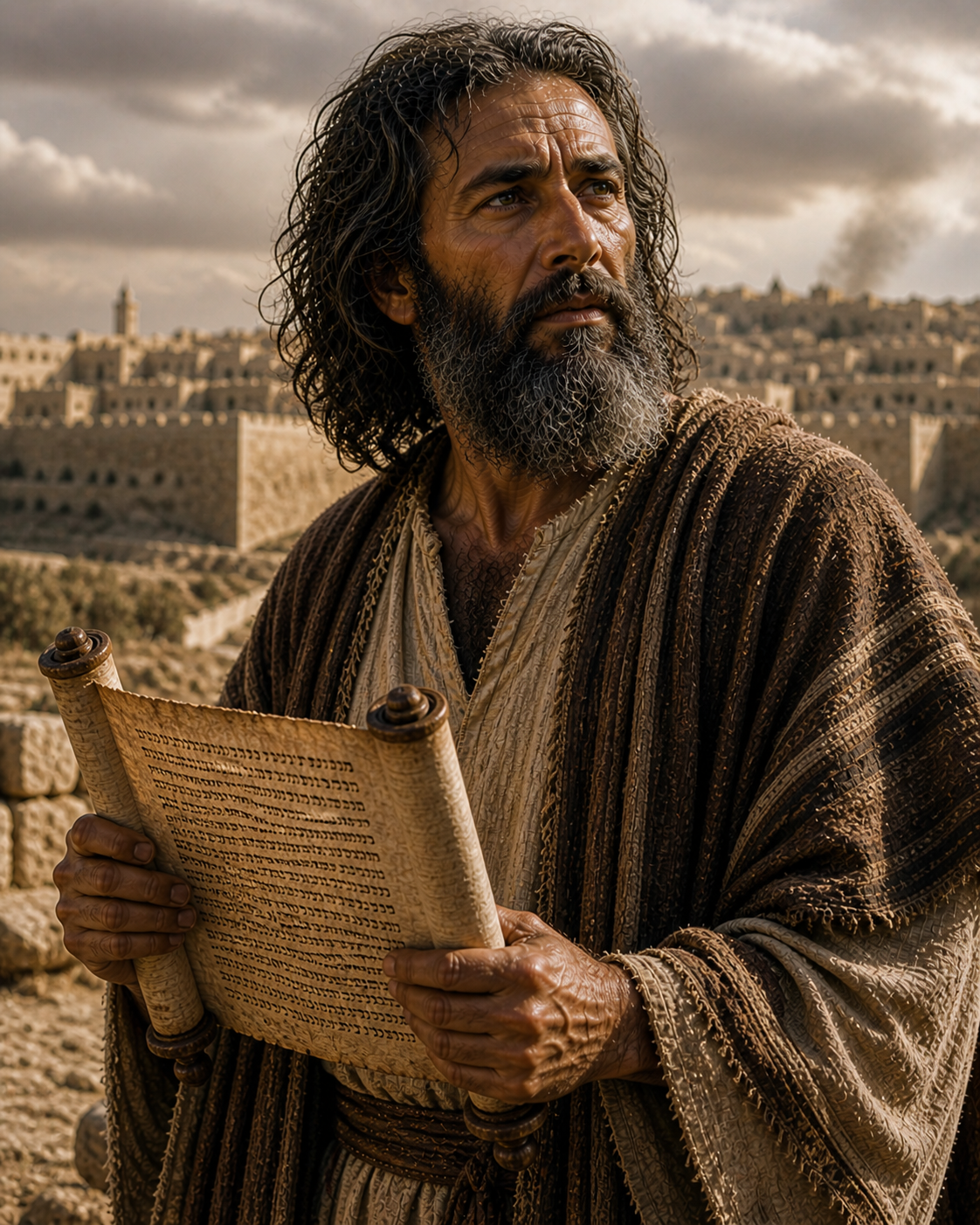
Son of Hilkiah of the priests at Anathoth; called from the womb. Prophesied 627–586 BC and into the exile. The 'weeping prophet'; counseled submission to Babylon and was imprisoned for treason. Witnessed Jerusalem's fall; carried into Egypt against his will and tradition says martyred there. Author of Jeremiah and Lamentations.
Priest who returned with Zerubbabel and Jeshua (Nehemiah 12:1). Father of Hananiah of Joiakim's generation. Distinct from Jeremiah the prophet.
Jerimoth
Son of Mushi the Merarite Levite (1 Chronicles 23:23; 24:30). Distinct from Jeremoth son of Becher, Jeremoth the singer (1 Chr 25:22), and several other Jeremoths.
Jerijah
Chief of the Hebronite Levites; David sought out men of valor among the Hebronites in Jazer of Gilead under his leadership (1 Chronicles 23:19; 26:31).
Levite overseer of Hezekiah's tithes (2 Chronicles 31:13). Distinct from many other Jerimoths.
Son of Heman the singer; head of the fifteenth division of Levitical singers under David.
Kohathite Levite, father of Elkanah and grandfather of Samuel.
Father of Adaiah the priest (Nehemiah 11:12). Distinct from many other Jerohams.
Levite of the Merarite line; brother of Hashabiah; came up with Ezra (Ezra 8:19).
Son of Jeduthun; head of the eighth division of Levitical singers under David.
Head of the fourteenth priestly course.
Levite distributing the priestly portions under Hezekiah (2 Chronicles 31:15). Distinct from Jeshua the high priest and Joshua son of Nun.
Levite who returned with Zerubbabel and led part of the people in worship (Nehemiah 12:8). Distinct from Jeshua the high priest.
Head of the ninth priestly course. Distinct from Jeshua the high priest of the return.
Joshua the high priest
First high priest of the second-temple period; partner of Zerubbabel in rebuilding the altar and the temple. The vision of Zechariah 3 cleanses him from filthy garments and clothes him in priestly robes as a sign of restored Israel.
Third son of Shimei the Gershonite; counted with Beriah as one father's house because they had few sons (1 Chronicles 23:11). Distinct from Jeush son of Esau and other Jeushes.
Overseer of the singers at the wall-dedication ceremony, under whom Maaseiah, Shemaiah, Eleazar, Uzzi, Jehohanan, Malchijah, Elam, and Ezer sang loudly so that the joy of Jerusalem was heard from afar (Nehemiah 12:42-43).
High priest in Jerusalem during the events of Judith who, with the senate, ordered Bethulia and Betomesthaim to seize the mountain passes against the Assyrians and later led the people in blessing Judith (Judith 4:6-8, 14; 15:8-10).
Third son of Obed-edom.
Gershonite Levite who served in Hezekiah's temple cleansing (2 Chronicles 29:12). Distinct from Joah son of Asaph the recorder under Hezekiah.
Daughter of Levi born to him in Egypt; sister and wife of Amram (her nephew). Mother of Aaron, Moses, and Miriam. Hid Moses in the basket on the Nile.
Vashni (1 Chronicles 6:28 in some texts)
Firstborn son of Samuel; took bribes and perverted justice with his brother Abijah at Beersheba (1 Samuel 8:1-3). Ancestor of the singer Heman through his son Heman.
Gershonite Levite over the treasures of the house of the LORD with his brother Zetham under David (1 Chronicles 26:22). Distinct from Joel firstborn of Samuel and many other Joels.
Kohathite Levite serving in Hezekiah's temple cleansing (2 Chronicles 29:12). Distinct from Joel the prophet and Joel son of Samuel.
Son of the elder Azariah in the high-priestly genealogy. Multiple Johanans appear in scripture; this is the priestly one of 1 Chronicles 6.
Priest of the course of Joarib, father of Mattathias the Hasmonean and grandfather of the five Maccabean brothers (1 Maccabees 2:1).
Eldest son of Mattathias; killed by the sons of Jambri who waylaid him near Medeba. Distinct from John Hyrcanus son of Simon.
Son of Simon Maccabeus; high priest and ethnarch of Judea 134–104 BC. Forced the conversion of the Idumeans (creating the conditions for Herod's rise) and destroyed the Samaritan temple on Mount Gerizim.
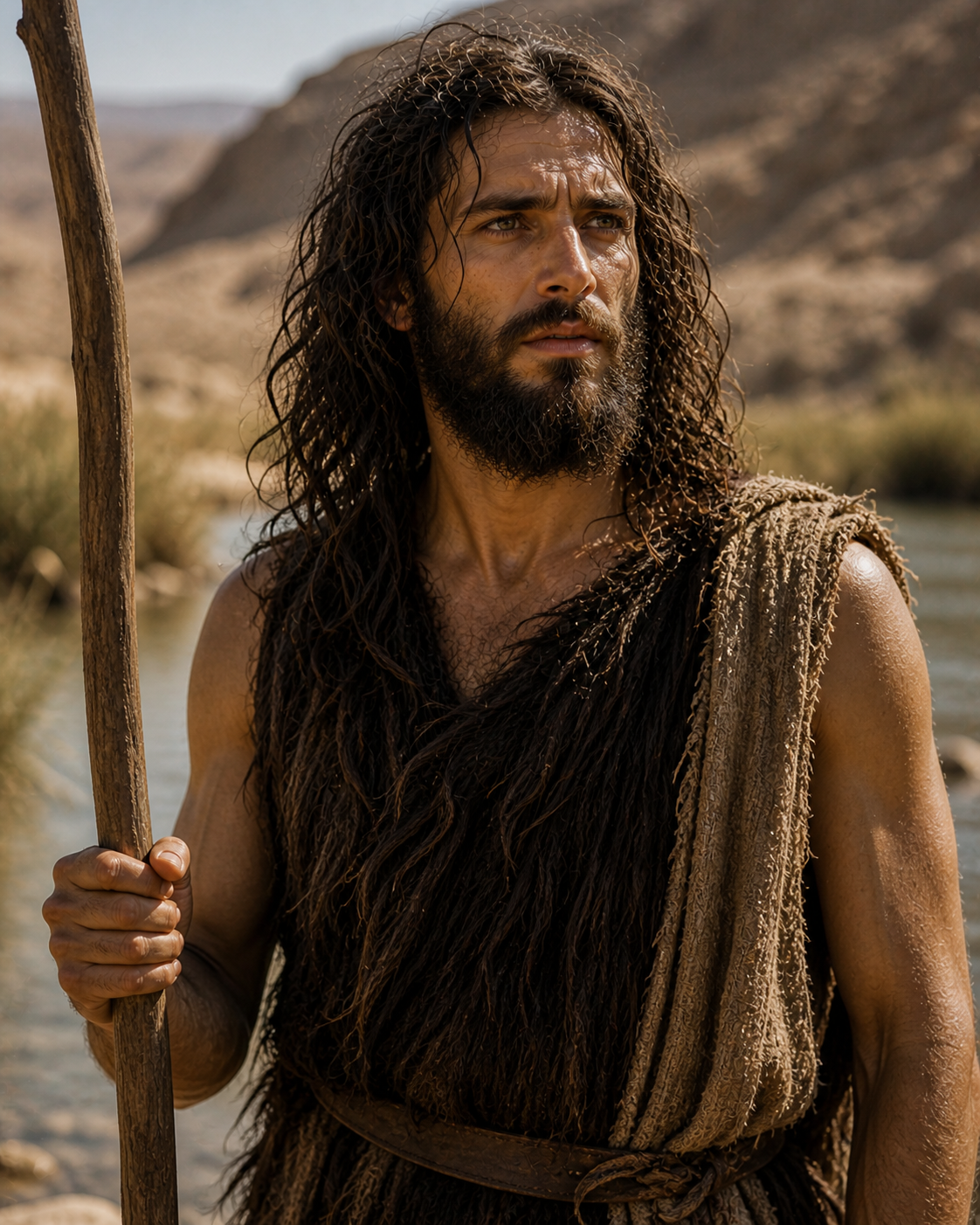
Son of Zechariah and Elizabeth; conceived six months before Jesus. Forerunner of the Messiah; proclaimed repentance baptism in the Jordan wilderness. Baptized Jesus; identified him as 'the Lamb of God'. Imprisoned by Herod Antipas; beheaded at the request of Herodias's daughter. Greatest born of women, per Jesus.
Son of Eliashib; one of his sons married a daughter of Sanballat the Horonite, occasioning Nehemiah's expulsion. Distinct from Jehoiada the high priest under Joash.
Son of Jeshua; high priest in the days of Nehemiah's first administration.
Priest who returned with Zerubbabel; his son Mattenai led the family in Joiakim's day. Likely the contemporary representative of the priestly course of Jehoiarib.
Father of Zechariah the Asaphite trumpeter at the wall dedication; son of Shemaiah in the Asaphite chain (Nehemiah 12:35). Distinct from Jonathan son of Saul, Jonathan the high priest, and other Jonathans.
Son of Joiada; high priest after his father. Called Jonathan in Nehemiah 12:11 and Johanan in 12:22-23.
Youngest son of Mattathias; led the Hasmonean cause after Judas's death. Appointed high priest by Alexander Balas in 152 BC, founding the Hasmonean priestly dynasty. Treacherously killed by Trypho in 143 BC.
Head of the priestly family of Malluch in Joiakim's day (Nehemiah 12:14).
Son of Abiathar; carried news from Jerusalem to David at Mahanaim during Absalom's revolt; brought word of Adonijah's failure at Solomon's anointing. Distinct from Jonathan son of Saul and other Jonathans.
Levite descended from Moses (Manasseh in MT, by scribal alteration); priest first to Micah and then to the Danite shrine; his sons were priests until the captivity of the land.
Levite of the Eliezer-Rehabiah line; ancestor of Shelomith the Izharite (1 Chronicles 26:25). Distinct from kings Joram of Israel and Joram of Judah.
Head of the priestly family of Shebaniah in Joiakim's day (Nehemiah 12:14).
Son of Asaph the chief musician; head of the first division of Levitical singers under David. Distinct from other Josephs.
Son of Heman the singer; head of the seventeenth division of Levitical singers under David.
Jeshua
Son of Jehozadak; first high priest after the return from exile under Zerubbabel. Cleansed in Zechariah 3 by exchanging filthy garments for clean. Distinct from Joshua son of Nun and Jesus.
Levite chief at Josiah's Passover (2 Chronicles 35:9).
Levite overseer of Hezekiah's tithes (2 Chronicles 31:13). Distinct from Jozabad the Gederathite, Jozabad of Ezra, and other Jozabads.
Levite who weighed the temple silver under Ezra; helped instruct the people in the law and oversaw outside business (Ezra 8:33, Nehemiah 8:7, 11:16).
Priest of the sons of Pashhur who put away a foreign wife (Ezra 10:22). Distinct from many other Jozabads.
Of the sons of Pashhur (Ezra 10:22). One of several Jozabads in the post-exilic period.
Levite who put away his foreign wife (Ezra 10:23). Distinct from Judah the patriarch.
Levite who returned with Zerubbabel (Nehemiah 12:8). Distinct from Judah son of Jacob and Judah of Nehemiah 12:34.
Musician at the wall dedication, listed among Zechariah's company (Nehemiah 12:36). Likely identical with Judah the Levite head of song (Nehemiah 12:8) but the text does not assert it.
Third son of Mattathias; surnamed Maccabeus ('hammer'). Led the revolt against the Seleucids; cleansed and rededicated the temple in 164 BC, celebrated thereafter as Hanukkah. Killed in battle at Elasa 160 BC.
Levite head of clan who returned with Zerubbabel; led the people in confession of sins (Ezra 2:40, 3:9; Nehemiah 9:4-5, 10:9, 12:8, 12:24).
Head of the priestly family of Sallai in Joiakim's day (Nehemiah 12:20).
Levite who put away his foreign wife; called Kelita (Ezra 10:23). Likely same as Kelita who taught the Law (Nehemiah 8:7) and sealed Nehemiah's covenant (Nehemiah 10:10).
Levite who helped explain the law to the people; sealed Nehemiah's covenant (Nehemiah 8:7, 10:10). Possibly the same as Kelaiah (Ezra 10:23).
Father of Hashabiah the chief officer over the Levites under David. Distinct from Kemuel son of Nahor and Kemuel son of Shiphtan of Ephraim.
Son of Mahli the Merarite Levite; brother of Eleazar; his sons married Eleazar's daughters (1 Chronicles 23:21-22). Distinct from Kish the father of Saul.
Merarite Levite who served in Hezekiah's temple cleansing (2 Chronicles 29:12). Distinct from Kish father of Saul and Kish the Benjamite ancestor of Mordecai.
Kushaiah
Merarite Levite, father of Ethan the singer; called Kushaiah in 1 Chronicles 15:17.
Second son of Levi; ancestor of Moses and Aaron through Amram. The Kohathites carried the most sacred furnishings of the tabernacle.
Levite of the Kohathite line; led a rebellion against Moses and Aaron's leadership and the Aaronic priesthood. Swallowed alive by the earth (Numbers 16). His sons did not perish; the 'sons of Korah' became Levitical singers and authors of several psalms. Distinct from Korah son of Esau.
Korahite Levite; father of Meshelemiah the gatekeeper. Distinct from Kore son of Imnah (2 Chronicles 31:14).
Levite porter at the east gate, in charge of distributing freewill offerings under Hezekiah (2 Chronicles 31:14). Distinct from Kore son of Ebiasaph the Korahite gatekeeper.
Libni
Gershonite Levite ancestor; head of one of the Gershonite fathers' houses (1 Chronicles 23:7-9). Often equated with Libni son of Gershon.
Father of Eliasaph the chief of the Gershonite Levites.
Third son of Jacob and Leah; founder of the priestly tribe of Levi. Joined Simeon in the slaughter at Shechem. Ancestor of Moses, Aaron, and the Aaronic priesthood.
Son of Gershon; head of the Libnite Gershonites.
Moadiah (Nehemiah 12:17)
Priest who returned with Zerubbabel; his family was led by Piltai in Joiakim's day.
Musician with the instruments of David in Zechariah's company at the wall dedication (Nehemiah 12:36).
Post-exilic priest; son of Adiel son of Jahzerah son of Meshullam son of Meshillemith son of Immer.
One of the singers under Jezrahiah the overseer at the wall-dedication ceremony (Nehemiah 12:42). Distinct from Maaseiah the priest-trumpeter of the same chapter and other Maaseiahs.
Priest who blew a trumpet at the wall dedication ceremony (Nehemiah 12:41). Distinct from many other Maaseiahs (the priest of Jeshua, the gatekeeper, the wall-rebuilder, etc.).
Priest of the sons of Harim who put away a foreign wife (Ezra 10:21).
Of the sons of Harim the priest; put away his foreign wife (Ezra 10:21).
Of the priests, sons of Jeshua son of Jozadak: Maaseiah, Eliezer, Jarib, and Gedaliah put away foreign wives in Ezra 10:18.
Son of Jeshua son of Jehozadak; priest who put away his foreign wife (Ezra 10:18).
Priest of the sons of Pashhur who put away a foreign wife (Ezra 10:22).
Of the sons of Pashhur; put away his foreign wife (Ezra 10:22).
Head of the twenty-fourth and final division of priests under David (1 Chronicles 24:18). Possibly the ancestral house of the post-exilic priest of Nehemiah 10:8 and 12:5.
Kohathite Levite who led Hezekiah's temple cleansing (2 Chronicles 29:12). Also overseer of tithes (2 Chronicles 31:13). Possibly same as Mahath ancestor of Heman the singer (1 Chronicles 6:35).
Son of Heman the singer; head of the twenty-third division of Levitical singers under David.
Firstborn of Merari; head of the Mahlite Merarites.
Son of Mushi the Merarite Levite (1 Chronicles 23:23; 24:30). Distinct from his uncle Mahli son of Merari, after whom he was likely named.
Head of the fifth priestly course. The 'sons of Malchijah' return with Zerubbabel (Ezra 10:25). Ancestor of Pashhur the priest (1 Chronicles 9:12).
Singer under Jezrahiah at the wall-dedication ceremony (Nehemiah 12:42). Distinct from Malchijah son of Rechab the wall-rebuilder, Malchijah head of priestly course five, Malchijah son of Parosh (Ezra 10:25), and Malchijah the goldsmith.
Son of Heman the singer; head of the nineteenth division of Levitical singers under David.
Melichu (Nehemiah 12:14, MT)
Priest who returned with Zerubbabel; his son Jonathan led the family in Joiakim's day.
Levite of the sons of Asaph in Hezekiah's reform (2 Chronicles 29:13). Distinct from Mattaniah father of Zedekiah king of Judah and other Mattaniahs.
Son of Heman the singer; head of the ninth division of Levitical singers under David.
Ancestor of Uzzi the overseer (Nehemiah 11:22). Possibly the same as Mattaniah of v.17 a generation earlier.
Levite of the Asaphite line dwelling in Jerusalem; son of Mica son of Zichri son of Asaph (1 Chronicles 9:15). Distinct from many other Mattaniahs.
Aaronite priest of Modein; refused to offer sacrifice on the king's altar and slew the apostate Jew and the king's officer, igniting the Maccabean revolt (167 BC). Father of Judas Maccabeus, Jonathan, Simon, John, and Eleazar. Died the year following.
Head of the priestly family of Joiarib in Joiakim's day (Nehemiah 12:19).
Son of Jeduthun; head of the fourteenth division of Levitical singers under David.
Outbid Jason for the high priesthood; opened the temple to Antiochus's looting; instigated the murder of Onias III. Executed by Antiochus V in 162 BC.
Head of the priestly family of Seraiah in the days of Joiakim son of Jeshua (Nehemiah 12:12).
Son of Zerahiah in the high-priestly genealogy. A second Meraioth appears later in the line (1 Chronicles 9:11; Nehemiah 11:11).
Third son of Levi; ancestor of the Merarite Levites who carried the tabernacle frames and bars.
Meraioth (Nehemiah 12:15)
Priest who returned with Zerubbabel; his son Helkai led the family in Joiakim's day. May be the same person as Meremoth son of Uriah, the wall builder.
Priest who repaired two sections of the wall under Nehemiah; weighed the silver and gold brought back by Ezra.
Shelemiah (1 Chronicles 26:14) · Meshullam
Korahite Levite; chief gatekeeper at the east gate. Father of Zechariah (the wise counselor) and seven sons; the lot for the eastern gate fell to him.
Meshillemoth (Nehemiah 11:13)
Ancestor of Maasai; son of Immer (1 Chronicles 9:12).
Ancestor of Amashsai the priest (Nehemiah 11:13). Distinct from Meshillemoth of Ephraim (2 Chronicles 28:12).
Head of the priestly family of Ezra in Joiakim's day (Nehemiah 12:13).
Kohathite Levite overseer of Josiah's temple repairs (2 Chronicles 34:12).
Great-grandfather of Maasai the post-exilic priest.
Head of the priestly family of Ginnethon in Joiakim's day (Nehemiah 12:16).
Priest of the Miamin family who returned with Zerubbabel (Nehemiah 12:5). Distinct from Mijamin the priestly course leader of 1 Chronicles 24:9 and Miamin who sealed the covenant.
Father of Mattaniah the post-exilic Asaphite Levite.
Father of Mattaniah the Asaphite (Nehemiah 11:17).
Michah
Firstborn of Uzziel the Levite (1 Chronicles 23:20; 24:24). Distinct from Micah son of Mephibosheth, Micah the prophet, Micah of Mount Ephraim, and Mica the Asaphite.
Priest who blew a trumpet at the wall dedication ceremony (Nehemiah 12:41). Distinct from Micaiah son of Imlah the prophet and the Asaphite Micaiah of Nehemiah 12:35.
Asaphite ancestor named in Zechariah the trumpeter's genealogy at the wall dedication (Nehemiah 12:35). Distinct from Micaiah son of Imlah the prophet and other Micaiahs.
Head of the sixth priestly course.
Head of the sixth division of priests under David (1 Chronicles 24:9). Distinct from Mijamin who sealed Nehemiah's covenant and Miamin of the Ezra 10 lay list.
Priestly head listed among those who returned with Zerubbabel and Jeshua (Nehemiah 12:5). Distinct from Mijamin son of Parosh (Ezra 10:25), Mijamin head of priestly course six (1 Chronicles 24:9), and Mijamin the lay sealer (Nehemiah 10:7).
Musician with the instruments of David in Zechariah's company at the wall dedication (Nehemiah 12:36).
Levite distributing the priestly portions in the priestly cities under Hezekiah (2 Chronicles 31:15). Distinct from Miniamin the priest of Joiakim's day (Nehemiah 12:17,41).
Priest who blew a trumpet at the wall dedication ceremony (Nehemiah 12:41). Distinct from Miniamin the Levite tithe-distributor under Hezekiah (2 Chronicles 31:15) and Miniamin head of a priestly father's house in Joiakim's day (Nehemiah 12:17).
Sister of Moses and Aaron; watched Moses in the basket on the Nile and arranged for Jochebed to nurse him. Led the women in song after the crossing of the sea (Exodus 15:20-21). Struck with leprosy for opposing Moses (Numbers 12). Died at Kadesh.
Son of Uzziel the Levite; cousin of Moses and Aaron; together with Elizaphan carried out the bodies of Nadab and Abihu after they were struck down.
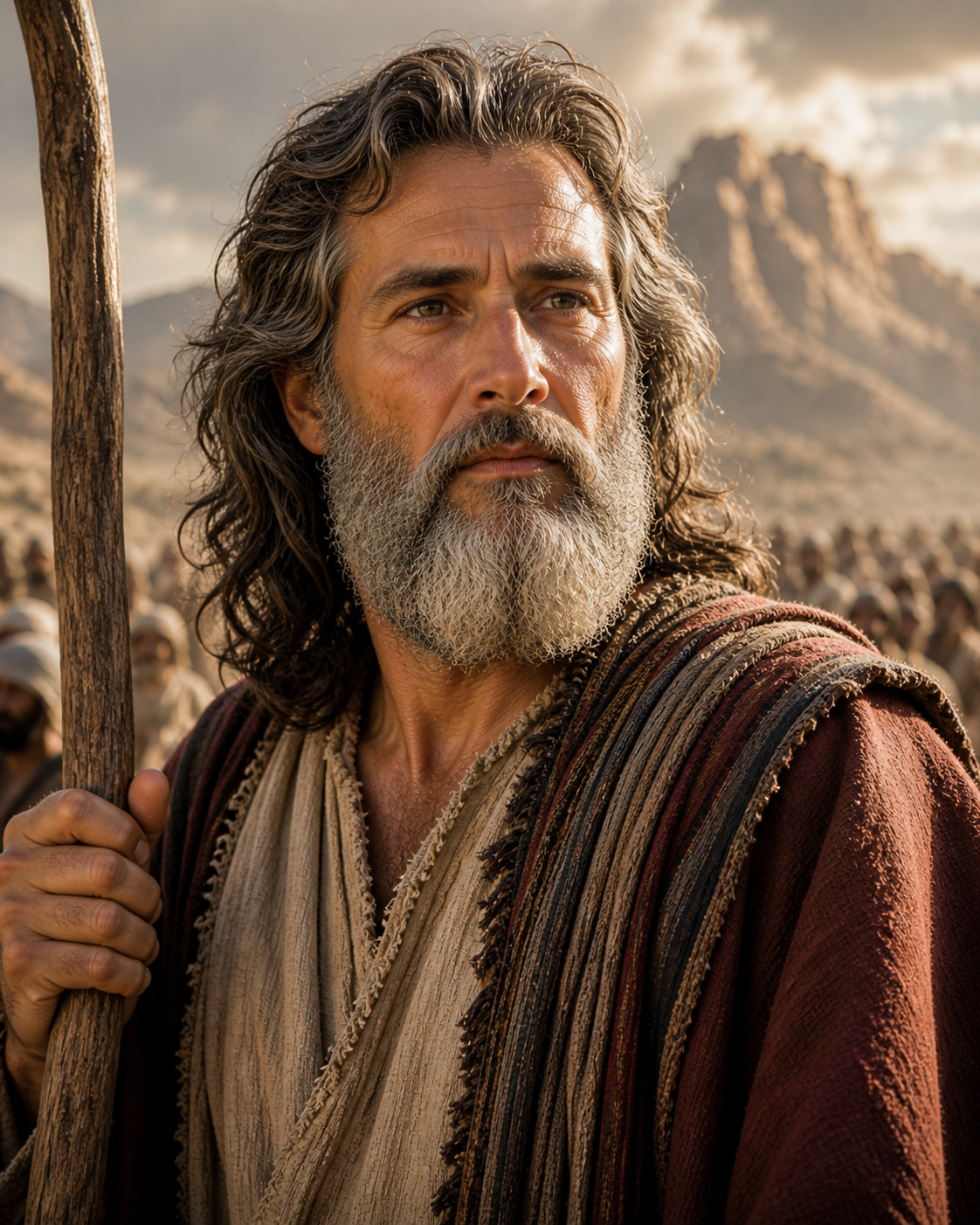
Mosheh · Drawn out
Son of Amram and Jochebed; raised in Pharaoh's house. Called by Yahweh at the burning bush to deliver Israel from Egypt; mediator of the Sinai covenant; received the Torah. Led Israel forty years in the wilderness; died on Mount Nebo, age 120, with eye undimmed and vigor unabated.
Second son of Merari; head of the Mushite Merarites.
Eldest son of Aaron; offered 'strange fire' before Yahweh with his brother Abihu and was consumed. Distinct from Nadab king of Israel and Nadab son of Jeroboam.
Toah · Tohu
Kohathite Levite ancestor of Samuel; called Toah in 1 Chronicles 6:34 and Tohu in 1 Samuel 1:1.
Levite overseer of Hezekiah's tithes (2 Chronicles 31:13). Distinct from Nahath son of Reuel and Nahath the Kohathite Levite ancestor of Heman.
Son of Izhar; brother of Korah. Distinct from Nepheg son of David.
Brother of Conaniah, Levite chief at Josiah's Passover (2 Chronicles 35:9).
Musician with the instruments of David at the wall dedication (Nehemiah 12:36). Distinct from Nethanel son of Zuar of Issachar, Nethanel of the priestly courses, and other Nethanels.
Head of the priestly family of the second Jedaiah in Joiakim's day (Nehemiah 12:21).
Fifth son of Obed-edom.
Priest of the sons of Pashhur who put away a foreign wife (Ezra 10:22).
Of the sons of Pashhur (Ezra 10:22).
Levite teacher under Jehoshaphat (2 Chronicles 17:8). Distinct from Nethaniah father of Ishmael and Nethaniah of Asaph.
Son of Asaph the chief musician; head of the fifth division of Levitical singers under David.
Levite who weighed the temple silver under Ezra (Ezra 8:33). Distinct from Noadiah the prophetess.
Merarite Levite overseer of Josiah's temple repairs (2 Chronicles 34:12). Distinct from many other Obadiahs.
Priest who sealed Nehemiah's covenant (Nehemiah 10:5). Distinct from Obadiah the prophet, Obadiah of Ahab, and others.
Levite of the Jeduthun line dwelling in Jerusalem (1 Chronicles 9:16). Distinct from many other Obadiahs.
Korahite gatekeeper, son of Shemaiah son of Obed-edom (1 Chronicles 26:7). Distinct from Obed son of Boaz, Obed of Jerahmeel's line, Obed of Caleb, and Obed son of Ephlal.
Levite of Korahite line in whose house the ark rested three months between Perez-uzza and Jerusalem; God blessed his household. Designated gatekeeper and lyre player after the ark was brought to Jerusalem; head of a great Levitical clan of gatekeepers (sixty-two strong men).
Last legitimate Zadokite high priest before the Seleucid usurpations; deposed in favor of his Hellenizing brother Jason. Murdered at Daphne ca. 171 BC. Generally identified as the 'anointed one' cut off in Daniel 9:26 by many Jewish and Christian readings.
Grandson of Obed-edom through Shemaiah; man of valor.
Ancestral head of the returnee priestly clan called 'sons of Pashhur' (Ezra 2:38; Ezra 10:22). Distinct from Pashhur son of Immer (the priest who imprisoned Jeremiah) and from Pashhur son of Malchijah.
Priest and chief officer in the temple; struck Jeremiah and put him in stocks at the upper Benjamin Gate; renamed Magor-Missabib by the prophet.
Levite who taught the law and sealed the covenant under Nehemiah (Nehemiah 8:7, 10:10). Distinct from Pelaiah of the Davidic line (1 Chronicles 3:24).
Ancestor of Adaiah the priest (Nehemiah 11:12).
Levite who put away his foreign wife (Ezra 10:23). Distinct from Pethahiah of the priestly course (1 Chronicles 24:16) and Pethahiah son of Meshezabel (Nehemiah 11:24).
Head of the nineteenth division of priests under David (1 Chronicles 24:16). Distinct from Pethahiah son of Meshezabel and Pethahiah the Levite of Ezra 10.
Eighth son of Obed-edom; God blessed Obed-edom with him.
Son of Eleazar; turned away Yahweh's wrath at Baal-Peor by spearing the Israelite man and Midianite woman together (Numbers 25). Granted the covenant of perpetual priesthood. Succeeded his father as high priest. Distinct from Phinehas son of Eli.
Son of Eli; co-officiant with Hophni in their corruption. Killed at Aphek; his pregnant widow named her son Ichabod ('the glory has departed') as she died in childbirth. Distinct from Phinehas son of Eleazar.
Head of the priestly family of Moadiah (Maadiah) in Joiakim's day (Nehemiah 12:17).
Son of Eliezer son of Moses; the only son of Eliezer, but his sons multiplied greatly (1 Chronicles 23:17; 26:25).
Harim (Nehemiah 12:15)
Priest who returned with Zerubbabel (Nehemiah 12:3); listed as Harim in Joiakim's day list. Distinct from Rehum son of Bani.
Levite who repaired a section of the wall.
Korahite gatekeeper, son of Shemaiah son of Obed-edom (1 Chronicles 26:7); brother of Othni, Obed, Elzabad, Elihu, and Semachiah.
Son of Heman the singer; head of the twenty-fourth division of Levitical singers under David.
Fourth son of Obed-edom.
Sallai (Nehemiah 12:20)
Priest who returned with Zerubbabel; his son Kallai led the family in Joiakim's day.
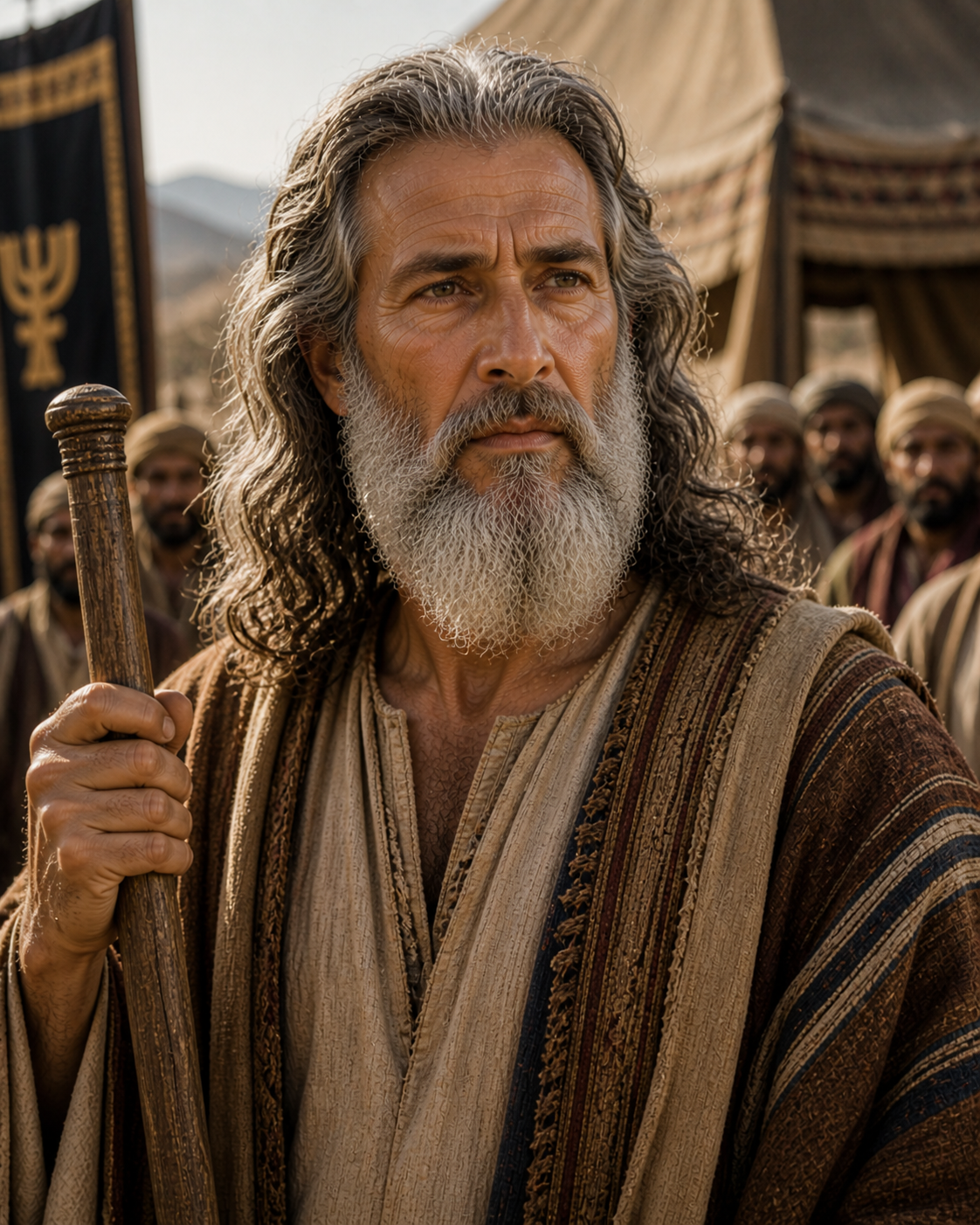
Son of Hannah and Elkanah; dedicated to Yahweh from birth. Last judge of Israel and first of the great prophets after Moses. Anointed both Saul and David. Honored as the head of the prophetic order.
Grandson of Obed-edom; man of valor.
Head of the fourth priestly course.
Son of Azariah; chief priest at the fall of Jerusalem. Captured by Nebuzaradan at Riblah and put to death by Nebuchadnezzar. Father of Jehozadak. Distinct from Seraiah son of Neriah (Jeremiah's quartermaster, Jeremiah 51:59) and other Seraiahs.
Chief of the priests who returned from Babylon with Zerubbabel and Jeshua (Nehemiah 12:1, 12). Distinct from Seraiah the high priest executed at Riblah.
Officer in charge of the house of God (Nehemiah 11:11). Likely the same Seraiah of 1 Chronicles 9:11 (called Azariah there); ancestor of Ezra (Ezra 7:1).
Chief of the Levites in charge of the outside business of God's house (Nehemiah 11:16). Same as Shabbethai who taught the Law (Nehemiah 8:7) and Shabbethai of Ezra 10:15.
Korahite chief of the gatekeepers in the post-exilic temple. Son of Kore son of Ebiasaph son of Korah. Distinct from king Shallum of Israel and Shallum son of Tikvah.
Gatekeeper who put away his foreign wife (Ezra 10:24).
Son of Zadok II; father of Hilkiah the high priest of Josiah's reign. Per Nehemiah 11:11 and 1 Chronicles 9:11 the form Meshullam appears for him.
Son of Micah the Uzzielite Levite (1 Chronicles 24:24). Distinct from the place-names Shamir.
Head of the priestly family of Bilgah in Joiakim's day (Nehemiah 12:18).
Father of Abda the Jeduthunite singer (Nehemiah 11:17).
Kohathite Levite ancestor of Heman the singer (1 Chronicles 6:24). Distinct from Saul king of Israel and Shaul son of Simeon.
Priest who returned with Zerubbabel; his son Joseph led the family in Joiakim's day. Some manuscripts read 'Hattush' here.
Shubael
Levite over the treasures, son of Gershom son of Moses (1 Chronicles 23:16; 26:24). Distinct from Shebuel the singer son of Heman.
Shubael (1 Chronicles 25:20)
Son of Heman the singer; head of the thirteenth division of Levitical singers under David.
Levite distributing the priestly portions under Hezekiah (2 Chronicles 31:15).
Head of the tenth priestly course.
Priestly head listed among those who returned with Zerubbabel and Jeshua (Nehemiah 12:3). Distinct from Shecaniah son of Obadiah of David's line, Shecaniah of the priestly course (1 Chronicles 24:11), and Shecaniah son of Jehiel.
Chief of the Izharites under David; son of Zichri (1 Chronicles 23:18; 26:25-28); over the dedicated treasures.
Shelomith
Firstborn son of Shimei the Gershonite (1 Chronicles 23:9). Distinct from Shelomith the Izharite, Shelomith son of Zichri, and Shelomith daughter of Zerubbabel.
Levite of the sons of Jeduthun in Hezekiah's reform (2 Chronicles 29:14).
Father of Obadiah the Jeduthunite Levite.
Brother of Conaniah, Levite chief at Josiah's Passover (2 Chronicles 35:9).
Levite distributing the priestly portions under Hezekiah (2 Chronicles 31:15).
Levite sent by Jehoshaphat to teach the law in Judah (2 Chronicles 17:8). Distinct from Shemaiah the prophet and many other Shemaiahs.
Priest who returned with Zerubbabel; his son Jehonathan led the family in Joiakim's day.
One of the brothers/companions of Zechariah son of Jonathan who marched with the second thanksgiving choir at the wall dedication (Nehemiah 12:36). Distinct from many other Shemaiahs.
Of the sons of Harim the priest (Ezra 10:21).
Priest of the sons of Harim who put away a foreign wife (Ezra 10:21).
Levite returnee dwelling in Jerusalem (1 Chronicles 9:14); a Merarite.
Levite chief in Jerusalem (Nehemiah 11:15).
Asaphite ancestor of Zechariah the trumpeter; named in the wall-dedication genealogy of Nehemiah 12:35. Distinct from numerous other Shemaiahs.
Firstborn of Obed-edom; head of a strong house; his sons (Othni, Rephael, Obed, Elzabad, Elihu, Semachiah) were named men of valor.
Levite teacher under Jehoshaphat (2 Chronicles 17:8). Distinct from Shemiramoth the singer of David's reign (1 Chronicles 15:18,20).
Levite descendant of Mahli son of Levi; man of understanding sent by Iddo with Ezra (Ezra 8:18). Carried the temple silver, taught the law, and signed the covenant.
Levite, second to his brother Cononiah in overseeing Hezekiah's tithes (2 Chronicles 31:12-13).
Levite of the sons of Heman in Hezekiah's reform (2 Chronicles 29:14). Possibly the same as Shimei brother of Cononiah the chief overseer of tithes (2 Chronicles 31:12).
Levite who put away his foreign wife (Ezra 10:23). Distinct from many other Shimeis.
Second son of Gershon; head of the Shimeite Gershonites. Distinct from Shimei the Benjamite who cursed David.
Son of Jeduthun; head of one of the divisions of Levitical singers under David. Distinct from earlier Shimeis.
Levite of the sons of Elizaphan in Hezekiah's reform (2 Chronicles 29:13). Distinct from Shimri father of Jediael and Shimri the Simeonite.
Son of Hosah; appointed chief by his father though he was not the firstborn.
Head of a clan of returnee gatekeepers.
Son of Jaaziah the Merarite Levite (1 Chronicles 24:27).
Priest of the course of Joarib, grandfather of Mattathias the Hasmonean and great-grandfather of the five Maccabean brothers (1 Maccabees 2:1).
Second son of Mattathias; succeeded Jonathan. Won independence from Seleucid taxation; recognized by the people as 'great high priest, commander, and leader' in perpetuity (1 Maccabees 14). Murdered by his son-in-law Ptolemy in 134 BC.
Son of Uzziel the Levite.
Levite in the Kohathite line of 1 Chronicles 6:24 between Assir and Uriel. Distinct from Tahath descendant of Ephraim.
Levite gatekeeper after the exile.
Third son of Hosah.
Gatekeeper who put away his foreign wife (Ezra 10:24).
Levite teacher under Jehoshaphat (2 Chronicles 17:8).
Levite teacher under Jehoshaphat (2 Chronicles 17:8). Distinct from Tobijah of Zechariah's coronation oracle (Zechariah 6:10,14) and Tobiah the Ammonite servant.
Unno
Levite singer in the post-exilic worship (Nehemiah 12:9). Distinct from Unni the singer of David's day (1 Chronicles 15:18, 20).
Gatekeeper who put away his foreign wife (Ezra 10:24). Distinct from Uri father of Bezalel.
Father of Meremoth the priest who weighed the temple vessels and rebuilt two sections of the wall (Ezra 8:33; Nehemiah 3:4,21).
Kohathite Levite ancestor of Heman the singer; chief of the Kohathites who helped bring up the ark in David's day.
Son of Bukki in the high-priestly genealogy. Distinct from other figures named Uzzi (the Issacharite, Benjamite, and Levite Merarite).
Singer under Jezrahiah at the wall-dedication ceremony (Nehemiah 12:42). Distinct from Uzzi son of Bukki of the high-priestly line, Uzzi the Issacharite, Uzzi son of Bani the overseer of Levites, and Uzzi son of Michri the Benjamite.
Head of the priestly family of Jedaiah in Joiakim's day (Nehemiah 12:19).
Overseer of the Levites in Jerusalem (Nehemiah 11:22).
Kohathite Levite in the line from Korah to Heman the singer (1 Chronicles 6:24). Distinct from king Uzziah of Judah.
Priest of the sons of Harim who put away a foreign wife (Ezra 10:21). Distinct from King Uzziah and Uzziah the Asaphite.
Of the sons of Harim the priest (Ezra 10:21). Distinct from King Uzziah of Judah.
Levite of the sons of Jeduthun in Hezekiah's reform (2 Chronicles 29:14). Distinct from Uzziel son of Kohath, Uzziel the Simeonite, and others.
Fourth son of Kohath; uncle of Aaron. Father of Mishael, Elzaphan, and Sithri.
Azarel (1 Chronicles 25:18)
Son of Heman the singer; head of the eleventh division of Levitical singers under David.
Grandson of Asaph; ancestor of Mattaniah (Nehemiah 11:17). 1 Chronicles 9:15 calls him Zichri.
Overseer of 128 mighty men of valor among the priests (Nehemiah 11:14). 'Haggedolim' may be a title meaning 'one of the great men.'
Levite who sealed Nehemiah's covenant (Nehemiah 10:12). Distinct from Zaccur of Asaph.
Son of Jaaziah the Merarite Levite (1 Chronicles 24:27). Distinct from Zaccur son of Asaph and several other Zaccurs.
Son of Asaph the chief musician; head of the third division of Levitical singers under David.
Son of Ahitub of the Eleazar line; priest under David alongside Abiathar. Loyal to David during Absalom's revolt; anointed Solomon. Sole high priest after Abiathar's banishment; ancestor of the Zadokite priestly line that dominated through the second temple.
Son of Ahitub II; later priest in the high-priestly genealogy of 1 Chronicles 6:12. Distinct from the Zadok of David.
Priestly wall builder opposite his own house (Nehemiah 3:29). Distinct from Zadok the high priest under David and Zadok son of Baana.
A young man, mighty of valor, listed in 1 Chronicles 12:28 with twenty-two captains from his father's house. Often identified with Zadok son of Ahitub the priest.
Levite teacher under Jehoshaphat (2 Chronicles 17:8). Distinct from Zebadiah son of Ishmael who was Jehoshaphat's chief judge (2 Chronicles 19:11).
Priest of the sons of Immer who put away a foreign wife (Ezra 10:20). Distinct from many other Zebadiahs.
Of the sons of Immer; brother of Hanani; put away his foreign wife (Ezra 10:20).
Third son of Meshelemiah.
Levite of the sons of Asaph in Hezekiah's reform (2 Chronicles 29:13). Distinct from many other Zechariahs.
Kohathite Levite overseer of Josiah's temple repairs (2 Chronicles 34:12).
Priest of the division of Abijah; husband of Elizabeth. Struck dumb by Gabriel for unbelief at the announcement of John's birth; spoke again to confirm the name. Author of the Benedictus.
Son of Isshiah the Uzzielite Levite (1 Chronicles 24:25). Distinct from many other Zechariahs.
Priest who blew a trumpet at the wall dedication ceremony (Nehemiah 12:41). Distinct from Zechariah son of Jonathan the Asaphite trumpeter (Nehemiah 12:35), the prophet Zechariah, and many other Zechariahs.
Head of the priestly family of Iddo in Joiakim's day (Nehemiah 12:16). Likely the same as Zechariah the prophet (Zechariah 1:1).
Fourth son of Hosah.
Son of Jehoiada the priest; rebuked Joash for his apostasy after Jehoiada's death; stoned to death in the court of the temple at the king's command. Likely the Zechariah named by Jesus in Matthew 23:35.
Priest who carried a trumpet at the dedication of the Jerusalem wall, named with his Asaphite genealogy: son of Jonathan, son of Shemaiah, son of Mattaniah, son of Micaiah, son of Zaccur, son of Asaph (Nehemiah 12:35). Distinct from many other Zechariahs.
First son of Meshelemiah; a wise counselor; the lot for the north gate fell to him.
Ancestor of Adaiah the priest (Nehemiah 11:12). Distinct from Zechariah of Asaph and Zechariah son of Jehoiada.
Second priest in Zedekiah's reign; carried letters between the king and Jeremiah; received the false prophet Shemaiah's letter from Babylon. Executed by Nebuchadnezzar at Riblah.
Son of Uzzi in the high-priestly genealogy.
Izri (1 Chronicles 25:11)
Son of Jeduthun; head of the fourth division of Levitical singers under David.
Gershonite Levite over the treasures of the house of the LORD under David (1 Chronicles 26:22).
Grandfather of Mattaniah the post-exilic Asaphite Levite; son of Asaph the chief musician.
Father of Shelomith the Izharite chief over David's dedicated treasures (1 Chronicles 26:25). Distinct from many other Zichris.
Head of the priestly family of Abijah in Joiakim's day (Nehemiah 12:17).
Son of Izhar; brother of Korah.
Gershonite Levite, father of Joah in Hezekiah's reform (2 Chronicles 29:12). Distinct from Zimmah ancestor of Asaph and Zimmah son of Shimei (1 Chronicles 6:20,42).
Zina (1 Chronicles 23:10)
Second among the sons of Shimei the Gershonite (1 Chronicles 23:11).
Zuph
Kohathite Levite ancestor of Samuel and of Heman the singer; called Zuph in 1 Samuel 1:1 (the Ramathaim-zophim region takes its name from him).
Chief of the Merarite Levites in the wilderness.
Curation status: Primeval (Genesis 1–11), patriarchs (Genesis 12–50), Exodus/Numbers, Joshua/Judges/Ruth, the united and divided monarchies (Saul, David, all kings of Judah and Israel), the writing prophets, post-exilic figures (Zerubbabel, Ezra, Nehemiah, Esther), the Holy Family, John the Baptist, the Twelve, and the early apostolic generation are all in. 2,781figures curated so far. The remaining named biblical figures (priestly genealogies in 1 Chronicles, the post-exile lists in Ezra/Nehemiah, the obscure persons in Acts and the epistles) are pending. Every claim is rigorously sourced; gaps mean “not yet curated”, not “not in scripture”.