
Every named figure.
Lifespans, relatives, and scripture references. Every claim is traceable; tradition tags surface where readings differ.
107 of 2,781 curated.

Sister of David; wife of Jether the Ishmaelite (or Israelite) and mother of Amasa. Distinct from Abigail wife of David (the widow of Nabal).
Widow of Nabal of Carmel; intervened wisely to prevent David from massacring Nabal's household. Married David after Nabal's death. Mother of Daniel/Chileab. Distinct from Abigail David's sister.

Abijam (1 Kings)
Son of Rehoboam and Maacah; king of Judah ca. 913–911 BC. Reigned three years; warred with Jeroboam. Distinct from Abijah son of Samuel and other figures.
Second son of Jesse.
Son of Zeruiah, brother of Joab and Asahel; chief of the Three (or Thirty), David's most loyal mighty man. Restrained David from killing Saul; rescued David from the Philistine giant Ishbi-benob.
Wife of David; mother of Shephatiah.
Third son of David by Maacah; renowned for beauty and his hair. Killed Amnon in revenge for Tamar; later led a revolt against David. Killed by Joab while caught by his hair in an oak. Father of Maacah, mother of Abijah of Judah.
Fourth son of David, eldest surviving at David's death; attempted to seize the throne with Joab and Abiathar's support during David's final illness. Solomon spared him initially; later executed him for requesting Abishag the Shunammite as wife.
Son of Jotham; king of Judah ca. 735–715 BC. Sacrificed his sons in the fire; burned incense at the high places. Submitted to Tiglath-pileser III of Assyria for protection from the Syro-Ephraimite alliance. Recipient of Isaiah's Immanuel prophecy (Isaiah 7).
Son of Jehoram of Judah and Athaliah; reigned one year (841 BC). Walked in the way of the house of Ahab. Killed by Jehu while visiting his wounded uncle Joram of Israel. Distinct from Ahaziah of Israel.
Wife of David from Jezreel of Judah; mother of Amnon, his firstborn. Distinct from Saul's wife Ahinoam.
Davidic descendant in 1 Chronicles 3:24.
Son of Abigail David's sister; commander of Absalom's army during the revolt. After David's restoration, replaced Joab as commander, only to be murdered by Joab.
Son of Joash; king of Judah ca. 796–767 BC. Defeated Edom but adopted their gods. Defeated by Joash of Israel. Killed in a conspiracy at Lachish. Reigned twenty-nine years.
Firstborn of David by Ahinoam; raped his half-sister Tamar and was murdered two years later by her brother Absalom.
Son of Manasseh; king of Judah ca. 642–640 BC. Continued his father's idolatry without his repentance; assassinated in his palace after two years.
Last Davidic name in 1 Chronicles 3; ends the post-exilic Davidic genealogy, c. 5th-4th century BC.
Davidic descendant in the post-exilic genealogy of 1 Chronicles 3:21.
Son of Abijah; king of Judah ca. 911–870 BC. Reformer who removed idols and the male cult prostitutes; relied on foreign alliance with Aram in his later years and was rebuked by the seer Hanani. Reigned forty-one years.
Son of Zeruiah, brother of Joab and Abishai; swift-footed warrior. Pursued Abner after the battle of Gibeon and was killed by him in self-defense, prompting Joab's blood-vengeance.
Son of Jeconiah (Jehoiachin) listed in 1 Chronicles 3:17. Some take 'Assir' as a title meaning 'the captive' rather than a personal name.
Daughter of Ahab and Jezebel (or Omri's daughter per 2 Kings 8:26); wife of Jehoram of Judah. After her son Ahaziah's death, killed all the royal seed and seized the throne for six years (841–835 BC). Overthrown and killed in the priest Jehoiada's coup that crowned the boy Joash. Only reigning queen of Judah.
Davidic descendant in 1 Chronicles 3:23.
Davidic descendant in 1 Chronicles 3:22.
Bath-shua (1 Chr 3:5)
Daughter of Eliam (= Ammiel?); wife of Uriah the Hittite, then of David. First child by David died in infancy. Mother of Solomon. Helped secure Solomon's succession over Adonijah. Named in Matthew 1:6 as 'her of Uriah'.
Son of Zerubbabel listed in 1 Chronicles 3:20.
Daniel (1 Chr 3:1)
Second son of David by Abigail. Called Chileab in 2 Samuel 3:3 and Daniel in 1 Chronicles 3:1; not heard from again.
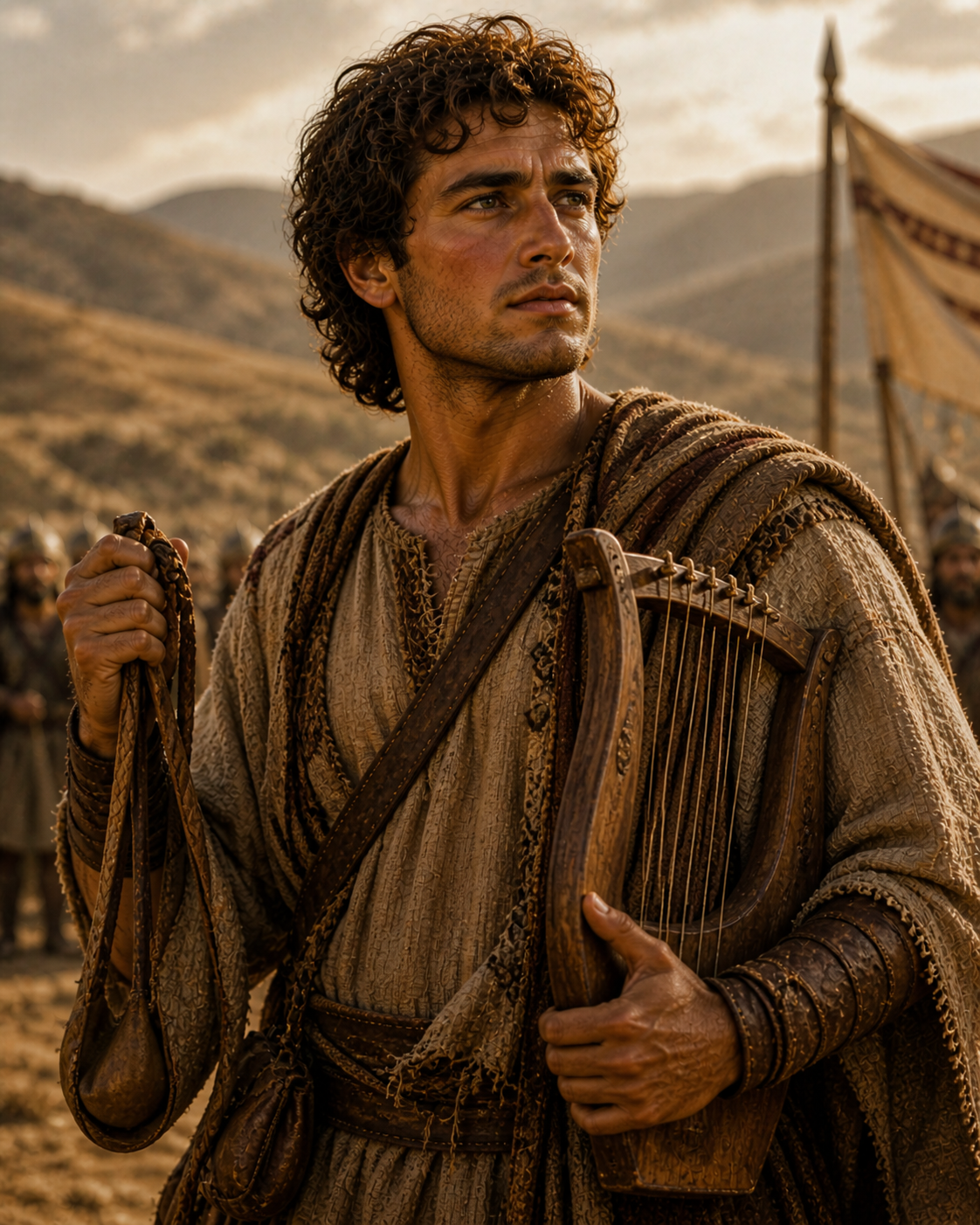
Eighth son of Jesse; anointed by Samuel as king. Killed Goliath; persecuted by Saul; reigned seven years over Judah at Hebron, then thirty-three years over all Israel from Jerusalem. Established Jerusalem as the capital and brought the ark there. Recipient of the everlasting covenant of dynasty (2 Samuel 7). Author of many psalms. Sinned with Bathsheba and against Uriah; repented (Psalm 51). Father of Solomon, Absalom, and many others. The 'man after Yahweh's own heart'.
Davidic descendant in 1 Chronicles 3:24.
Wife of David; mother of Ithream.
Eldest son of Jesse; rebuked David at the Valley of Elah. Distinct from other figures of the same name.
Davidic descendant in 1 Chronicles 3:24. Distinct from Eliashib the high priest.
Davidic descendant; father of seven sons (Hodaviah, Eliashib, Pelaiah, Akkub, Johanan, Delaiah, Anani). The last (Anani) is the final Davidic name in 1 Chronicles 3.
Wife of David; mother of Adonijah.
Son of Zerubbabel; father of Pelatiah and Jeshaiah; through him the Davidic line continues toward the post-exilic period.
Son of Zerubbabel listed in 1 Chronicles 3:20.
Son of Zerubbabel listed among five further sons in 1 Chronicles 3:20.
Davidic descendant; led a group back to Jerusalem with Ezra (Ezra 8:2).
Father of Joseph per Luke 3:23. Tradition (and most modern conservative interpretation) takes Heli as the father of Mary, with Joseph called his son by marriage; Matthew gives Joseph's biological father as Jacob (Matt 1:16).
Son of Ahaz; king of Judah ca. 715–686 BC. One of Judah's three best kings (with David and Josiah). Removed the high places; trusted Yahweh against Sennacherib of Assyria, who lost 185,000 in one night. Granted fifteen extra years of life after a fatal illness. Reigned twenty-nine years.
Davidic descendant in 1 Chronicles 3:23. Distinct from King Hezekiah.
Davidic descendant in 1 Chronicles 3:24.
Son of Jeconiah king of Judah.
Davidic descendant in 1 Chronicles 3:22.
Of the royal house; assassinated Gedaliah and his guards at Mizpah, then slew seventy pilgrims and fled to the Ammonites. Distinct from Ishmael son of Abraham and other Ishmaels.
Sixth son of David, by Eglah.
Per Matthew 1:16, the biological father of Joseph the husband of Mary. Distinct from the patriarch Jacob.
Brother (or cousin in some traditions) of Jesus; initially did not believe but became leader of the Jerusalem church after the resurrection. Author of the epistle of James; chaired the Jerusalem council (Acts 15). Martyred in Jerusalem ca. AD 62. Distinct from James son of Zebedee and James son of Alphaeus.
Shallum
Son of Josiah; reigned three months in 609 BC before Pharaoh Necho deposed him and took him to Egypt where he died. Distinct from Jehoahaz of Israel.
Coniah · Jeconiah
Son of Jehoiakim; reigned three months in 597 BC before surrendering to Nebuchadnezzar and being deported to Babylon. Released from prison thirty-seven years later by Evil-merodach. Recipient of Jeremiah's curse that none of his offspring would prosper on David's throne (Jeremiah 22:30); appears in both Matthean and (debated) other genealogies.
Eliakim
Son of Josiah; king of Judah 609–598 BC, installed by Pharaoh Necho. Burned Jeremiah's scroll. Killed Uriah the prophet. Vassal of Babylon, then rebelled. Died as Nebuchadnezzar arrived; his body 'cast forth beyond the gates' (Jer 22:19). Some traditions count him in Matt 1's omission.
Joram
Son of Jehoshaphat; king of Judah ca. 848–841 BC. Married Athaliah daughter of Ahab; killed his six brothers; walked in the way of the kings of Israel. Died of a horrible bowel disease as Elijah had foretold. Reigned eight years. Distinct from his contemporary Joram of Israel.
Son of Asa; king of Judah ca. 870–848 BC. Walked in the ways of David; sent Levites to teach the law throughout Judah. Allied unwisely with Ahab of Israel; rebuked by Jehu son of Hanani. Defeated Moab and Ammon by song and faith. Reigned twenty-five years.
Jehoshabeath
Daughter of King Jehoram of Judah; sister of Ahaziah; wife of Jehoiada the priest; rescued the infant Joash from Athaliah's massacre and hid him in the temple six years.
Son of Jeconiah king of Judah.
Davidic descendant of Zerubbabel through Hananiah.
Son of Obed; Bethlehemite of Judah; father of David and seven other sons. The 'stump of Jesse' from which the messianic shoot would arise (Isaiah 11:1).
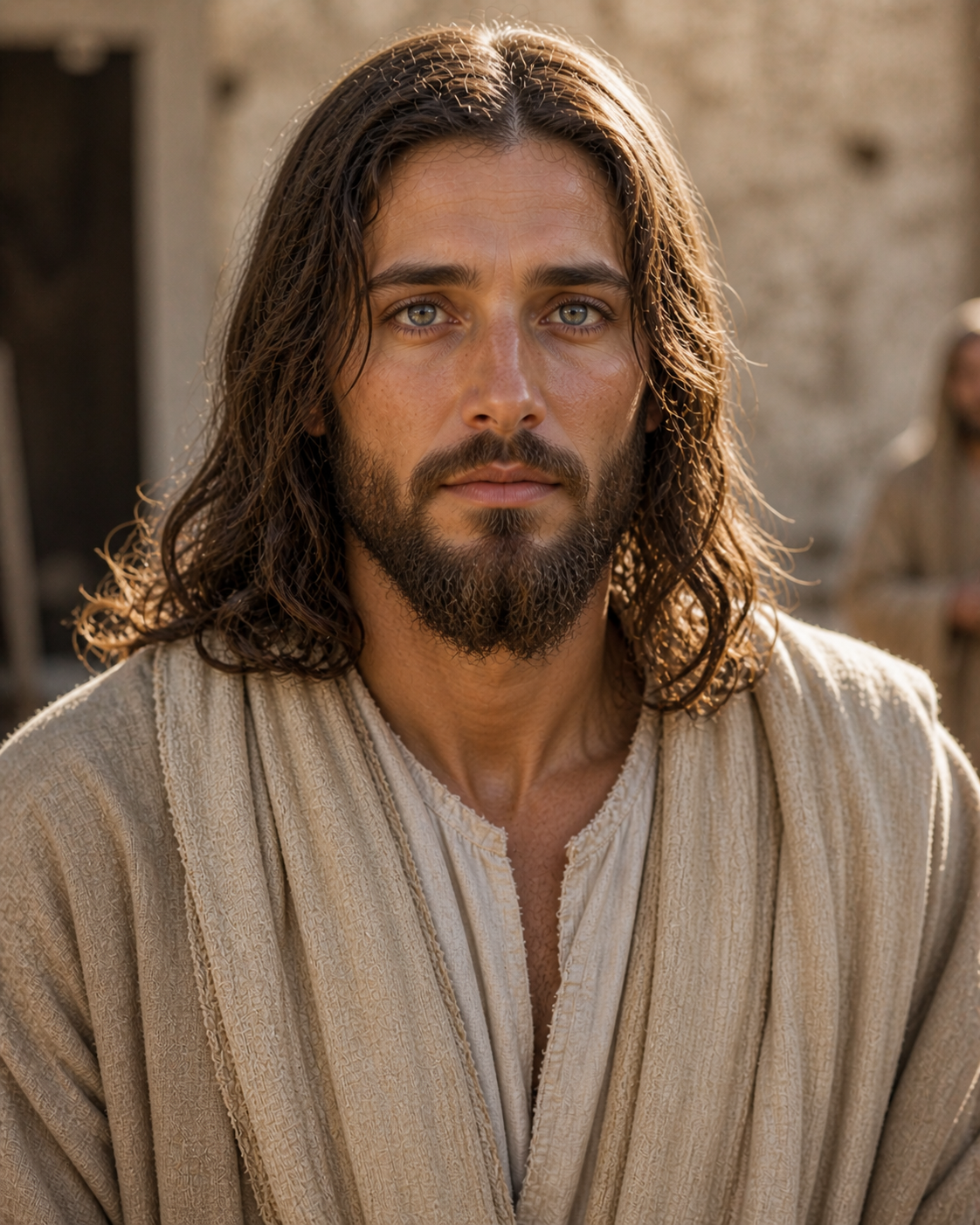
Yeshua · Jesus Christ · The Messiah
Born to the virgin Mary in Bethlehem; raised in Nazareth. Began public ministry at about thirty after his baptism by John. Proclaimed the kingdom of God; healed, taught, gathered twelve disciples. Crucified under Pontius Pilate at Jerusalem, ca. AD 30 or 33. Rose bodily on the third day; appeared to many over forty days; ascended. The Christian confession is that he is the eternal Son of God incarnate, Messiah of Israel, Lord and Savior of the world.
Son of Zeruiah; commander of David's army for most of his reign. Murdered Abner and Amasa in vengeance and political maneuvering. Engineered Uriah's death at David's instruction. Sided with Adonijah; executed at the altar by Benaiah on Solomon's order.
Jehoash
Son of Ahaziah; rescued as an infant by his aunt Jehosheba and hidden six years in the temple by the priest Jehoiada. Crowned at seven; reigned forty years (835–796 BC). Restored the temple. After Jehoiada's death, fell into apostasy and ordered the murder of Zechariah son of Jehoiada. Killed in a conspiracy. Distinct from Jehoash of Israel.
Davidic descendant in 1 Chronicles 3:24.
Davidic carpenter of Nazareth; betrothed and then married to Mary. Received divine assurance in dreams to take Mary as wife and to flee with the family to Egypt. Legal father of Jesus, securing his place in the Davidic line. Last mentioned in scripture during the Jerusalem visit when Jesus was twelve. Distinct from Joseph the patriarch and other Josephs.
Joseph (Matt 13:55)
Brother of Jesus, named in Matthew 13:55 and Mark 6:3.
Son of Amon; king of Judah ca. 640–609 BC. Began reforms at sixteen; the Book of the Law was rediscovered in the temple in his eighteenth year, prompting national repentance. Killed at Megiddo trying to halt Pharaoh Necho. Reigned thirty-one years.
Son of Uzziah; king of Judah ca. 750–732 BC (co-regent for many years during Uzziah's leprosy). Built the upper gate of the temple; subdued the Ammonites; did right in the eyes of Yahweh.
Judas (not Iscariot)
Brother of Jesus and James; author of the epistle of Jude. Distinct from Judas Iscariot and Judas/Thaddeus the apostle.
Son of Zerubbabel listed in 1 Chronicles 3:20.
Aramean princess, daughter of Talmai king of Geshur; wife of David and mother of Absalom and Tamar. Distinct from later women of the same name.
Son of Jeconiah king of Judah, born in exile.
Son of Hezekiah; king of Judah ca. 697–642 BC. Most evil king of Judah; rebuilt high places, set an Asherah pole in the temple, sacrificed his sons. Captured by the Assyrians, repented in exile, and was restored. Reigned fifty-five years, longest of any Judahite king. Distinct from Manasseh son of Joseph.
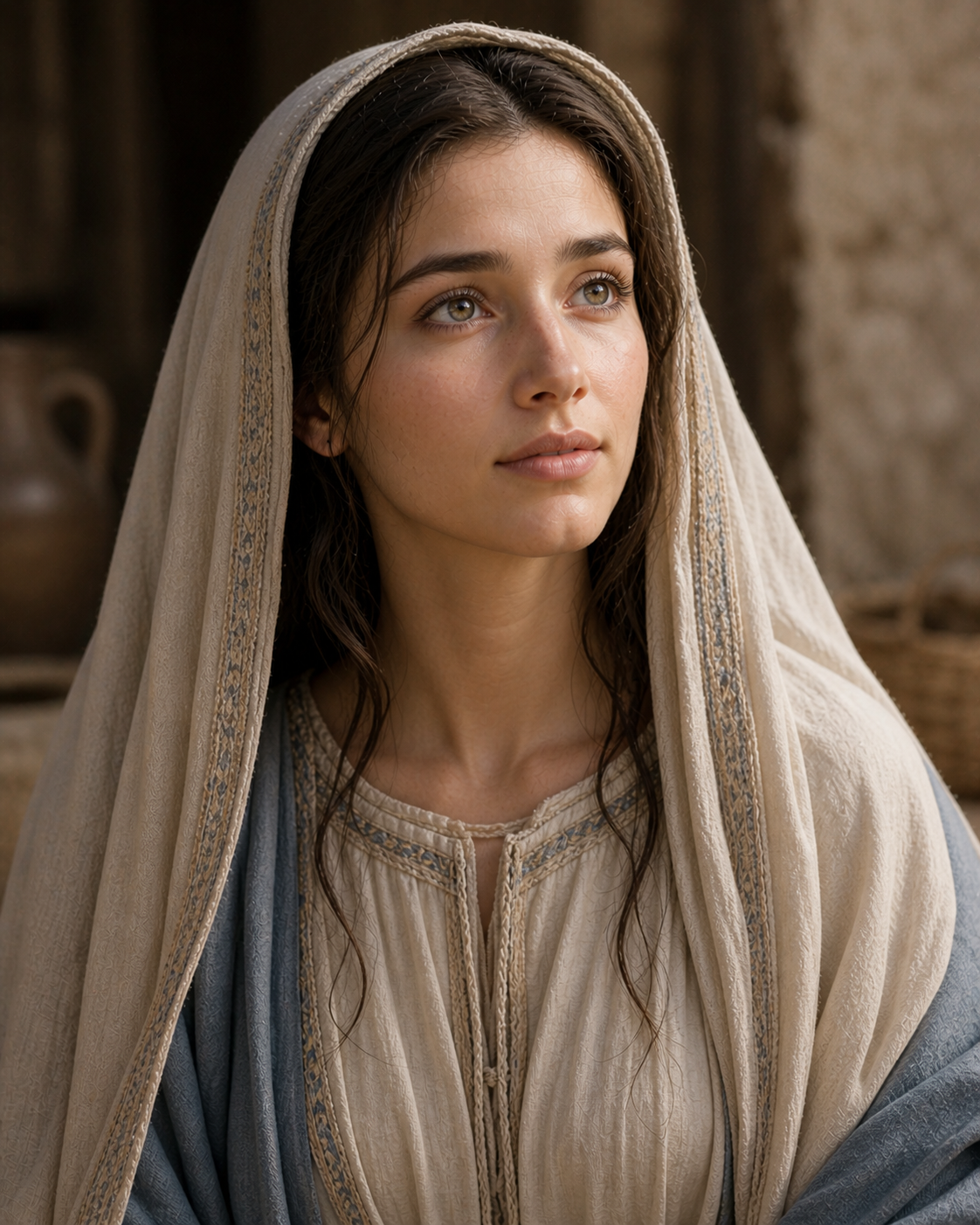
Miriam · Maryam · The Virgin
Davidic virgin of Nazareth; betrothed to Joseph. Conceived Jesus by the Holy Spirit. Sang the Magnificat. Pondered the events of Jesus' birth and ministry. Stood at the cross where Jesus committed her to John. Present in the upper room at Pentecost. Distinct from Mary Magdalene, Mary of Bethany, and Mary of Clopas.
Father of Jacob and grandfather of Joseph the husband of Mary, per Matthew 1:15.
Father of Heli per Luke 3:24 (or grandfather depending on textual variant); intertestamental Davidic ancestor of Mary.
Eldest son of Zerubbabel; brother of Hananiah.
Ammonite wife of Solomon; mother of Rehoboam. Distinct from the Cainite Naamah.
Son of David and Bathsheba; ancestor of Mary the mother of Jesus per Luke 3:31. Distinct from Nathan the prophet.
Davidic descendant; father of Elioenai, Hizkiah, and Azrikam.
Son of Jeconiah king of Judah.
Fourth son of Jesse.
Davidic descendant in the post-exilic genealogy of 1 Chronicles 3:21. Distinct from Obadiah the prophet.
Son of Zerubbabel listed in 1 Chronicles 3:20.
Sixth son of Jesse.
Son of Jeconiah; per 1 Chronicles 3:19, biological father of Zerubbabel (whom Shealtiel raised as his own).
Davidic descendant in 1 Chronicles 3:24.
Davidic descendant of Zerubbabel through Hananiah.
Fifth son of Jesse.
Son of Solomon and Naamah; king of Judah ca. 931–913 BC. Rejected the elders' counsel to lighten the tax burden, prompting the secession of the ten northern tribes under Jeroboam. Reigned seventeen years in Jerusalem.
Davidic descendant in the post-exilic genealogy of 1 Chronicles 3:21.
Shimea
Son of David and Bathsheba, full brother of Solomon.
Davidic descendant in 1 Chronicles 3:22.
Salathiel
Son of Jehoiachin (Jeconiah) per Matthew 1:12 and 1 Chronicles 3:17; father (or adoptive father) of Zerubbabel. The link between the pre-exilic and post-exilic Davidic line.
Davidic descendant in the post-exilic genealogy of 1 Chronicles 3:21-22.
Sister of Meshullam and Hananiah; the only daughter of Zerubbabel named in scripture.
Davidic descendant in 1 Chronicles 3:22; father of six sons (Hattush, Igal, Bariah, Neariah, Shaphat).
Son of Jeconiah; sometimes identified with Sheshbazzar prince of Judah (Ezra 1:8) who first led the return.
Fifth son of David, by Abital.
Prince of Judah appointed governor by Cyrus; brought back the temple vessels and laid the foundation of the second temple. Many identify him with Shenazzar son of Jeconiah (1 Chronicles 3:18); some treat him as a separate figure or as another name for Zerubbabel.
Shammah (1 Sam 16:9) · Shimei · Shimeah
Third son of Jesse; father of Jonadab and Jonathan. Distinct from Shammah the Hararite, one of David's mighty men.
Son of David and Bathsheba.
Brother of Jesus, named in Matthew 13:55 and Mark 6:3. Distinct from the apostles Simon Peter and Simon the Zealot.
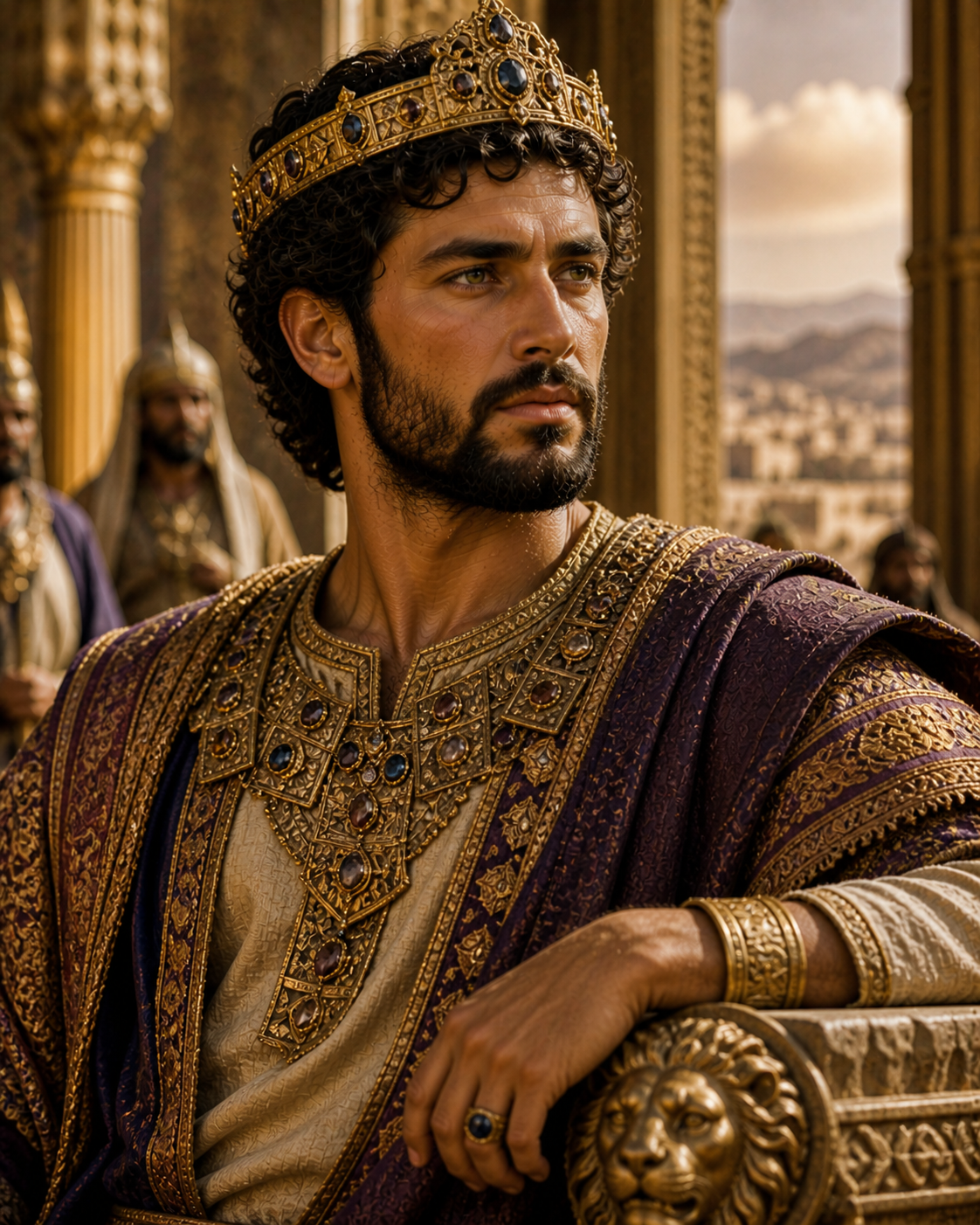
Shlomo · Jedidiah
Son of David and Bathsheba; reigned forty years over the united kingdom. Asked Yahweh for wisdom and was given riches and fame as well. Built the first Jerusalem temple. Author of Proverbs (much), Ecclesiastes (per tradition), and Song of Songs. His many foreign wives turned his heart in old age, leading to the prophesied division of the kingdom under his son Rehoboam.
Daughter of David and Maacah, sister of Absalom; raped by her half-brother Amnon. Distinct from Tamar of Judah.
Azariah
Son of Amaziah; king of Judah ca. 792–740 BC (long co-regency with father). One of Judah's most successful kings: defeated Philistines, Arabs, and Ammonites; rebuilt cities; strengthened the army. Struck with leprosy after presuming to burn incense in the temple; co-regent with his son Jotham thereafter. Year of his death is the year of Isaiah's vision (Isaiah 6).
Mattaniah · Zidkijah
Son of Josiah, uncle of Jehoiachin; last king of Judah, installed by Nebuchadnezzar 597–586 BC. Rebelled in his ninth year; Jerusalem fell on the ninth of Av 586 BC. His sons were killed before his eyes; he was blinded and taken to Babylon where he died.
Great-great-grandson of Hezekiah; prophesied under Josiah ca. 640–620 BC. Theme: the day of Yahweh.
Son of Shealtiel (or of Pedaiah per 1 Chr 3:19); Davidic governor of Judah after the return from Babylon under Cyrus 538 BC. Led the rebuilding of the second temple, completed in 516 BC. Recipient of the signet-ring oracle of Haggai 2:23. Appears in both Matthean and Lukan genealogies.
Sister (or half-sister) of David; mother of Joab, Abishai, and Asahel.
Curation status: Primeval (Genesis 1–11), patriarchs (Genesis 12–50), Exodus/Numbers, Joshua/Judges/Ruth, the united and divided monarchies (Saul, David, all kings of Judah and Israel), the writing prophets, post-exilic figures (Zerubbabel, Ezra, Nehemiah, Esther), the Holy Family, John the Baptist, the Twelve, and the early apostolic generation are all in. 2,781figures curated so far. The remaining named biblical figures (priestly genealogies in 1 Chronicles, the post-exile lists in Ezra/Nehemiah, the obscure persons in Acts and the epistles) are pending. Every claim is rigorously sourced; gaps mean “not yet curated”, not “not in scripture”.