
Every named figure.
Lifespans, relatives, and scripture references. Every claim is traceable; tradition tags surface where readings differ.
323 of 2,781 curated.

Azariah
Friend of Daniel; preserved in the fiery furnace.

Sister of David; wife of Jether the Ishmaelite (or Israelite) and mother of Amasa. Distinct from Abigail wife of David (the widow of Nabal).
Abijam (1 Kings)
Son of Rehoboam and Maacah; king of Judah ca. 913–911 BC. Reigned three years; warred with Jeroboam. Distinct from Abijah son of Samuel and other figures.
Second son of Jesse.
Son of Zeruiah, brother of Joab and Asahel; chief of the Three (or Thirty), David's most loyal mighty man. Restrained David from killing Saul; rescued David from the Philistine giant Ishbi-benob.
Achar (1 Chr 2:7)
Son of Carmi of the Zerahite clan of Judah; took devoted plunder at Jericho, causing Israel's defeat at Ai. Stoned in the Valley of Achor.
Achan (Joshua 7)
Son of Carmi; took of the devoted thing at Jericho and was stoned in the Valley of Achor with his household. The Chronicler calls him 'Achar, the troubler of Israel' (1 Chronicles 2:7), explicitly punning on Achor.
Daughter of Caleb; given in marriage to Othniel after he captured Kiriath-sepher. Asked her father for springs of water in addition to her southern Negev land.
Father of Maaseiah, one of Jehoiada's captains (2 Chronicles 23:1). Distinct from other Adaiahs.
Father of Hazaiah of the Shilonites (Nehemiah 11:5).
Judahite descendant of Coz; head of the Aharhel families (1 Chronicles 4:8).
Son of Jotham; king of Judah ca. 735–715 BC. Sacrificed his sons in the fire; burned incense at the high places. Submitted to Tiglath-pileser III of Assyria for protection from the Syro-Ephraimite alliance. Recipient of Isaiah's Immanuel prophecy (Isaiah 7).
Son of Jehoram of Judah and Athaliah; reigned one year (841 BC). Walked in the way of the house of Ahab. Killed by Jehu while visiting his wounded uncle Joram of Israel. Distinct from Ahaziah of Israel.
Father of Zabad listed among David's mighty men (1 Chronicles 11:41). Distinct from Ahlai daughter of Sheshan (1 Chronicles 2:31).
Judahite descendant of Hur of the family of the Zorathites.
Son of Ashhur and Naarah.
Davidic descendant in 1 Chronicles 3:24.
Great-grandfather of Athaiah (Nehemiah 11:4).
Son of Abigail David's sister; commander of Absalom's army during the revolt. After David's restoration, replaced Joab as commander, only to be murdered by Joab.
Captain of 200,000 mighty men under Jehoshaphat who willingly offered himself to the LORD (2 Chronicles 17:16).
Son of Joash; king of Judah ca. 796–767 BC. Defeated Edom but adopted their gods. Defeated by Joash of Israel. Killed in a conspiracy at Lachish. Reigned twenty-nine years.
Father of Uthai. Distinct from Ammihud the Ephraimite, Ammihud the Simeonite, Ammihud of Naphtali, and Ammihud father of Talmai of Geshur.
Son of Ram; father of Nahshon, the prince of Judah in the wilderness, and of Elisheba, wife of Aaron the high priest.
Son of Shimon in the Judahite list. Distinct from Amnon son of David.
Son of Manasseh; king of Judah ca. 642–640 BC. Continued his father's idolatry without his repentance; assassinated in his palace after two years.
Shepherd and dresser of sycamore figs from Tekoa in Judah; prophesied to the northern kingdom under Jeroboam II ca. 760 BC. Denounced Israel's social injustice and false security. Confronted by Amaziah priest of Bethel.
Last Davidic name in 1 Chronicles 3; ends the post-exilic Davidic genealogy, c. 5th-4th century BC.
Son of Coz of Judah.
Son of Caleb son of Hezron by Azubah.
Davidic descendant in the post-exilic genealogy of 1 Chronicles 3:21.
Son of Abijah; king of Judah ca. 911–870 BC. Reformer who removed idols and the male cult prostitutes; relied on foreign alliance with Aram in his later years and was rebuked by the seer Hanani. Reigned forty-one years.
Son of Zeruiah, brother of Joab and Abishai; swift-footed warrior. Pursued Abner after the battle of Gibeon and was killed by him in self-defense, prompting Joab's blood-vengeance.
Firstborn of the Shilonites among the Judahite returnees in Jerusalem (1 Chronicles 9:5). Shilonites here = descendants of Shelah son of Judah.
Son of Jehallelel in the Judahite genealogy (1 Chronicles 4:16).
Son of Jehallelel.
Eponym of 'the house of Ashbea' — a guild of fine linen workers descending from the Shelah line (1 Chronicles 4:21).
Judahite born to Hezron after Hezron's death (1 Chronicles 2:24); father of Tekoa by his wives Helah and Naarah.
Son of Jeconiah (Jehoiachin) listed in 1 Chronicles 3:17. Some take 'Assir' as a title meaning 'the captive' rather than a personal name.
Of the descendants of Perez; one of the leaders dwelling in Jerusalem after the return (Nehemiah 11:4).
Son of Jarha and Sheshan's daughter; perpetuator of Sheshan's line. Distinct from Attai the Gadite warrior who joined David at Ziklag (1 Chronicles 12:11) and Attai son of Rehoboam (2 Chronicles 11:20).
Son of Rehoboam by Maacah daughter of Absalom (2 Chronicles 11:20). Distinct from Attai son of Jarha and Attai the Gadite warrior.
Son of Jehoshaphat, killed by his brother Jehoram (2 Chronicles 21:2,4).
Captain of hundreds enlisted by Jehoiada the priest in the coup against Athaliah (2 Chronicles 23:1).
Captain of hundreds in Jehoiada's coup against Athaliah (2 Chronicles 23:1).
Son of Jehoshaphat, killed by his brother Jehoram (2 Chronicles 21:2,4). Variant spelling of Azariah, but listed separately in MT alongside his brother Azariah.
Davidic descendant in 1 Chronicles 3:23.
First wife of Caleb son of Hezron; mother of Jesher, Shobab, and Ardon. Distinct from Azubah the mother of king Jehoshaphat (1 Kings 22:42).
Earliest named ancestor of Uthai in 1 Chronicles 9:4; from the line of Perez. Distinct from many other Banis.
Davidic descendant in 1 Chronicles 3:22.
Father of Maaseiah of the Shilonites (Nehemiah 11:5).
Daughter of Solomon; wife of Ahimaaz the Solomonic district officer in Naphtali.
Prince of Judah sent by Jehoshaphat to teach the law throughout Judah (2 Chronicles 17:7).
Son of Shimon.
Son of Ishi (or, per Hebrew, 'son of Zoheth') in 1 Chronicles 4:20.
Son of Zerubbabel listed in 1 Chronicles 3:20.
Son of Eshton in the Judahite list (1 Chronicles 4:12).
Son of Uri, son of Hur. Yahweh filled him with the Spirit of God in wisdom, understanding, knowledge, and all manner of workmanship — the first man scripture says was filled with the Spirit. Chief craftsman of the tabernacle, ark, mercy seat, table, lampstand, altar, laver, and priestly vestments.
Wealthy Bethlehemite of Judah; son of Salmon and Rahab. Acted as kinsman-redeemer for Naomi, marrying Ruth and fathering Obed. Pillar of the temple Jachin/Boaz named for him.
Son of Jerahmeel firstborn of Hezron, named in the Jerahmeelite genealogy of Judah (1 Chronicles 2:25).
Wise man of Judah; one of the four named in 1 Kings 4:31.
Son of Jephunneh the Kenizzite; one of the twelve spies and one of only two (with Joshua) who urged faith in Yahweh's promise. Inherited Hebron at age 85. Distinct from Caleb son of Hezron (1 Chronicles 2:18).
Son of Zerah son of Judah (per 1 Chronicles 2:7; Joshua 7:1 says 'son of Zabdi' through whom Carmi traces). Father of Achan/Achar. Distinct from Carmi son of Reuben (Genesis 46:9).
Father of Achan; descendant of Zerah son of Judah.
Judahite, brother of Shuhah; father of Mehir, who fathered Eshton.
Caleb (1 Chronicles 2:18)
Third son of Hezron; called Chelubai in 1 Chronicles 2:9 and Caleb in 2:18. Distinct from Caleb son of Jephunneh, the spy and warrior of the conquest. Father of Jesher, Shobab, Ardon (by Azubah) and of Hur (by Ephrathah).
Younger son of Elimelech and Naomi; husband of Orpah; died in Moab childless.
Judahite descendant of Ashhur; father of Anub, Zobebah, and the families of Aharhel.
One of the seven sons of Elioenai in the post-exilic Davidic genealogy (1 Chronicles 3:24).
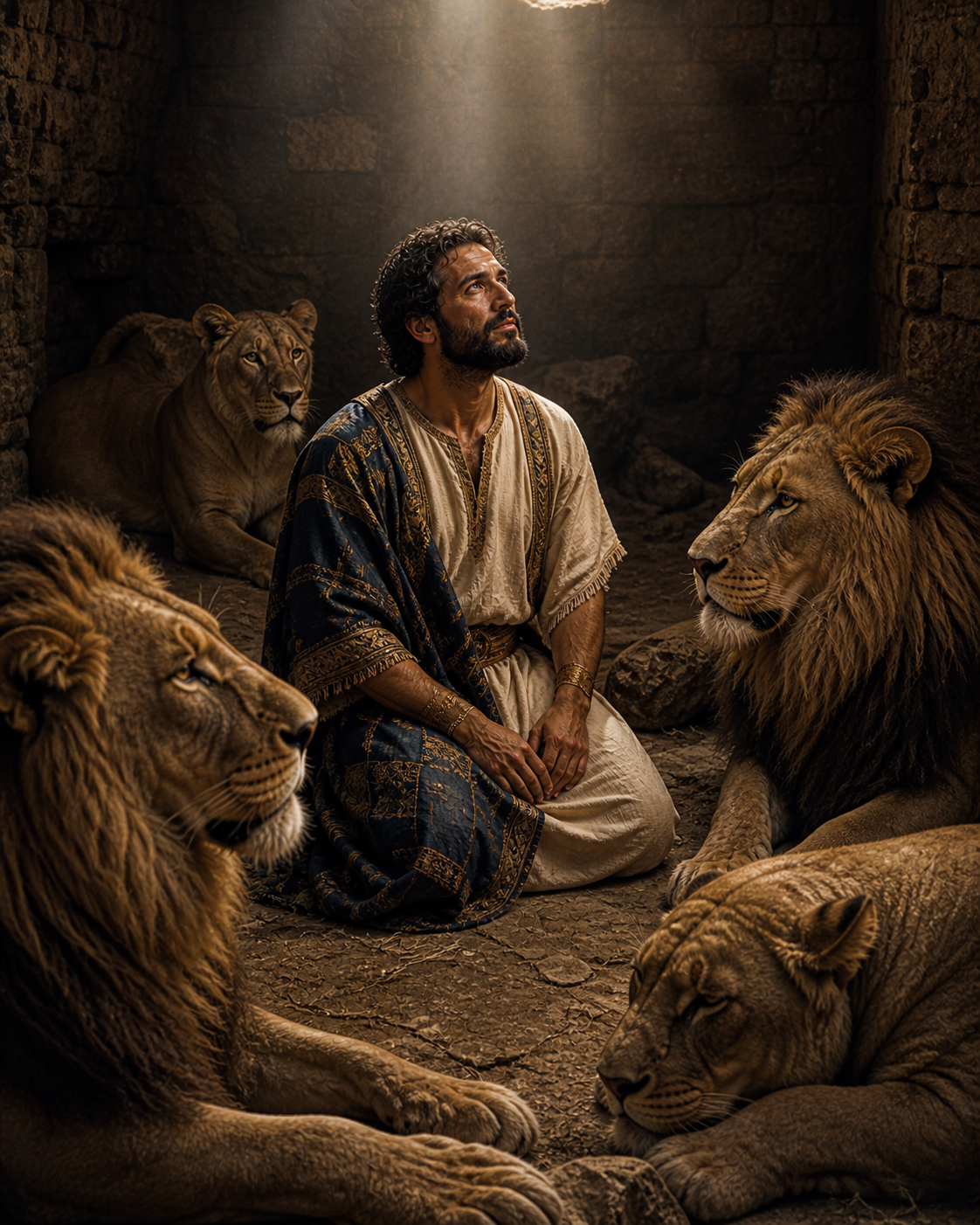
Of royal Judahite line; deported to Babylon in 605 BC as a youth. Refused the king's food; given understanding in dreams and visions. Served Nebuchadnezzar, Belshazzar, Darius the Mede, and Cyrus. Survived the lions' den. Received the 70-weeks prophecy and the visions of the four kingdoms. Distinct from Daniel/Chileab son of David.
Dara (1 Chronicles 2:6)
Wise man of Judah; one of the four named in 1 Kings 4:31.
Bath-shua
Canaanite wife of Judah; mother of his three sons Er, Onan, and Shelah. Called Bath-shua ('daughter of Shua') in 1 Chronicles 2:3 — a designation rather than a personal name.
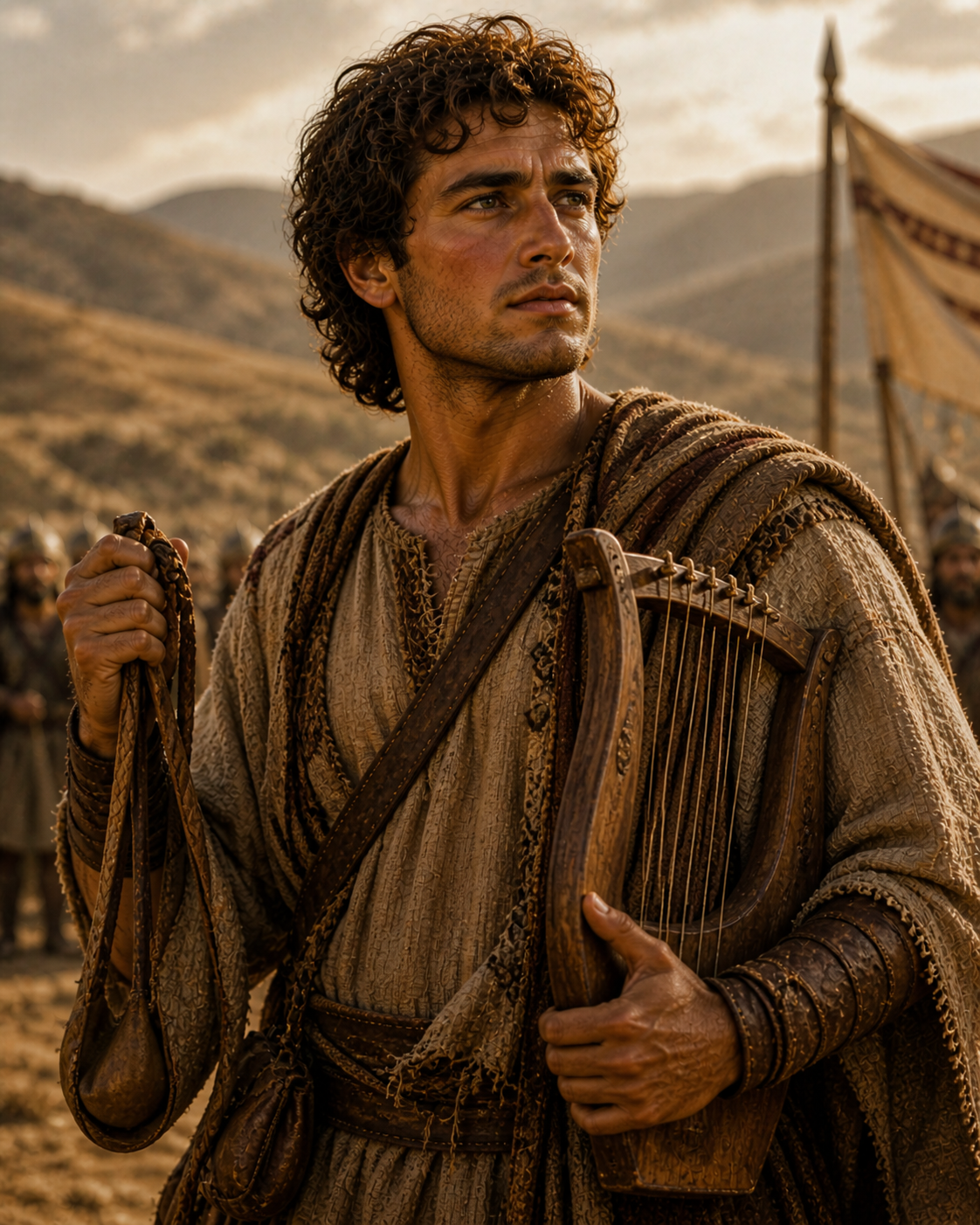
Eighth son of Jesse; anointed by Samuel as king. Killed Goliath; persecuted by Saul; reigned seven years over Judah at Hebron, then thirty-three years over all Israel from Jerusalem. Established Jerusalem as the capital and brought the ark there. Recipient of the everlasting covenant of dynasty (2 Samuel 7). Author of many psalms. Sinned with Bathsheba and against Uriah; repented (Psalm 51). Father of Solomon, Absalom, and many others. The 'man after Yahweh's own heart'.
Davidic descendant in 1 Chronicles 3:24.
Son of Caleb son of Jephunneh; father of Kenaz (1 Chronicles 4:15). Distinct from Elah king of Israel and other Elahs.
Eldest son of Jesse; rebuked David at the Valley of Elah. Distinct from other figures of the same name.
Beeliada
Son of David born in Jerusalem (2 Samuel 5:16; 1 Chronicles 3:8); called Beeliada in 1 Chronicles 14:7, an older form preserving the divine epithet 'Baal' before its later replacement by 'el'.
Davidic descendant in 1 Chronicles 3:24. Distinct from Eliashib the high priest.
Tribal officer over Judah in David's administration. Likely the same as Eliab David's eldest brother (1 Samuel 16:6) or a separate brother named only here.
Bethlehemite of Judah; husband of Naomi. In a famine, took his family to Moab where he died.
Davidic descendant; father of seven sons (Hodaviah, Eliashib, Pelaiah, Akkub, Johanan, Delaiah, Anani). The last (Anani) is the final Davidic name in 1 Chronicles 3.
Son of David born in Jerusalem, last named in his Jerusalem children list (2 Samuel 5:16; 1 Chronicles 3:8; 1 Chronicles 14:7).
Son of David born in Jerusalem (2 Samuel 5:16; 1 Chronicles 3:8; 1 Chronicles 14:7). Distinct from Elishama son of Ammihud (Ephraim's chief at the wilderness census).
Captain of hundreds in Jehoiada's coup against Athaliah (2 Chronicles 23:1).
Daughter of Amminadab and sister of Nahshon; wife of Aaron and mother of Nadab, Abihu, Eleazar, and Ithamar. Linked the priestly house to the royal tribe of Judah.
Elishama (1 Chr 3:6)
Son of David born in Jerusalem (2 Samuel 5:15; 1 Chronicles 14:5); 1 Chronicles 3:6 reads 'Elishama' for this son, generally taken as scribal error.
Eliphelet (1 Chr 3:6) · Elpalet
Son of David born in Jerusalem (1 Chronicles 14:5); called Eliphelet in the parallel 1 Chronicles 3:6, distinct from the later Eliphelet of 1 Chronicles 3:8 / 14:7.
Son of Ezrah in 1 Chronicles 4:17. Distinct from Epher son of Midian and Epher of the Manassites.
Descendant of Jerahmeel of Judah; son of Zabad and father of Obed in the Chronicler's Jerahmeelite genealogy (1 Chronicles 2:37).
Ephrath
Second wife of Caleb son of Hezron after Azubah's death; mother of Hur. Eponymous of Ephrath/Bethlehem.
Firstborn of Judah by the daughter of Shua; husband of Tamar. Killed by Yahweh because he was wicked, before fathering any children.
Father of Lecah; descendant of Shelah son of Judah (1 Chronicles 4:21). Distinct from Er the firstborn of Judah by Tamar.
Son of Ishbah son of Mered (1 Chronicles 4:17); eponym of the Levitical city of Eshtemoa. Distinct from Eshtemoa the Maacathite of v. 19.
Eponym of the Maacathite family of Eshtemoa (a Levitical city in southern Judah). Distinct from Eshtemoa son of Ishbah.
Son of Mehir; father of Beth-rapha, Paseah, and Tehinnah father of Ir-nahash.
Patriarch of a Judahite family group in 1 Chronicles 4:3, with sons Jezreel, Ishma, and Idbash and daughter Hazzelelponi. Often understood as the eponym of the place of Etam (cf. Judges 15:8).
Wise man, son of Zerah son of Judah; named alongside Heman, Calcol, and Darda in 1 Kings 4:31 as those whose wisdom Solomon's surpassed. Author of Psalm 89 (per its superscription).
Son of Ashhur and Helah.
Judahite of the Hur line; father of Hushah (the Hushathite ancestral place from which Sibbecai the warrior came). Distinct from many other Ezers.
Father of Jether, Mered, Epher, and Jalon in 1 Chronicles 4:17.
Calebite — both as son of Caleb by his concubine Ephah and as grandson of the same Caleb through Haran (1 Chronicles 2:46).
Son of Ashhur and Naarah.
Son of Perez; founder of the Hamulite clan within Judah.
Son of Zerubbabel; father of Pelatiah and Jeshaiah; through him the Davidic line continues toward the post-exilic period.
Judahite, father of Aharhel whose families descend from him (1 Chronicles 4:8).
Son of Zerubbabel listed in 1 Chronicles 3:20.
Son of Zerubbabel listed among five further sons in 1 Chronicles 3:20.
Son of Othniel the first judge, named in the Calebite genealogy of Judah (1 Chronicles 4:13).
Davidic descendant; led a group back to Jerusalem with Ezra (Ezra 8:2).
Father of Col-hozeh of the Shilonites (Nehemiah 11:5).
Zelelponi
Sister of Jezreel, Ishma, and Idbash in the Judahite genealogy of 1 Chronicles 4:3.
Son of Mered and Jehudijah; father of Soco. Distinct from Heber the Kenite and Heber son of Beriah of Asher.
Wife of Ashhur father of Tekoa; mother of Zereth, Izhar, Ethnan, and Coz.
Father of Joseph per Luke 3:23. Tradition (and most modern conservative interpretation) takes Heli as the father of Mary, with Joseph called his son by marriage; Matthew gives Joseph's biological father as Jacob (Matt 1:16).
Wise man of Judah, son of Zerah; titular author of Psalm 88. Distinct from Heman the Levitical singer (1 Chronicles 6:33, 25:1-6).
Son of Ashhur and Naarah. Distinct from Hepher son of Gilead.
Son of Ahaz; king of Judah ca. 715–686 BC. One of Judah's three best kings (with David and Josiah). Removed the high places; trusted Yahweh against Sennacherib of Assyria, who lost 185,000 in one night. Granted fifteen extra years of life after a fatal illness. Reigned twenty-nine years.
Son of Perez; father of Jerahmeel, Ram, and Caleb (Chelubai). Through Ram, ancestor of David. Distinct from Hezron son of Reuben.
Davidic descendant in 1 Chronicles 3:23. Distinct from King Hezekiah.
Davidic descendant in 1 Chronicles 3:24.
Judahite who married the sister of Naham; ancestor of Keilah the Garmite and Eshtemoa the Maacathite. Distinct from Hodiah the Levite teacher of Nehemiah 8 and Hodiah the sealer.
Son of Jeconiah king of Judah.
Companion of Moses and Aaron who held up Moses' hands at the battle with Amalek; left in charge of Israel with Aaron during Moses' ascent of Sinai. Grandfather of Bezalel.
Son of Caleb son of Hezron by Ephrathah. Father of Uri and grandfather of Bezalel the temple craftsman. Also called 'father of Bethlehem' (1 Chronicles 4:4). The Hur who supported Moses' hands at Rephidim (Exodus 17:10-12) and stayed with Aaron during Moses' ascent (Exodus 24:14) is identified by tradition with this Hur.
Son of David born in Jerusalem (2 Samuel 5:15; 1 Chronicles 3:6; 1 Chronicles 14:5).
Brother of Jezreel and Ishma in the Judahite list of Etam.
Davidic descendant in 1 Chronicles 3:22.
Great-grandfather of Uthai. Distinct from Imri father of Zaccur the wall-builder.
Son of Tehinnah, eponym of the city of Nahash; the formula 'X father of Y' often denotes the founder/clan-head of the named place.
Son of Caleb son of Jephunneh; brother of Elah and Naam.
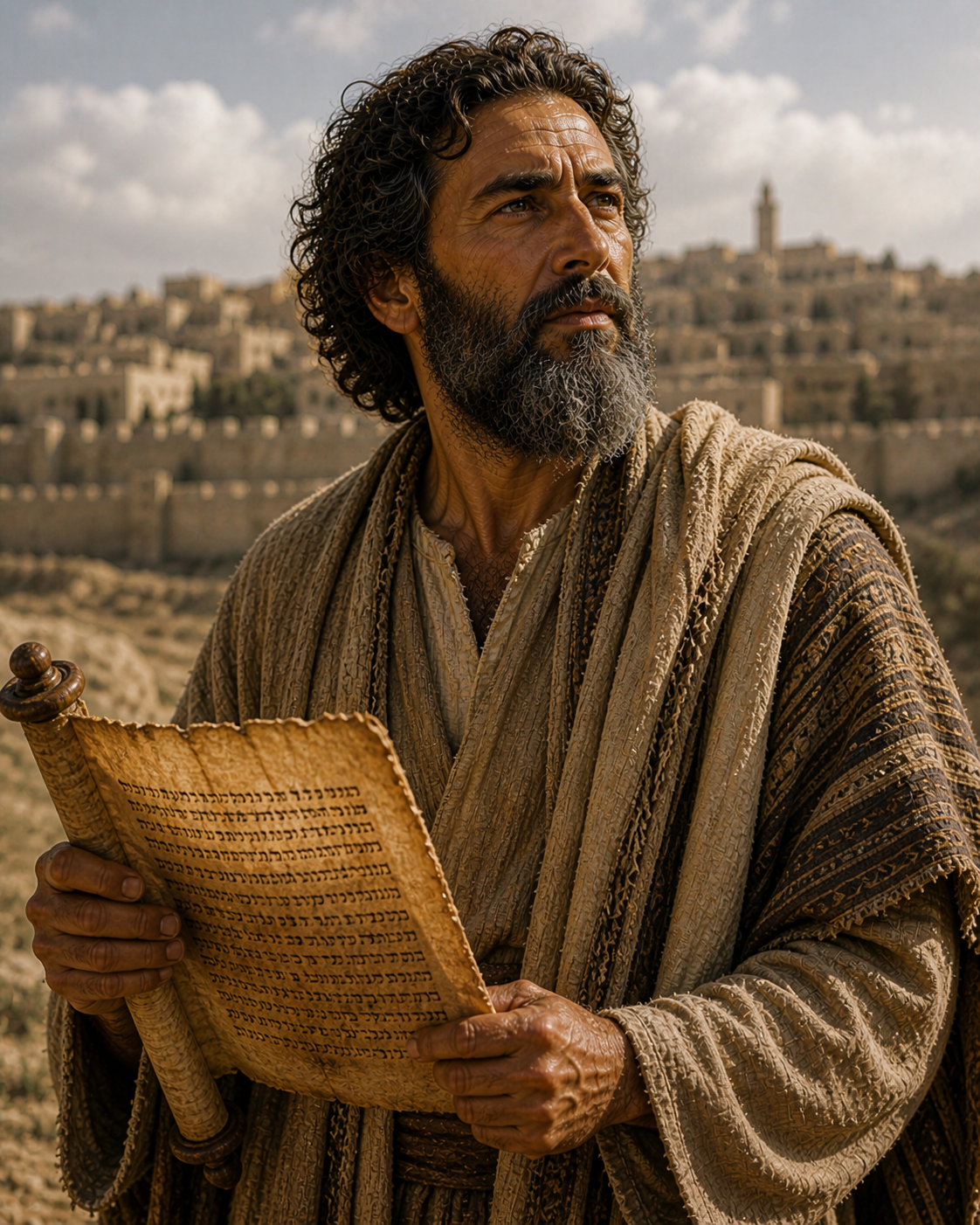
Son of Amoz; prophet of Judah ca. 740–680 BC during the reigns of Uzziah, Jotham, Ahaz, and Hezekiah. Vision of Yahweh in the temple in the year King Uzziah died. Author of the book bearing his name. Tradition says he was sawn in two under Manasseh (cf. Hebrews 11:37). Greatest of the writing prophets; saturated with messianic promise.
Son listed in 1 Chronicles 4:17 (text uncertain whether of Mered or Miriam); 'father of Eshtemoa.'
Father of Zoheth and Ben-zoheth in 1 Chronicles 4:20. Distinct from Ishi the Simeonite (1 Chronicles 4:42) and Ishi the Manassite.
Brother of Jezreel and Idbash in the Judahite list of Etam.
Captain of hundreds in Jehoiada's coup against Athaliah (2 Chronicles 23:1). Distinct from Ishmael son of Nethaniah.
Of the royal house; assassinated Gedaliah and his guards at Mizpah, then slew seventy pilgrims and fled to the Ammonites. Distinct from Ishmael son of Abraham and other Ishmaels.
Zohar
Son of Ashhur and Helah. Distinct from Izhar son of Kohath.
Jezoar (KJV)
Son of Ashhur of Tekoa by his wife Helah. Distinct from Izhar the Kohathite Levite (father of Korah).
Judahite of greater honor than his brothers, named for the pain of his birth; prayed that God would bless him, enlarge his border, and keep him from evil — and God granted his request (1 Chronicles 4:9-10). His clan included scribes who lived at Jabez.
Per Matthew 1:16, the biological father of Joseph the husband of Mary. Distinct from the patriarch Jacob.
Judahite descendant of Hur; ancestor of Ahumai and Lahad.
Son of Reaiah son of Shobal in the Judahite Hur line; father of Ahumai and Lahad of the Zorathite families. Distinct from Jahath the Levite of Gershom and Jahath the Merarite.
Calebite ancestor in the genealogy of Judah, whose six sons (Regem, Jotham, Geshan, Pelet, Ephah, Shaaph) are listed in 1 Chronicles 2:47.
Son of Segub. Took twenty-three cities in Gilead, called Havvoth-jair (Numbers 32:41, Deuteronomy 3:14). The judge Jair of Gilead (Judges 10:3-5) is a later figure of the same name.
Son of Ezrah in the Judahite genealogy.
Brother (or cousin in some traditions) of Jesus; initially did not believe but became leader of the Jerusalem church after the resurrection. Author of the epistle of James; chaired the Jerusalem council (Acts 15). Martyred in Jerusalem ca. AD 62. Distinct from James son of Zebedee and James son of Alphaeus.
Son of David born in Jerusalem (2 Samuel 5:15; 1 Chronicles 3:7; 1 Chronicles 14:6). Distinct from Japhia king of Lachish.
Egyptian servant of Sheshan; given Sheshan's daughter as wife. Through her bore Attai and continued the line.
Of the Shelanites in 1 Chronicles 4:22; the place-name and the personal name are difficult to disentangle in the Hebrew.
One of the seven sons of Jeconiah the captive named in the post-exilic Davidic genealogy (1 Chronicles 3:18).
Father of Ziph, Ziphah, Tiria, and Asarel in 1 Chronicles 4:16.
Son of Jehoshaphat, killed by his brother Jehoram (2 Chronicles 21:2,4).
Shallum
Son of Josiah; reigned three months in 609 BC before Pharaoh Necho deposed him and took him to Egypt where he died. Distinct from Jehoahaz of Israel.
Captain of 280,000 men under Jehoshaphat (2 Chronicles 17:15). Distinct from Jehohanan the Korahite, Jehohanan father of Ishmael, and Jehohanan the high priest.
Father of Ishmael, one of Jehoiada's captains (2 Chronicles 23:1).
Coniah · Jeconiah
Son of Jehoiakim; reigned three months in 597 BC before surrendering to Nebuchadnezzar and being deported to Babylon. Released from prison thirty-seven years later by Evil-merodach. Recipient of Jeremiah's curse that none of his offspring would prosper on David's throne (Jeremiah 22:30); appears in both Matthean and (debated) other genealogies.
Eliakim
Son of Josiah; king of Judah 609–598 BC, installed by Pharaoh Necho. Burned Jeremiah's scroll. Killed Uriah the prophet. Vassal of Babylon, then rebelled. Died as Nebuchadnezzar arrived; his body 'cast forth beyond the gates' (Jer 22:19). Some traditions count him in Matt 1's omission.
Joram
Son of Jehoshaphat; king of Judah ca. 848–841 BC. Married Athaliah daughter of Ahab; killed his six brothers; walked in the way of the kings of Israel. Died of a horrible bowel disease as Elijah had foretold. Reigned eight years. Distinct from his contemporary Joram of Israel.
Son of Asa; king of Judah ca. 870–848 BC. Walked in the ways of David; sent Levites to teach the law throughout Judah. Allied unwisely with Ahab of Israel; rebuked by Jehu son of Hanani. Defeated Moab and Ammon by song and faith. Reigned twenty-five years.
Jehoshabeath
Daughter of King Jehoram of Judah; sister of Ahaziah; wife of Jehoiada the priest; rescued the infant Joash from Athaliah's massacre and hid him in the temple six years.
The Jewess (1 Chronicles 4:18)
One of the two named wives of Mered in 1 Chronicles 4:18; mother of Jered, Heber, and Jekuthiel. The Hebrew literally reads 'his Jewish wife.'
Son of Jeconiah king of Judah.
Son of Mered and Jehudijah; father of Zanoah.
Father of Caleb; the Kenizzite (an Edomite-related lineage absorbed into Judah).
Firstborn of Hezron and brother of Ram and Caleb (Chelubai). Eponymous progenitor of the Jerahmeelites of the southern Negev (1 Samuel 27:10, 30:29).
Father of Gedor
Son of Mered and Jehudijah; founder of Gedor. Distinct from Jared the antediluvian.
Son of David, father of Mahalath wife of Rehoboam (2 Chronicles 11:18). Likely born of a concubine since not in the canonical son lists.
Father of Azariah, one of Jehoiada's captains (2 Chronicles 23:1). Distinct from many other Jerohams.
Davidic descendant of Zerubbabel through Hananiah.
Son of Caleb son of Hezron by Azubah.
Son of Obed; Bethlehemite of Judah; father of David and seven other sons. The 'stump of Jesse' from which the messianic shoot would arise (Isaiah 11:1).
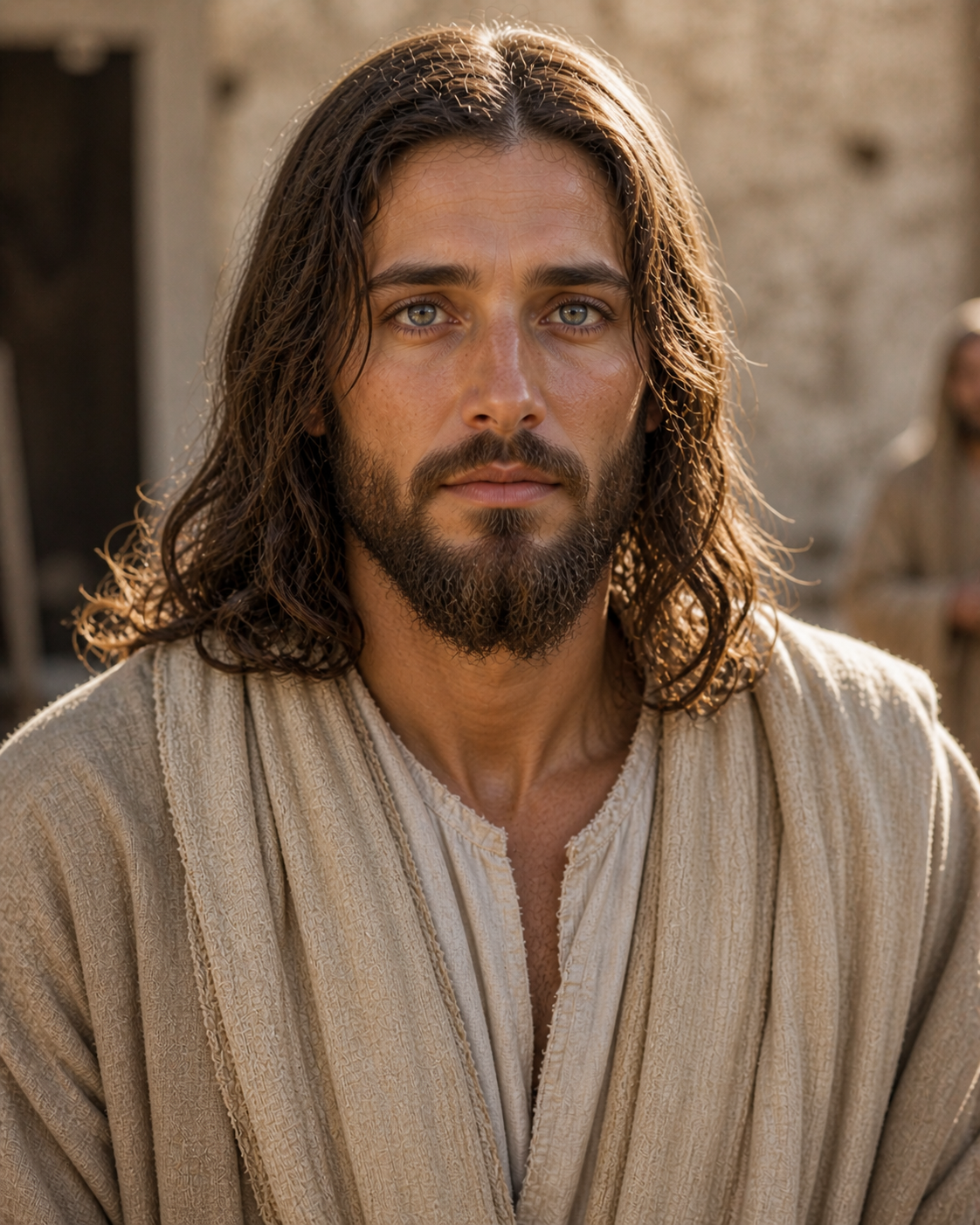
Yeshua · Jesus Christ · The Messiah
Born to the virgin Mary in Bethlehem; raised in Nazareth. Began public ministry at about thirty after his baptism by John. Proclaimed the kingdom of God; healed, taught, gathered twelve disciples. Crucified under Pontius Pilate at Jerusalem, ca. AD 30 or 33. Rose bodily on the third day; appeared to many over forty days; ascended. The Christian confession is that he is the eternal Son of God incarnate, Messiah of Israel, Lord and Savior of the world.
Son of Ezrah in the Judahite list (1 Chronicles 4:17). Distinct from Jether father of Amasa, Jether son of Gideon, and Jether the Ishmaelite.
Of the sons of Zerah son of Judah, dwelling in Jerusalem after the return (1 Chronicles 9:6). Distinct from Jeuel the Reubenite chief and Jeuel the Levite.
Son of Rehoboam by Mahalath (2 Chronicles 11:19). Distinct from Jeush son of Esau and Jeush of Bilhan.
Son of Helah, one of the two wives of Ashhur the father of Tekoa, in the Judahite genealogy (1 Chronicles 4:7).
Son of Etam (or Etam's father, per LXX) in the Judahite genealogy of 1 Chronicles 4:3. Distinct from Jezreel the city and the symbolic son of Hosea.
Son of Zeruiah; commander of David's army for most of his reign. Murdered Abner and Amasa in vengeance and political maneuvering. Engineered Uriah's death at David's instruction. Sided with Adonijah; executed at the altar by Benaiah on Solomon's order.
Son of Seraiah; ancestor of the craftsmen of Ge-harashim ('Valley of Craftsmen'). Distinct from Joab son of Zeruiah.
Son of Seraiah; founded Ge-harashim, the Valley of Craftsmen, so called because the inhabitants were artisans. Distinct from Joab son of Zeruiah.
Recorder during Josiah's temple repairs (2 Chronicles 34:8). Distinct from Joah son of Asaph the recorder under Hezekiah.
Father of Joah the recorder during Josiah's reign (2 Chronicles 34:8). Distinct from Jehoahaz king of Israel and Jehoahaz son of Josiah.
Judahite who 'had dominion in Moab' (1 Chronicles 4:22). Distinct from Joash king of Judah, Joash king of Israel, Joash father of Gideon, and Joash the Benjamite warrior.
Jehoash
Son of Ahaziah; rescued as an infant by his aunt Jehosheba and hidden six years in the temple by the priest Jehoiada. Crowned at seven; reigned forty years (835–796 BC). Restored the temple. After Jehoiada's death, fell into apostasy and ordered the murder of Zechariah son of Jehoiada. Killed in a conspiracy. Distinct from Jehoash of Israel.
Davidic descendant in 1 Chronicles 3:24.
Ancestor of the Shilonite Maaseiah of Jerusalem (Nehemiah 11:5). Distinct from Joiarib the priestly course.
Of the Shelanites; named with the men of Cozeba and Joash and Saraph in 1 Chronicles 4:22.
David's uncle, a counselor and scribe (1 Chronicles 27:32). Distinct from Jonathan son of Saul and other Jonathans.
Davidic carpenter of Nazareth; betrothed and then married to Mary. Received divine assurance in dreams to take Mary as wife and to flee with the family to Egypt. Legal father of Jesus, securing his place in the Davidic line. Last mentioned in scripture during the Jerusalem visit when Jesus was twelve. Distinct from Joseph the patriarch and other Josephs.
Joseph (Matt 13:55)
Brother of Jesus, named in Matthew 13:55 and Mark 6:3.
Son of Amon; king of Judah ca. 640–609 BC. Began reforms at sixteen; the Book of the Law was rediscovered in the temple in his eighteenth year, prompting national repentance. Killed at Megiddo trying to halt Pharaoh Necho. Reigned thirty-one years.
Son of Uzziah; king of Judah ca. 750–732 BC (co-regent for many years during Uzziah's leprosy). Built the upper gate of the temple; subdued the Ammonites; did right in the eyes of Yahweh.
Fourth son of Jacob and Leah; founder of the royal tribe of Judah from which David and Christ descend. Suggested selling Joseph; later interceded for Benjamin. Father of Perez through Tamar.
Judas (not Iscariot)
Brother of Jesus and James; author of the epistle of Jude. Distinct from Judas Iscariot and Judas/Thaddeus the apostle.
Son of Zerubbabel listed in 1 Chronicles 3:20.
Eponym of the Garmite family of Keilah (a town in the Judean lowlands); descendant of Hodiah's wife the sister of Naham.
Father of Othniel and Seraiah; ancestor of the Kenizzite clan absorbed into Judah. Distinct from Kenaz son of Eliphaz of Edom.
Son of Elah son of Caleb son of Jephunneh in 1 Chronicles 4:15. Distinct from Kenaz son of Eliphaz, Kenaz the Edomite chief, and Kenaz brother of Caleb.
Father of Mareshah and ancestor of the linen-working houses of Ashbea (1 Chronicles 4:21).
Judahite descendant of Hur of the family of the Zorathites; brother of Ahumai.
Son of Er son of Shelah (1 Chronicles 4:21); often read as a place name founded by him.
Governor of Jerusalem during Josiah's temple repairs (2 Chronicles 34:8). Distinct from many other Maaseiahs.
Captain of hundreds in Jehoiada's coup against Athaliah (2 Chronicles 23:1).
Of the descendants of Shelah (Shilonites); leader living in Jerusalem (Nehemiah 11:5).
Son of Ram the firstborn of Jerahmeel in the Jerahmeelite genealogy of Judah (1 Chronicles 2:27).
Machbenah
Calebite, son of Sheva by Caleb's concubine Maacah; treated by the Chronicler as eponym of the town Cabbon/Machbenah in southern Judah (1 Chronicles 2:49).
Ancestor of Athaiah; descendant of Perez (Nehemiah 11:4). Distinct from Mahalalel son of Kenan (antediluvian).
Elder son of Elimelech and Naomi; first husband of Ruth the Moabitess; died in Moab childless.
Son of Jeconiah king of Judah, born in exile.
Son of Hezekiah; king of Judah ca. 697–642 BC. Most evil king of Judah; rebuilt high places, set an Asherah pole in the temple, sacrificed his sons. Captured by the Assyrians, repented in exile, and was restored. Reigned fifty-five years, longest of any Judahite king. Distinct from Manasseh son of Joseph.
Son of Laadah of the Shelah line; eponym of the city Mareshah in the Shephelah. Distinct from Mareshah son of Caleb of 1 Chronicles 2:42.
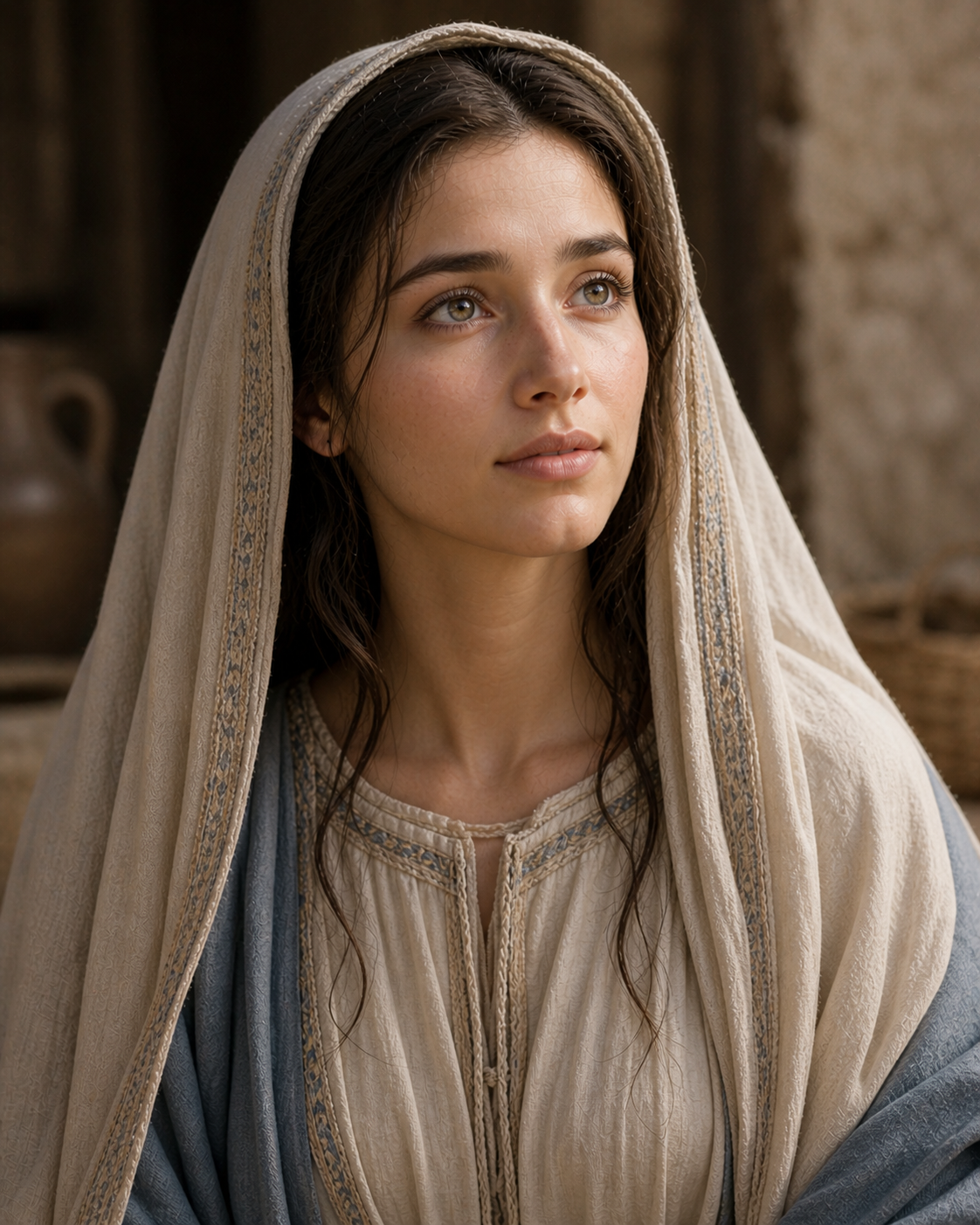
Miriam · Maryam · The Virgin
Davidic virgin of Nazareth; betrothed to Joseph. Conceived Jesus by the Holy Spirit. Sang the Magnificat. Pondered the events of Jesus' birth and ministry. Stood at the cross where Jesus committed her to John. Present in the upper room at Pentecost. Distinct from Mary Magdalene, Mary of Bethany, and Mary of Clopas.
Father of Jacob and grandfather of Joseph the husband of Mary, per Matthew 1:15.
Father of Heli per Luke 3:24 (or grandfather depending on textual variant); intertestamental Davidic ancestor of Mary.
Son of Chelub; father of Eshton in the Judahite genealogy.
Brother of Othniel in some MT manuscripts; father of Ophrah in the Judahite genealogy of 1 Chronicles 4:13-14.
Judahite who married Bithiah daughter of Pharaoh; their children were Miriam, Shammai, and Ishbah father of Eshtemoa (1 Chronicles 4:17-18).
Mishael
Friend of Daniel; preserved in the fiery furnace.
Father of Pethahiah the king's representative (Nehemiah 11:24). Likely same as Meshezabel ancestor of the wall builder Meshullam (Nehemiah 3:4).
Eldest son of Zerubbabel; brother of Hananiah.
Of Moresheth in Judah; contemporary of Isaiah ca. 740–700 BC. Foretold Jerusalem's destruction (cited in Jer 26:18 to save Jeremiah's life) and the birth of the Messiah at Bethlehem (Micah 5:2). Distinct from many other Micahs.
Prince of Judah teaching under Jehoshaphat (2 Chronicles 17:7). Distinct from Micaiah son of Imlah the prophet.
Son of Jehoshaphat, killed by his brother Jehoram (2 Chronicles 21:2,4).
Daughter of Mered and (likely) Bithiah, listed in the Judahite genealogy. Distinct from Miriam sister of Moses.
Son of Abishur and Abihail in the Jerahmeelite genealogy of Judah (1 Chronicles 2:29).
Son of Caleb son of Jephunneh; brother of Iru and Elah.
Wife of Ashhur father of Tekoa; mother of Ahuzzam, Hepher, Temeni, and Haahashtari.
Wealthy Calebite of Carmel; refused David's men provisions during the wilderness years. Struck down by Yahweh ten days after Abigail's intervention.
Judahite whose sister was wife of Hodiah; thus brother-in-law of Hodiah (1 Chronicles 4:19).
Son of Amminadab; prince of the tribe of Judah during the wilderness wandering. Brother-in-law of Aaron through his sister Elisheba. Father of Salmon.
Mara
Bethlehemite woman, wife of Elimelech; lost her husband and both sons in Moab and returned bitter (calling herself Mara, 'bitter') with her Moabite daughter-in-law Ruth. Engineered Ruth's marriage to Boaz.
Davidic descendant; father of Elioenai, Hizkiah, and Azrikam.
Son of Jeconiah king of Judah.
Son of David born in Jerusalem (2 Samuel 5:15; 1 Chronicles 3:7; 1 Chronicles 14:6). Distinct from Nepheg son of Izhar of Levi.
Fourth son of Jesse.
Prince of Judah teaching under Jehoshaphat (2 Chronicles 17:7). Distinct from Nethanel son of Zuar and Nethanel son of Jesse.
Son of David born in Jerusalem (1 Chronicles 3:7; 1 Chronicles 14:6); not listed in the parallel 2 Samuel 5:14-16.
Davidic descendant in the post-exilic genealogy of 1 Chronicles 3:21. Distinct from Obadiah the prophet.
One of five princes Jehoshaphat sent to teach the law in Judah (2 Chronicles 17:7). Distinct from Obadiah the prophet, Obadiah of Ahab, and other Obadiahs.
Son of Boaz and Ruth; father of Jesse and grandfather of David. Distinct from other figures of the same name.
Father of Azariah, one of Jehoiada's captains (2 Chronicles 23:1). Distinct from Obed son of Boaz, Obed of Jerahmeel, and Obed of Ephlal.
Son of Zerubbabel listed in 1 Chronicles 3:20.
Grandfather of Uthai in 1 Chronicles 9:4. Distinct from Omri king of Israel, Omri the Issacharite, and Omri of Benjamin.
Second son of Judah; refused to perform the levirate duty for his deceased brother Er and was killed by Yahweh for spilling his seed on the ground.
Son of Meonothai. Distinct from the city of Ophrah in Manasseh associated with Gideon.
Son of Kenaz, younger brother (or nephew) of Caleb; first judge of Israel. Captured Kiriath-sepher and married Caleb's daughter Achsah. Delivered Israel from Cushan-rishathaim of Aram-naharaim. The land had rest forty years.
Sixth son of Jesse.
Son of Jeconiah; per 1 Chronicles 3:19, biological father of Zerubbabel (whom Shealtiel raised as his own).
Davidic descendant in 1 Chronicles 3:24.
Davidic descendant of Zerubbabel through Hananiah.
Judahite of the Hur line; father of Gedor (a town in southern Judah). Distinct from Penuel son of Shashak and the place Penuel of Genesis 32.
Pharez · Phares
Twin son of Judah and Tamar; ancestor of David and through him of Christ. Named because he 'broke through' (his brother Zerah had put out a hand first but Perez was born first).
Of the descendants of Zerah son of Judah; the king's representative in all matters concerning the people (Nehemiah 11:24).
Fifth son of Jesse.
Aram (Matthew 1:3 Greek) · Arni (some Lukan manuscripts)
Son of Hezron, father of Amminadab; ancestor of David and Christ. Distinct from other figures named Ram (e.g. brother of Jerahmeel).
Haroeh
Judahite descendant of Hur; called Haroeh in 1 Chronicles 2:52.
First-named of the six sons of Jahdai in the Calebite genealogy of Judah (1 Chronicles 2:47).
Son of Solomon and Naamah; king of Judah ca. 931–913 BC. Rejected the elders' counsel to lighten the tax burden, prompting the secession of the ten northern tribes under Jeroboam. Reigned seventeen years in Jerusalem.
Davidic descendant in the post-exilic genealogy of 1 Chronicles 3:21.
Son of Shimon.
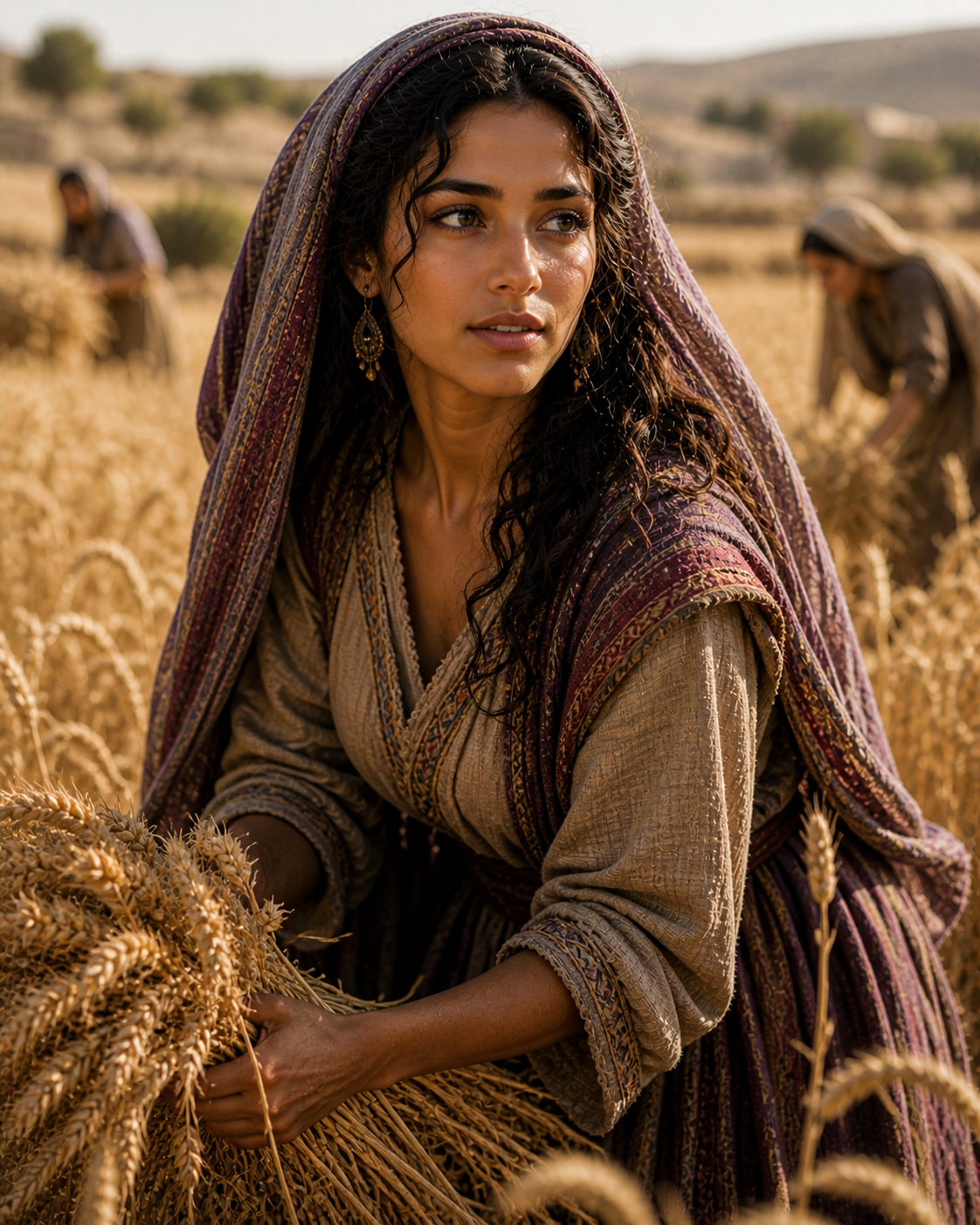
Moabite widow of Mahlon; refused to leave Naomi ('whither thou goest, I will go'). Married Boaz under the levirate principle and bore Obed, grandfather of David. Named in Matthew 1:5.
Salma · Sala (Luke 3:32)
Son of Nahshon; husband of Rahab the Canaanite (per Matthew 1:5) and father of Boaz. Lived during the conquest of Canaan.
Of the Shelanites; ruled in Moab and returned to Lehem (1 Chronicles 4:22, with text uncertain).
Son of Hezron by his late-life wife (the daughter of Machir of Manasseh); father of Jair the Gileadite who took twenty-three towns in Gilead.
Son of Kenaz; brother of Othniel; father of Joab the founder of Ge-harashim, the Valley of Craftsmen.
Calebite, son of Caleb son of Hezron by his concubine Maacah; named as the father of Madmannah (1 Chronicles 2:49). Distinct from Shaaph son of Jahdai (1 Chr 2:47).
One of the six sons of Jahdai in the Calebite genealogy of Judah (1 Chronicles 2:47).
Hananiah
Of royal Judahite line; deported with Daniel. Renamed Shadrach by the Babylonians. Refused to worship Nebuchadnezzar's image and was preserved with Meshach and Abednego in the fiery furnace.
Son of Miriam (or of Bithiah), in the Judahite genealogy of 1 Chronicles 4:17. Distinct from Shammai son of Onam and Shammai of Caleb.
Davidic descendant in 1 Chronicles 3:22.
Salathiel
Son of Jehoiachin (Jeconiah) per Matthew 1:12 and 1 Chronicles 3:17; father (or adoptive father) of Zerubbabel. The link between the pre-exilic and post-exilic Davidic line.
Davidic descendant in the post-exilic genealogy of 1 Chronicles 3:21-22.
Third son of Judah by the daughter of Shua; founder of the Shelanite clan. Distinct from the postdiluvian patriarch Shelah son of Arphaxad.
Daughter of Rehoboam by Maacah daughter of Absalom (2 Chronicles 11:20). Distinct from Shelomith daughter of Zerubbabel and Shelomith son of Josiphiah.
Sister of Meshullam and Hananiah; the only daughter of Zerubbabel named in scripture.
Davidic descendant in 1 Chronicles 3:22; father of six sons (Hattush, Igal, Bariah, Neariah, Shaphat).
Son of Rehoboam by Mahalath (2 Chronicles 11:19).
Son of Jeconiah; sometimes identified with Sheshbazzar prince of Judah (Ezra 1:8) who first led the return.
Son of Jehoshaphat, killed by his brother Jehoram (2 Chronicles 21:2,4).
Ancestor of Athaiah (Nehemiah 11:4).
Descendant of Jerahmeel through Onam → Shammai → Nadab → Appaim → Ishi. Had no sons but only daughters. Gave a daughter as wife to his Egyptian servant Jarha.
Prince of Judah appointed governor by Cyrus; brought back the temple vessels and laid the foundation of the second temple. Many identify him with Shenazzar son of Jeconiah (1 Chronicles 3:18); some treat him as a separate figure or as another name for Zerubbabel.
Calebite, son of Caleb son of Hezron by his concubine Maacah, named as the father of Machbenah and the father of Gibea (1 Chronicles 2:49).
Shammah (1 Sam 16:9) · Shimei · Shimeah
Third son of Jesse; father of Jonadab and Jonathan. Distinct from Shammah the Hararite, one of David's mighty men.
Father of Amnon, Rinnah, Ben-hanan, and Tilon in the Judahite list (1 Chronicles 4:20). Distinct from Simeon son of Jacob and Simeon the Cyrenian.
Son of Caleb son of Hezron by Azubah. Distinct from Shobab son of David (2 Samuel 5:14).
Judahite of the Calebite line; father of Reaiah; ancestor of inhabitants of Kiriath-jearim. Distinct from Shobal son of Seir.
Brother of Jesus, named in Matthew 13:55 and Mark 6:3. Distinct from the apostles Simon Peter and Simon the Zealot.
Son of Eleasah and father of Shallum in the Jerahmeelite genealogy of Judah, by the Egyptian servant Jarha (1 Chronicles 2:40).
Unnamed Judahite woman, sister of Naham and wife of Hodiah (1 Chronicles 4:19); mother of Keilah the Garmite and Eshtemoa the Maacathite.
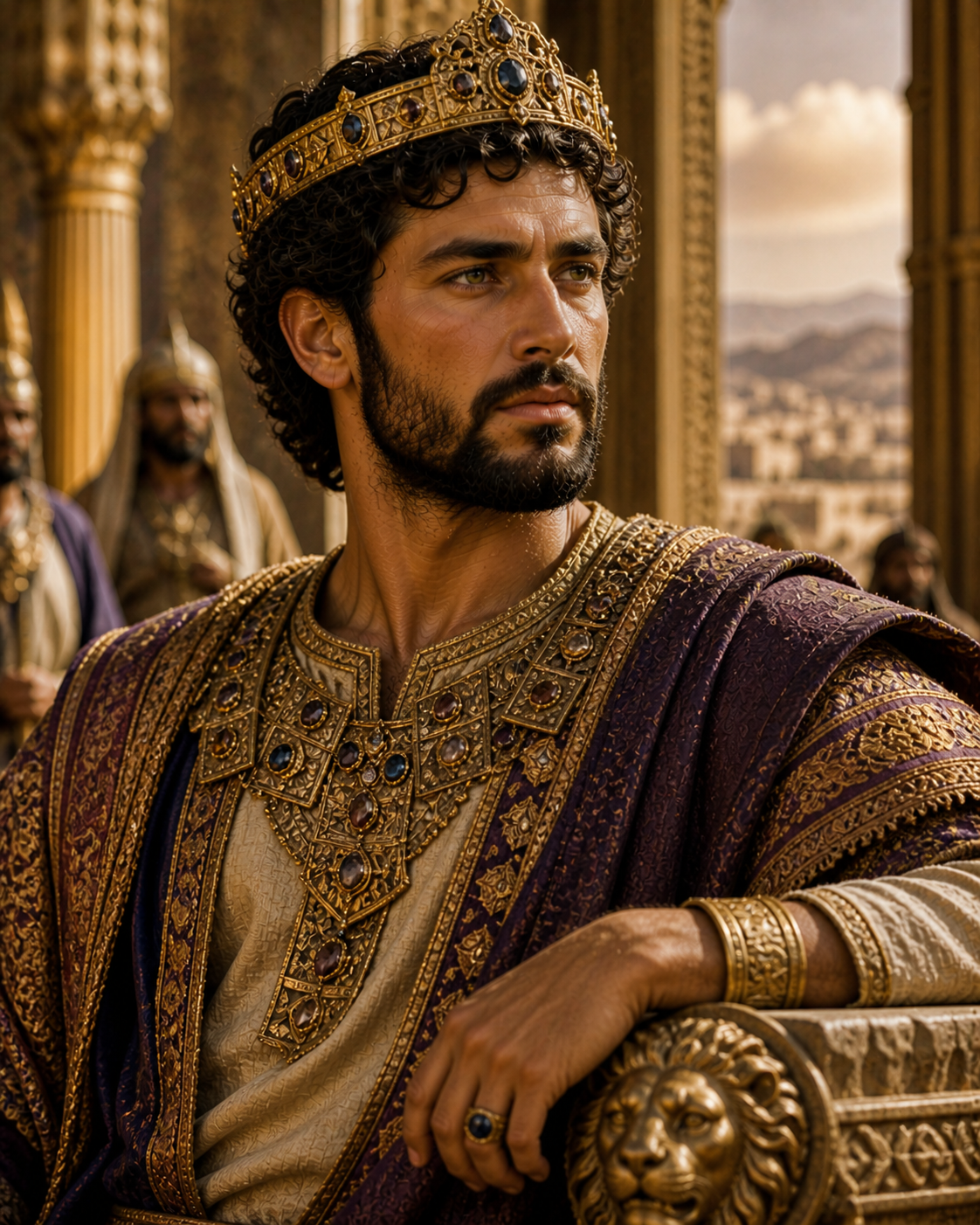
Shlomo · Jedidiah
Son of David and Bathsheba; reigned forty years over the united kingdom. Asked Yahweh for wisdom and was given riches and fame as well. Built the first Jerusalem temple. Author of Proverbs (much), Ecclesiastes (per tradition), and Song of Songs. His many foreign wives turned his heart in old age, leading to the prophesied division of the kingdom under his son Rehoboam.
Widow of Er and Onan; denied the levirate marriage to Shelah, she disguised herself as a prostitute and conceived twins by her father-in-law Judah. Mother of Perez, through whom David and Christ descend. Named in Matthew 1:3.
Daughter of Solomon; wife of Ben-abinadab the Solomonic district officer of Naphath-dor.
Son of Hebron in the Calebite genealogy of Judah (1 Chronicles 2:43).
Son of Eshton; father of Ir-nahash, called the 'father of the city of Nahash.'
Son of Ashhur and Naarah.
Son of Shimon.
Son of Caleb's concubine Maacah in the Calebite genealogy of Judah (1 Chronicles 2:48).
Son of Jehallelel.
Son of Hur; father of Bezalel.
Of the sons of Perez son of Judah; named first among the Judahites who returned to Jerusalem (1 Chronicles 9:4). Distinct from Uthai son of Bigvai of Ezra 8:14.
Azariah
Son of Amaziah; king of Judah ca. 792–740 BC (long co-regency with father). One of Judah's most successful kings: defeated Philistines, Arabs, and Ammonites; rebuilt cities; strengthened the army. Struck with leprosy after presuming to burn incense in the temple; co-regent with his son Jotham thereafter. Year of his death is the year of Isaiah's vision (Isaiah 6).
Father of Athaiah (Nehemiah 11:4).
Mighty man of David (1 Chronicles 11:41). Distinct from Zabad of Ephraim and Zabad of Pahath-moab who married a foreign wife.
Zimri (1 Chronicles 2:6)
Son of Zerah (per Joshua 7:1) and father of Carmi; grandfather of Achan. Listed as Zimri in 1 Chronicles 2:6 (textual variant). Distinct from king Zimri of Israel and from Zimri son of Salu.
Zimri (1 Chronicles 2:6)
Grandfather of Achan; son of Zerah son of Judah.
Son of Rehoboam by Mahalath (2 Chronicles 11:19).
Prince of Judah teaching under Jehoshaphat (2 Chronicles 17:7). Distinct from Zechariah son of Jehoiada, Zechariah son of Berechiah, and the prophet.
Ancestor in the Shilonite line of Maaseiah (Nehemiah 11:5).
Grandfather of Athaiah (Nehemiah 11:4).
Son of Jehoshaphat, killed by his brother Jehoram (2 Chronicles 21:2,4).
Mattaniah · Zidkijah
Son of Josiah, uncle of Jehoiachin; last king of Judah, installed by Nebuchadnezzar 597–586 BC. Rebelled in his ninth year; Jerusalem fell on the ninth of Av 586 BC. His sons were killed before his eyes; he was blinded and taken to Babylon where he died.
Great-great-grandson of Hezekiah; prophesied under Josiah ca. 640–620 BC. Theme: the day of Yahweh.
Twin son of Judah and Tamar; father of five named sons. The Zerahite clan. Distinct from Zerah son of Reuel the Edomite.
Son of Ashhur and Helah.
Son of Shealtiel (or of Pedaiah per 1 Chr 3:19); Davidic governor of Judah after the return from Babylon under Cyrus 538 BC. Led the rebuilding of the second temple, completed in 516 BC. Recipient of the signet-ring oracle of Haggai 2:23. Appears in both Matthean and Lukan genealogies.
Sister (or half-sister) of David; mother of Joab, Abishai, and Asahel.
Father of Amasiah, captain who willingly offered himself to the LORD under Jehoshaphat (2 Chronicles 17:16).
Father of Elishaphat, one of Jehoiada's captains (2 Chronicles 23:1). Distinct from other Zichris.
Son of Jehallelel in 1 Chronicles 4:16. Distinct from the Ziphite city.
Son of Jehallelel in the Judahite genealogy.
Son of Rehoboam by Maacah daughter of Absalom (2 Chronicles 11:20). Distinct from Ziza the Simeonite chief.
Son of Coz of Judah.
Son of Ishi in the Judahite list.
Curation status: Primeval (Genesis 1–11), patriarchs (Genesis 12–50), Exodus/Numbers, Joshua/Judges/Ruth, the united and divided monarchies (Saul, David, all kings of Judah and Israel), the writing prophets, post-exilic figures (Zerubbabel, Ezra, Nehemiah, Esther), the Holy Family, John the Baptist, the Twelve, and the early apostolic generation are all in. 2,781figures curated so far. The remaining named biblical figures (priestly genealogies in 1 Chronicles, the post-exile lists in Ezra/Nehemiah, the obscure persons in Acts and the epistles) are pending. Every claim is rigorously sourced; gaps mean “not yet curated”, not “not in scripture”.